

How to get around Rio de Janeiro: A guide to public transportation
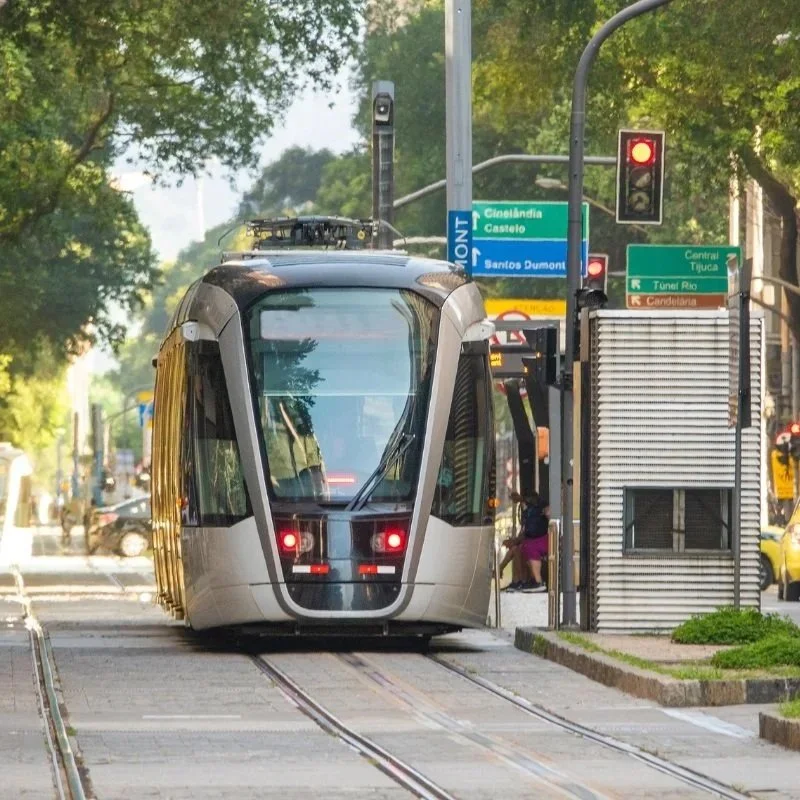
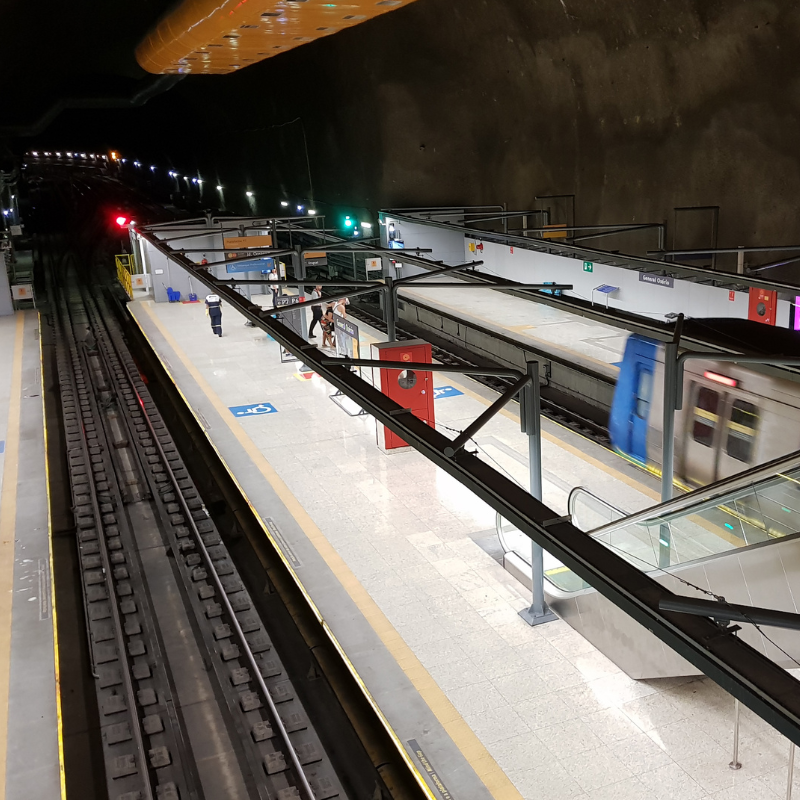

Public transportation in Rio de Janeiro is easier than most visitors expect, but only if you know which options are actually worth using. The metro is fast, safe, and connects the main tourist areas. The VLT covers downtown and the port zone. Buses reach everywhere else, but take some local knowledge to navigate.
This guide covers how to get around Rio de Janeiro using public transport: which card or app you need, how much everything costs and when each option runs. If you already know you'll use the metro and want to know which station to get off at for each attraction, my Rio de Janeiro metro stations guide maps it all out.
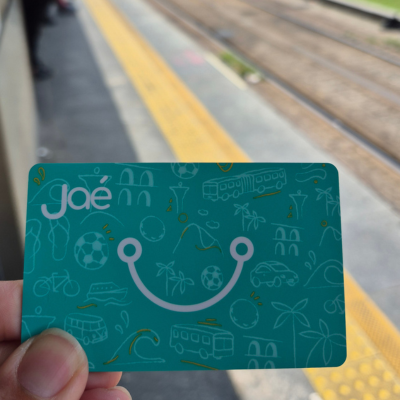
One thing worth knowing before you start: Rio recently introduced Jaé, a new payment system that replaced the old RioCard for most services. If you plan to use the VLT, you'll need Jaé (app or physical card) or a Riocard Mais.
Already know what you're looking for?
Should I use metro or bus in Rio? What’s easier for visitors
Rio’s public transport system includes several options, such as buses, metro, light rail (VLT), commuter trains, BRT corridors, and ferries (barcas).
However, most visitors will only use two of them: the metro and the VLT. These are the easiest and most tourist-friendly ways to get around the city, especially if it’s your first time in Rio.
While buses reach almost every corner of the city, they can be confusing if you’re not familiar with the system. Routes are identified mainly by numbers rather than destinations, stops aren’t always clearly marked, and it’s not always obvious where to get on or off.
By contrast, the metro and VLT run on fixed lines with clear maps, station names, and signage in major areas. If you’ve used subways or trams in other cities, you’ll feel right at home in Rio.
For that reason, this guide focuses mainly on how visitors can use the metro and VLT, which cover many of Rio’s main tourist areas. The metro accepts contactless credit and debit cards, so you can simply tap your card at the turnstiles.
The VLT requires a transport card or app, such as Jaé or Riocard Mais.
In simple terms: if you plan to use the VLT, you’ll need Jaé, I explain all about it later in this post. If you only plan to use the metro, you can simply tap your credit or debit card.
Is public transport safe in Rio de Janeiro?
Yes, the metro is one of the safest ways to get around the city. Trains are monitored, well-lit, and used daily by locals and tourists alike. You'll see most passengers on their phones or even laptops, it's that kind of environment. During rush hour, women-only cars are available on the main lines and clearly marked at the front of the train.
The general rule across all public transport: keep valuables out of sight, stay aware of your surroundings, and you'll be fine.
For a broader picture of safety in Rio from beaches, nightlife, neighborhoods, and what to actually watch out for, see the complete safety guide for travelers in Rio de Janeiro.
Paying for public transport in Rio: contactless payments vs. Riocard Mais or Jaé
Contactless payment (metro only)
Rio’s metro accepts contactless payments, meaning you can simply tap your credit or debit card (Visa or Mastercard) at the turnstiles.
To enter the metro, tap your card directly on the reader at the station entrance gate. The fare is charged immediately, and the turnstile will open. Unlike in some other cities, you only tap when entering the station. There is no validation when exiting the metro.
This is the easiest option if:
You mainly plan to use the metro
You’re staying for a short time
You want to avoid transport cards entirely
How much does the metro cost in Rio?
A single ride on the Rio metro currently costs R$7.90.
Jaé (Rio’s new digital transport card)
Jaé is a new public transport payment system introduced by Rio’s city government. It can be used through a mobile app or with a physical card, and is accepted on several transport services across the city, including VLT (downtown light rail), city buses, BRT (from GIG airport) and also the metro.
How much does Jaé cost?
The physical Jaé card costs R$5, and you’ll need to add credit before using it.
How can I get a Jaé card
Download the Jaé app and add credit digitally or
Buy a physical card at selected metro and VLT stations or transport kiosks
How to validate your ride on the VLT
Unlike the metro, the VLT does not have turnstiles. You must validate your ride after boarding the train.
Inside each VLT car you’ll find two types of validators: Riocard machines and Jaé machines. If you’re using Jaé, make sure to tap your card or phone on the Jaé validator, not the Riocard one.
Inspectors occasionally check tickets on the VLT, so always validate your ride after boarding.
RioCard Mais (Works everywhere)
The Riocard Mais is still the most universal option and works across almost all public transport in Rio including metro, VLT (downtown light rail), Buses, BRT, Trains and Barcas (ferries).
While Rio has introduced a new system called Jaé, the Riocard Mais is still widely accepted, making it a convenient option if you plan to use multiple types of public transport.
Riocard Mais is useful if:
You plan to use buses frequently
You want one card that works across different transport systems
You prefer using a physical card instead of an app
Where to buyRiocard Mais
Available at metro and VLT stations, select bus terminals, RioCard service kiosks, and online via the official site
Riocard Mais costs and how to recharge it
You’ll pay around R$4 card fee plus a minimum load (approx. R$4) to activate it. To top up, it can be done at station machines, kiosks, or through the Riocard Mais app or website.
How to use RioCard Mais
On the metro, tap the card at the turnstile when entering the station.
On buses and BRT, tap the validator when boarding.
On the VLT, tap the validator inside the train after boarding.
Which transportation card should you use? RioCard Mais or Jaé?
Short stay + metro only → use contactless payment
Simply tap your credit or debit card at the metro turnstiles.Planning to use the VLT → use Jaé (app or card) or RioCard
The VLT does not accept contactless payments.Using buses frequently or multiple transport systems
Consider getting a Riocard Mais.
Either way, moving around Rio is now much simpler than it used to be, especially for visitors staying in areas like Copacabana, Ipanema, and downtown, where the metro and VLT cover many major attractions.
Now that you know how to pay, let’s take a closer look at how the metro system works and which lines are most useful for travelers. If you’re short on time, the key things to know are how to pay, peak hours, and which stations you’ll actually use.
Rio de Janeiro metro guide: safety, schedules, and peak hours
The metro is one of the fastest and safest ways to get around Rio de Janeiro especially during rush hour, when the city’s traffic can slow everything to a crawl. While you won’t get scenic views like you would from a bus or taxi, you’ll save time and avoid the stress of jammed roads.
Trains run frequently and are generally clean and safe, even for solo travelers. Just be aware that during peak hours (around 7–9am and 5–7pm), cars can get very crowded. For added safety and comfort, especially for women, there are women-only cars ("carro exclusivo para mulheres") available on the main lines during rush hour — they’re clearly marked and located at the front of the train. If you're traveling alone, my guide to Rio de Janeiro for solo female travelers covers more tips for getting around the city with confidence.
Rio’s metro operating hours
Rio’s metro runs daily, but opening hours vary slightly depending on the day of the week:
Monday to Saturday: 5:00 AM – 12:00 AM (midnight)
Sundays and public holidays: 7:00 AM – 11:00 PM
During major events operating hours are often extended to handle the increased demand. This makes it easier (and usually safer) to get around without relying on cars or ride-hailing apps.
Planning to visit during one of these events? Transport works differently and knowing what to expect in advance makes a real difference:
New Year's Eve in Copacabana — special metro tickets, crowd flow and how to get back after midnight
Rio Carnival — extended hours, which stations get overwhelmed and the best routes
Copacabana beach concerts — how to get there, where to exit and what to avoid
On New Year’s Eve specifically, the metro operates under a special ticket system. To travel during the reserved late-night hours, passengers must purchase a dedicated New Year’s Eve metro ticket, available in advance through the official metro app. These tickets are valid for specific time slots and help control crowd flow, so buying ahead is essential if you plan on accommodation outside Copacabana area.
Which metro station should you use in Rio de Janeiro?
Rio's metro is one of the easiest ways to explore the city, but not every attraction is directly served by a station. Some are just a short walk away, while others are best reached by combining the metro with an Uber, VLT or the official Corcovado van.
To make planning easier, I've put together a complete guide showing which station to use for Rio's top beaches, attractions, museums, nightlife spots and more.
How to get around Rio? Final tips before you go
Metro for the South Zone and Downtown. It's the fastest and safest way to move between Ipanema, Copacabana, Botafogo and the Centro, and you can tap in with a contactless card.
VLT for Downtown sightseeing. It connects the Olympic Boulevard, the museums and the historic center without the traffic.
Uber at night and to places the metro doesn't reach, like Santa Teresa, Jardim Botânico, Lagoa and around Barra da Tijuca
Avoid rush hour on weekdays, early morning and late afternoon, when trains and buses get packed.
Keep your phone in hand only when you need it. On the street and near bus or car windows, put it away between uses.
For a broader picture of safety on your trip, see my honest guide to safety in Rio. And if you're still organizing everything, this guide will help you put it all together before you arrive → Plan your trip to Rio de Janeiro
FAQ: Public Transport in Rio de Janeiro
Can I take the metro from Rio de Janeiro airport?
If you land at Galeão International Airport (GIG), there is no direct metro connection. Reaching the metro using public transport requires combining BRT, VLT, and metro, depending on where you're staying. If you land at Santos Dumont Airport (SDU), you can easily reach the metro using the VLT (light rail), which connects the airport to Carioca station, one of Rio’s main metro hubs.
For a step-by-step guide, see How to get from Rio airports to Copacabana and Ipanema.
Can I use Jaé or Riocard on the Santa Teresa tram?
No. The historic Santa Teresa tram (bondinho) operates separately from the rest of Rio’s public transport system. Tickets must be purchased at the Carioca station ticket office, and you can pay using cash, credit or debit card. For what to see once you're up there and other ways to get there, see my guide on things to do in Santa Teresa.
How much does public transport cost in Rio de Janeiro?
A single ride costs R$7.90 on the metro and R$5.00 on city buses, BRT and the VLT (2026 fares). What matters more than the price is how you pay, because each system works a little differently. The metro takes contactless cards at the gates, while the VLT and buses run on Jaé or Riocard Mais, which I explain in the payment section above.
For most visitors, a day of sightseeing on the metro costs less than a single Uber across the city at rush hour. Fares are usually adjusted at the start of each year, so check before your trip. The metro price is frozen until December 2026, but may change in 2027.
Can I use a credit or debit card on Rio’s metro?
Yes. You can tap a contactless Visa, Mastercard or Elo card directly at the gates, no ticket needed. Apple Pay, Google Pay and smartwatches work too, so your phone is enough. Each traveler needs their own card or device, since one tap covers one fare. Contactless payment only works on the metro, not on the VLT or buses. For those, see the section on Jaé above.
Is Uber better than public transport in Rio?
It depends on where and when you're going. The metro wins between the South Zone and Downtown (Ipanema, Copacabana, Botafogo, Centro), especially at rush hour, when traffic can double a 20-minute ride. Uber wins for places the metro doesn't reach, like Santa Teresa, Jardim Botânico, Urca and for getting back late at night.
Two exceptions worth knowing: when it rains, surge pricing kicks in and cars get hard to find, and during big events like Carnival and New Year's Eve, road closures make the metro the only realistic way to move. Most visitors end up using a mix of both, and that's exactly what I'd do.
How much money should I add to my transport card?
If you plan to use public transport during your stay, it’s a good idea to add enough credit for a few rides in advance. As a reference, four metro rides and four VLT rides would cost R$52 (around $10).
That’s usually enough credit for a couple of days of occasional public transport use, especially if you combine it with walking or ride-hailing apps like Uber. If you run out of credit, you can easily top up using the Jaé app, the Riocard app, or machines at metro stations.
Can I buy a transport card at Rio’s bus station?
Yes. If you arrive in Rio by bus at Novo Rio Bus Terminal, you can usually find kiosks or service points where Riocard Mais cards are sold.
Alternatively, you can download the Jaé app and add credit digitally, which allows you to use the system without purchasing a physical card.


Still unsure which route works best for you? Or want help planning the rest of your time in Rio? Explore my personalized travel services and plan your Rio trip with local insights, safe routes, and stress-free logistics.

Which airport to fly into, which airlines run direct from your city, and when to book before prices climb. The real logistics of getting to Rio, from someone who's booked this route more times than she can count.