

Best neighborhoods in Rio de Janeiro: Where to stay for first-time visitors

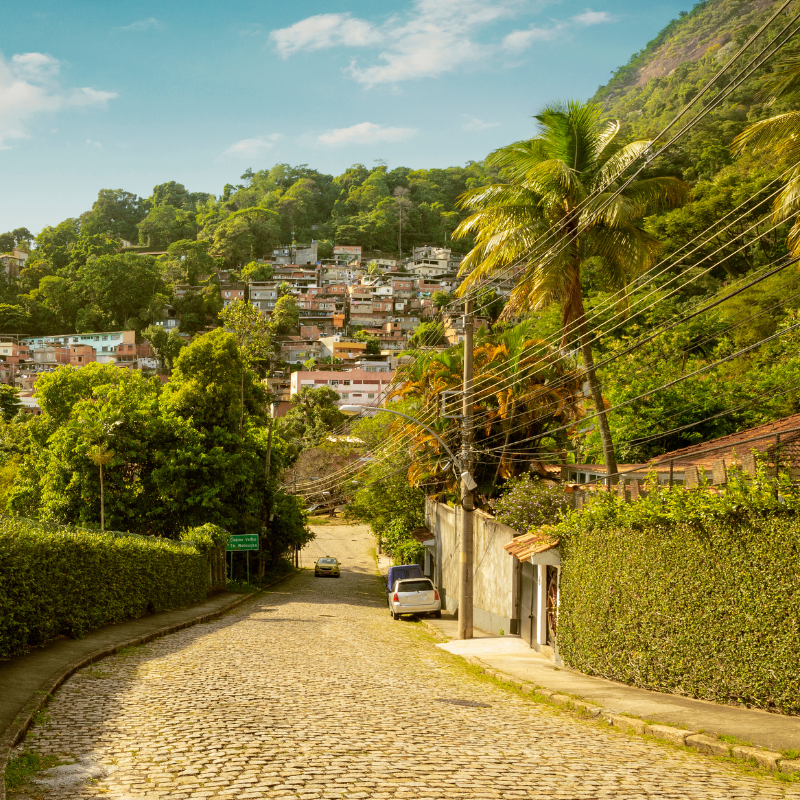


To understand what are the best neighbourhoods in Rio de Janeiro for tourists, we need to talk about geography first.
South Zone is what you'll hear the most, it's home to Christ the Redeemer, Sugarloaf, and most of the well-known beaches. Downtown and Lapa work as a solid base too, but they lean toward specific interests (history, nightlife) rather than beach-and-sightseeing convenience. And then there's Southwest Zone, represented here by Barra da Tijuca, more residential, more spread out, a different pace altogether.
So, what's the best part of Rio de Janeiro to stay? If you want the iconic Rio vibes, Ipanema and Copacabana are the neighborhoods I genuinely recommend. Those offer the best combo of beach time and sightseeing convenience. Botafogo is another smart, more budget-friendly base if you're more into exploring than morning swims.
This guide breaks down the main neighborhoods worth considering, with honest pros and cons to make the decision easier. If you're traveling during Carnival, New Year's Eve, or other big events, this changes a little. Scroll down to find the dedicated section for events in this guide.
If you are looking for something further off the beaten path, I wrote a guide to the best alternative areas to stay in Rio de Janeiro, covering neighborhoods like Urca, Joá, and Cosme Velho. And if you traveling on a budget, I curated a guide with the best hostels and cheap hotels in Rio de Janeiro.
This post contains affiliate links. If you book through our links, we may earn a small commission at no extra cost to you.
Best neighborhoods in Rio de Janeiro at a glance
Short on time? Here’s a short description of each area:
Copacabana – Best for first-time visitors who want classic beach, metro access, and easy connections to main attractions.
Ipanema – Ideal for stylish travelers looking for great restaurants, and a walkable upscale atmosphere.
Leblon – Perfect for families and travelers seeking comfort, structure, and a quieter beach environment.
Botafogo – Smart choice for location and value, with metro access, lively night, and easy movement between beaches and downtown.
Flamengo and Glória – A practical base between Downtown and the South Zone, with great value hotels, and a prime location for Carnival.
Santa Teresa – Best for couples and creatives who want charm, views, and a bohemian atmosphere.
Lapa – Best for nightlife lovers who want to stay near samba clubs, live music, and Rio's most energetic bar scene.
Centro (Downtown) – Great for culture lovers and budget-conscious travelers focused on museums and architecture.
Barra da Tijuca – Ideal for long stays, modern apartments, wide beaches, and a more spacious, relaxed vibe.

Quick pick: My recommended hotels to stay in Rio
Grand Mercure Rio Copacabana ⭐⭐⭐⭐⭐
Beachfront with easy metro access and a comfortable stay for first-time visitors.
From $180/night
Hotel Arpoador ⭐⭐⭐⭐
Right on Ipanema's most walkable corner with the best sunset views in the city.
From $300/night
Novotel Praia de Botafogo ⭐⭐⭐⭐
A budget-friendly base in Botafogo with great views and metro access.
From $150/night
Best neighborhoods to stay in Rio de Janeiro
Copacabana
Copacabana is probably the most recommended place to stay in Rio de Janeiro, and there's a reason for that: you're steps from the iconic beach, spoiled for choice on hotels, and close enough to the city's main landmarks, either by public transport or shared-ride. It's Rio at its most classic, a little touristy, sure, but it earns that reputation.
If you're visiting for New Year's Eve or one of the mega beach concerts, Copacabana isn't just convenient, it's where the party actually happens, and you'll want to be in the middle of it. For Carnival, it's a solid choice too.
Worth knowing: Copacabana is a long stretch of beachfront, and which part you land on makes a real difference. Posto 2 and Posto 6, for example, have noticeably different vibes and safety profiles. I break it down block by block in the complete Copacabana guide.
My favorite hotel in Copacabana
Emiliano Rio
Emiliano is located near Posto 6, my top pick for the neighborhood and it combines contemporary design, outstanding service, and a beautiful rooftop pool. If your budget allows, it's hard to beat for a first visit to the city.
Ipanema
Ipanema is constantly ranked as the best neighborhood to stay in Rio de Janeiro and, for many travelers, the one that leaves the strongest impression. You will be steps from one of the best beaches in the world, in a refined atmosphere that feels distinctly different from the bustle of Copacabana.
The area combines a residential feel with easy access to the rest of the city via the metro. It is also considered one of the safest neighborhoods in Rio for tourists.
Worth knowing: Ipanema comes with a premium price tag. Hotels, vacation rentals, and restaurants are generally more expensive than in Copacabana or Botafogo. If you're traveling on a tighter budget, Copacabana offers similar beach access at a lower cost.
For the best hotels in Ipanema by category and budget, check the best hotels in Ipanema guide.
My favorite hotel in Ipanema
Arpoador Hotel
Set right by Arpoador Beach on a car-free promenade, the Arpoador Hotel offers the understated elegance that reflects Rio at its best: relaxed, sophisticated, and effortlessly stylish.
Leblon
Leblon is Rio's most exclusive residential neighborhood. Slightly more relaxed than Ipanema, it combines a safety environments with high-rated restaurants and beach. It's where many locals who can afford to choose, choose to live.
If you're looking for a calmer base without giving up easy access to Ipanema and Rio's main attractions, Leblon is a solid choice.
Coming in 2029: The first Four Seasons hotel in Rio de Janeiro is expected to open in Leblon. Once completed, it will become one of the city's most anticipated luxury hotels.
For a full guide on the best areas to stay and hotel recommendations, see our complete Leblon guide.
My favorite hotel in Leblon
Janeiro Hotel
My top hotel recommendation in Leblon overlooks the beach and perfectly captures the neighborhood's understated luxury. Contemporary design, exceptional service, and a relaxed atmosphere that feels distinctly carioca.
Botafogo
Botafogo is a smart choice if you're looking for good location without paying beachfront prices. It brings metro connection and a local atmosphere that many repeat visitors end up preferring.
The neighborhood is also the heart of Rio's South Zone nightlife. Streets like Arnaldo Quintela and Nelson Mandela are lined with acclaimed bars, botecos, and restaurants where cariocas gather after work and on weekends. To experience Rio beyond the beachfront, Botafogo is hard to beat.
Worth knowing: Botafogo Beach isn't suitable for swimming because of the waters of Guanabara Bay. The good news is that Copacabana and Ipanema are just a few metro stops away, while Aterro do Flamengo offers a beautiful waterfront park with a beach.
For a full breakdown of the safest streets, the best areas to stay, and detailed hotel recommendations, see our complete guide to where to stay in Botafogo.
My favorite hotel in Botafogo
Yoo2 Rio de Janeiro by Hilton
My top hotel recommendation in Botafogo overlooks the Bay and Sugarloaf Mountain. It combines views with contemporary design and a rooftop that's worth visiting even if you aren't staying there. Better yet, it usually costs considerably less than five-star hotels in Copacabana or Ipanema.
Flamengo e Glória
Flamengo and Glória are located between Downtown and the South Zone, with direct metro access and good hotel options. They're a practical alternative for travelers looking for better value than the beachfront neighborhoods.
The proximity to Aterro do Flamengo, with its walking and cycling paths, museums, and waterfront, is one of the area's biggest draws. Another is Carnival. Hotels here consistently record some of the city's highest occupancy rates during the festival thanks to the easy access to both the Sambadrome and blocos.
Worth knowing: While both neighborhoods are generally safe during the day and well connected, they don't offer the same lively atmosphere or tourist infrastructure as Copacabana or Ipanema. For most first-time visitors, they're better suited as a budget-friendly alternative than a first choice.
My favorite hotel in Flamengo & Glória
Windsor Florida Hotel
My top recommendation is a short walk from Flamengo metro station and Aterro do Flamengo. It offers comfortable rooms, reliable service, and one of the best value stays in Rio outside the beachfront neighborhoods.
Santa Teresa
Santa Teresa is unlike any other neighborhood in Rio and that's exactly the point.
Perched on a hill above the city center, this historic district is known for its cobblestone streets, colonial mansions, colorful ateliers, and a slower pace that feels worlds away from the beachfront.
If you're drawn to boutique hotels, local art, independent restaurants, and neighborhoods with real character, this is where Santa Teresa shines. I cover the best hotels, boutique stays, and hostels in my full guide to where to stay in Santa Teresa.
Worth knowing: Santa Teresa isn't the most practical base for sightseeing. The steep hills are part of the neighborhood's charm, but they also mean plenty of walking. If you plan to spend your days exploring every corner of Rio, another neighborhood may be more convenient. If you're looking for atmosphere over convenience, few places compare.
My favorite hotel in Santa Teresa
Santa Teresa Hotel - MGallery
My top hotel recommendation is housed in a historic coffee plantation, blending tropical gardens, design, and panoramic views with the sophistication that defines Santa Teresa. If you're looking for a romantic stay or a hotel with a true sense of place, this is as Rio as it gets.
Lapa
Lapa is Rio's historic nightlife district, where samba, live music, and centuries of history come together after dark.
Centered around the iconic Lapa Aqueduct, the neighborhood comes alive every evening with street bars, music venues, and an atmosphere that feels unmistakably carioca. If you want to spend your nights dancing samba, this is where Lapa stands apart.
Worth knowing: Lapa is very much a nighttime neighborhood. During the day, the streets are quieter, and the surrounding area requires more street awareness. Good hotel options are also more limited, although there is one standout choice that offers the comfort many international visitors look for.
For a full breakdown of the areas to stay and hotel recommendations, see our complete Downtown and Lapa guide.
My favorite hotel in Lapa
Vila Galé Rio de Janeiro
My top recommendation in Lapa is set inside a restored 19th-century mansion. It offers a peaceful retreat just a short walk from the neighborhood's main nightlife. Better yet, it's one of the few full-service hotels in the area and famous for its Saturday’s feijoadas.
Downtown: Rio de Janeiro historic center
Downtown Rio is the city's historic and cultural heart. As the oldest part of Rio, it's home to grand colonial and Belle Époque architecture, landmark museums, and streets that tell the story of the city's evolution long before Copacabana became world-famous.
Because it’s the city’s financial district, hotel rates often drop significantly on weekends and public holidays. If you're looking to save on accommodation without sacrificing public transport, it's a great value neighborhood.
Worth knowing: Once offices close, many streets become quiet, especially on weekends. On the upside, excellent metro, VLT, and bus connections make it easy to reach almost every part of the city.
For a full breakdown of the best areas to stay and hotel recommendations, see our complete Downtown and Lapa guide.
Barra da Tijuca
Barra da Tijuca feels like a different side of Rio wide beaches, modern high-rises, resort-style hotels, and a pace that appeals to travelers looking for space and comfort.
If you're planning a longer stay, traveling with family, attending Rock in Rio, or simply prefer modern neighborhoods over the city's historic districts, Barra can be an excellent fit.
Worth knowing: Barra isn't the most convenient base for exploring Rio's main attractions. Public transport is limited and you'll rely on Uber for most trips, with longer travel times than if you stayed in the South Zone. The trade-off is quieter beaches, newer hotels, and generally better value for the space you get.
Read our complete guide to staying in Barra da Tijuca for a full breakdown of the neighborhood zones, hotel by budget, transport, and what to do.
My favorite hotel in Barra da Tijuca
Grand Hyatt Rio de Janeiro
My top hotel recommendation is set along the quieter stretch of Reserva Beach, offering direct beach access, beach service, and the kind of resort facilities that are hard to find elsewhere in Rio.
Where to stay in Rio during Carnival, New Year's Eve and major events
Events like Carnival, New Year’s Eve, and Copacabana beach concerts completely change how the city works. Prices rise sharply, crowds grow, and getting around becomes significantly harder.
During these periods, choosing the right area is less about preference and more about logistics.
For Carnival, check our complete guide to where to stay in Rio during Carnival
For New Year’s Eve, check this NYE guide including the best alternatives
For Rock in Rio, this detailed guide to Rock in Rio shows the best places to stay
Practical tips for choosing where to stay in Rio de Janeiro
Stay close to a metro station if possible
Rio is a large city, and the metro makes getting around much easier. Copacabana, Ipanema, Botafogo, and Downtown all have convenient stations within walking distance of most hotels. Santa Teresa, Cosme Velho, and Barra da Tijuca rely much more on Uber, which adds both time and cost to your daily plans.
Match the neighborhood to your travel style
There's no single "best" neighborhood in Rio, only the one that fits your trip.
For first-time visitors: Copacabana or Ipanema
For families: Leblon or Barra da Tijuca
For nightlife: Lapa or Botafogo
For culture and history: Downtown or Santa Teresa
For something further off the beaten path: explore my guide to Rio's alternative neighborhoods, including Urca, Joá, Lagoa, and more.
Book early during major events
Rio changes dramatically during Carnival, New Year's Eve, and large events like Rock in Rio or the Copacabana concerts. Hotels sell out months in advance, prices rise sharply, and getting around becomes much more complicated. During these periods, choosing the right neighborhood is as much about logistics as it is about preference.
Frequently asked questions
Which are the safest neighborhoods to stay in Rio?
Ipanema, Leblon, Botafogo, and Copacabana are generally the safest choices for most visitors thanks to their strong tourist infrastructure, busy streets, and visible police presence. Barra da Tijuca also offers a comfortable environment, although it's farther from Rio's main attractions.
Which is the best neighborhood in Rio de Janeiro for first-time visitors?
Copacabana and Ipanema are the top picks for most first-time visitors as both put you steps from the beach, with easy metro access and the widest range of hotels. Copacabana tends to be more affordable and touristy, while Ipanema is more upscale and residential.
What's the cheapest neighborhood to stay in Rio de Janeiro?
Downtown, Lapa, and Flamengo/Glória typically offer the best value, especially outside beachfront areas. For an even tighter budget, check our guide to Rio's best hostels and cheap hotels.
Is it better to stay in Copacabana or Ipanema?
Copacabana is more budget-friendly, has a wider range of hotels, and puts you closer to major events. Ipanema is more upscale, safer on average, and known for its restaurant scene, but comes at a higher price. Neither is a wrong choice, it comes down to budget and the kind of trip you want.
Which Rio de Janeiro neighborhoods are walkable without a car or Uber?
Copacabana, Ipanema, Leblon, Botafogo, and Downtown all have metro stations and enough within walking distance to get by without relying on Uber constantly. Santa Teresa, Cosme Velho, and Barra da Tijuca are harder to explore on foot.
Are there any neighborhoods in Rio de Janeiro tourists should avoid?
Most South Zone neighborhoods covered in this guide are safe for tourists with normal precautions. Avoid staying in or near favelas unless you're on a guided tour, and always check current safety conditions for any area you're not familiar with.



A full day in Ipanema, from a sunrise most visitors miss to samba on the sand at sunset.