

Is Rio de Janeiro safe for tourists? A practical guide by a local
If you've searched "Is Rio de Janeiro safe?", you've probably come across dramatic headlines and government travel advisories. While those concerns shouldn't be ignored, they also don't tell the whole story.
I was born and raised in Rio de Janeiro and I've lived through both the headlines and the city behind them. If you're wondering whether Rio is safe to visit, this guide is based on the advice I give friends before they travel here, so they can enjoy the city with confidence, just as I do.
Millions of people live here, commute to work, go to the beach before sunrise, dance at samba parties, and enjoy everything Rio has to offer. Visitors can do the same once they understand a few local habits
The real question isn't whether Rio is completely safe. It's how to experience it the way locals do. By the end of this guide, you'll know which precautions actually matter, which ones are overblown, and how to enjoy Rio with confidence.

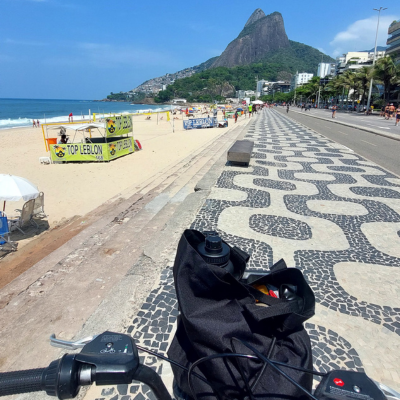
Copacabana Beach on a busy summer day
Is Rio de Janeiro safe for tourists?
Yes. Most tourists visit Rio de Janeiro without experiencing any serious problems. Like any major city, Rio requires some common sense, but there's no reason to let safety concerns stop you from visiting.
One reason Rio's reputation can be confusing is that tourists don't experience the city the same way crime statistics describe it. Most visitors spend almost all of their time in neighborhoods in the South Zone, where the main hotels and attractions are located and where there's a stronger police presence than in many other parts of the city. Crime statistics, however, cover the entire city, including areas most visitors will never see.
That doesn't mean you should let your guard down, even in places like Ipanema or Copacabana. It does mean that your experience as a visitor is very different from the picture painted by nationwide crime statistics.
As a local, I regularly spend time in Copacabana, Ipanema, Leblon and Urca. These are lively neighborhoods where people walk, exercise, dine outdoors and enjoy the beach throughout the day. I stay aware of my surroundings, avoid empty streets late at night and take an Uber when it makes sense. Following these same habits, these are places where I genuinely feel safe.
How to stay safe in Rio de Janeiro
Choose the right neighborhood for your plans
The single biggest decision you'll make for a safe and enjoyable trip is where you stay. Most first-time visitors stay in Copacabana, Ipanema, Botafogo or nearby neighborhoods in the South Zone. These areas are well connected, busy throughout the day and home to most of Rio's hotels, restaurants and attractions.
Choosing the right neighborhood means you'll spend less time on long commutes, rely less on unfamiliar areas and feel more comfortable exploring on foot.
Not sure where to stay? Check out my complete guide to the best neighborhoods in Rio de Janeiro to find the one that best matches your travel style.
Use your phone the way locals do
I use my phone all the time in Rio. The difference is that I'm mindful about when and where I use it. I don't stand in the middle of a busy sidewalk scrolling through Instagram or texting. If I need a few minutes to check directions or call an Uber, I'll step into a café, a shop or somewhere with people around.
Keep valuables to a minimum
You don't need to dress differently or hide your camera. Rio is full of tourists, especially around the main attractions. What I do avoid is displaying expensive jewelry, leaving my phone in my hand when I'm not using it or carrying more valuables than I need.
Leave your passport, extra cash in your hotel safe, and only carry what you need for the day. I usually bring one credit card, a small amount of cash and my phone.
Choose a practical bag
I usually carry a small crossbody bag worn across my body rather than over one shoulder. It's comfortable, keeps my hands free and is much harder to grab than a loose handbag or backpack. Keep it zipped and close to your body, especially in crowded places.
If you're wondering what else is worth bringing (and what you can leave at home), check out my guide on What to Pack for Rio de Janeiro.
Trust your instincts
If a street feels unusually empty, call an Uber instead of walking. If you're unsure whether a route is a good idea, ask your hotel receptionist or someone at the restaurant you're in. And if a bar or situation doesn't feel right, don't hesitate to leave.
As a local, I do this too. Listening to your instincts isn't being paranoid, it's simply part of navigating any big city.



Is Rio de Janeiro safe at night?
Rio doesn't suddenly become unsafe the moment the sun goes down, but nighttime is when a few extra precautions make the biggest difference.
Use Uber when the streets are quiet
During the day, I walk a lot around neighborhoods like Copacabana and Ipanema. At night, if the streets feel quiet or I'm not familiar with the area, I'll usually take an Uber instead. It's affordable, convenient and what many locals do too.
Stay where the people are
Busy streets, beachfront promenades and areas with restaurants and bars are usually much more comfortable than quiet residential streets. Even in generally safe neighborhoods, a lively street can feel very different from the next block over. If you find yourself walking somewhere that suddenly feels empty, there's nothing wrong with changing your plans or calling an Uber.
Think about how you'll arrive and leave
Many of Rio's best nightlife spots, including samba bars and live music venues, are perfectly enjoyable. What I pay the most attention to is how I get there and how I get back.
If I'm going somewhere like Lapa or a samba venue in downtown Rio, I'll usually arrive by taxi or Uber and order another one before leaving, rather than walking around looking for a ride. If there are official taxis waiting outside the venue, that's also a good option.
Enjoy Rio's nightlife, just like you would anywhere else
Keep an eye on your drink, don't accept drinks from strangers and avoid leaving bars alone if you've had too much to drink. These are precautions I'd recommend in any major city, not just Rio. Later in this guide, I'll also cover the most common scams tourists should be aware of, including drink spiking.
Beaches after dark
Unlike in some beach destinations, spending the evening on the sand isn't really part of Rio's culture. With the exception of the area around Arpoador during the summer, most beaches become quiet after dark.
The beachfront promenades are often lively, with people walking, running and eating at nearby kiosks, but the sand itself is usually poorly lit and much less populated. For that reason, I don't recommend spending time on the beach at night.
Are Rio de Janeiro’s beaches safe for tourists?
Yes. Rio's beaches are generally safe during the day, especially in the busiest areas of Copacabana, Ipanema and Leblon. Like everywhere else in the city, a few simple habits go a long way.
Bring only what you need
When I go to the beach, I bring the basics: sunscreen, a towel, my phone, one credit card and a little cash. There's no reason to take your passport, expensive jewelry or anything you'd be upset to lose.
Never leave your belongings unattended
When I'm alone, or if everyone in my group wants to go for a swim, I'll often ask a nearby solo woman, couple or family to keep an eye on my belongings for a few minutes. It's surprisingly common among Cariocas and one of those local habits that often surprises first-time visitors.
Curious about these unwritten beach rules? My guide to Rio's beach culture explains the local etiquette and customs that make a day at the beach so different from many other destinations.
Stay aware of what's happening around you
Most people at the beach are there to relax, but opportunistic theft can happen. Avoid leaving your phone on top of your towel while you're distracted, and pay attention if someone tries to engage you in conversation while you're handling your belongings.
Swim where it's safe
The ocean deserves as much respect as the city. Pay attention to the warning flags, swim near lifeguard stations and avoid entering the water where red flags indicate dangerous conditions or strong rip currents.
Common scams tourists should know about in Rio de Janeiro
Most visitors to Rio never experience a scam, but knowing about a few common ones can help you avoid unpleasant surprises. None of these should stop you from visiting, they're simply situations where being informed makes a difference.
Drink spiking ("Boa Noite, Cinderela")
This scam involves someone drugging a person's drink with the intention of stealing their belongings later. While it receives a lot of media attention, it's relatively uncommon and certainly not unique to Rio.
The best way to avoid it is simple: keep an eye on your drink, don't accept drinks from strangers and, if you're out drinking, stay with people you trust.
Card machine scams
Whenever you pay by card, take a quick look at the amount displayed on the machine before tapping or inserting your card. It's also a good idea to enable transaction notifications on your banking app so you can spot any unexpected charges immediately.
If you're wondering whether to use cash, credit cards or PIX while you're here, check out my complete guide to payments in Rio de Janeiro.
Pickpocketing and phone snatching
These are much more common than violent robberies involving tourists. Opportunistic thieves look for people who are distracted, especially those using their phones in crowded areas.
That's why I don't walk around with my phone in my hand when I'm not using it, and I keep my bag zipped and close to my body.
Unofficial transportation
Today, this is much less of an issue thanks to Uber, but it's still worth knowing how transportation works in Rio. Official taxis are easy to recognize because they're bright yellow and drivers wait inside their cars at designated taxi ranks or outside hotels, airports and popular attractions.
Be cautious if someone approaches you offering a taxi or claiming to be your Uber driver. Legitimate taxi drivers don't walk around looking for passengers, and Uber drivers won't approach you before you've requested a ride through the app.
Before getting into an Uber, always check that the license plate, car model and driver's name match what's shown in the app.
And If something does happen?
Even the most careful travelers can run into unexpected situations. Before your trip, it's worth saving these emergency numbers on your phone. Hopefully, you'll never need them, but it's always better to be prepared.
Police: 190
Ambulance: 192
Fire Department: 193
Tourist Police (DEAT) with English speakers: +55 21 2332-2924
Should safety concerns stop you from visiting Rio de Janeiro?
In my opinion, no.
I was born and raised in Rio, and I also spend a lot of time helping travelers plan their trips here. One comment I hear again and again after they return is that Rio de Janeiro felt much less intimidating than they expected.
That's not because the city is risk-free. It's because many visitors arrive expecting the worst after reading headlines, then discover that the neighborhoods where they actually spend their time feel very different from the image they had in mind.
Like any major city, Rio rewards awareness more than fear. Choose the right neighborhood, follow a few simple local habits and you'll be well prepared to enjoy everything the city has to offer.
If a friend asked me whether safety concerns should stop them from visiting Rio, my answer would still be no. I'd simply share the same advice I've shared in this guide.
FAQ - Is Rio de Janeiro safe?
Is Copacabana safe for tourists?
Yes. Copacabana is one of the most popular neighborhoods for visitors and a great base for a first trip to Rio. It's busy throughout the day, well connected by metro and home to countless hotels, restaurants and shops.
Like anywhere else in Rio, a few simple precautions make a difference. I avoid walking on quiet residential streets late at night, keep my phone out of sight when I'm not using it and take an Uber if an area feels empty.
If you're planning to stay in Copacabana, my complete neighborhood guide covers the best areas to stay, what to expect and practical tips for choosing the right hotel.
Is Ipanema safer than Copacabana?
In general, yes, Ipanema is often perceived as slightly safer than Copacabana. It's a smaller, more residential neighborhood with fewer hotels and a slightly calmer atmosphere.
That said, I wouldn't choose between the two based on safety alone. Both are excellent places to stay, and your exact location within each neighborhood matters more than the neighborhood itself.
If you're deciding where to stay, my guides to Ipanema and Copacabana explain the pros and cons of each area, who they're best for and what to expect.
Is Rio de Janeiro safe for solo female travelers?
Yes. Rio de Janeiro can be a great destination for solo female travelers. The same advice applies: choose the right neighborhood, stay aware of your surroundings and use Uber when the streets are quiet or you're unfamiliar with the area. In fact, many women tell me they felt much more comfortable in Rio than they expected after arriving.
If you're traveling on your own, I've put together a complete guide for solo women in Rio de Janeiro, covering the best neighborhoods, getting around safely, meeting other travelers and activities I recommend.
Is it safe to use your phone in Rio de Janeiro?
Yes. I use my phone every day in Rio, but I'm mindful about when and where I use it. I don't walk around staring at the screen or spend several minutes on a busy sidewalk checking directions. If I need to use my phone for more than a quick glance, I'll usually step into a café or another busy place first.
Is Uber safe in Rio de Janeiro?
Yes. Uber is widely used in Rio by both locals and visitors, and it's one of the easiest ways to get around the city. I use it regularly, especially at night or whenever the streets feel quiet.
Before getting into the car, always check that the license plate, car model and driver's name match what's shown in the app. If you're leaving a bar or restaurant, I also recommend requesting your ride from inside the venue rather than waiting on the sidewalk.
Are there pickpockets in Rio de Janeiro?
Yes, especially in crowded places such as street parties and public transport but most incidents involve opportunistic theft, including phone snatching and theft of unattended belongings, rather than violent crime.
The good news is that a few simple habits go a long way. Keep your phone out of sight when you're not using it, carry only what you need for the day and stay aware of your surroundings in busy areas.
Is it safe to book an Airbnb in Rio de Janeiro?
Yes, as long as you choose the location carefully. Neighborhoods like Copacabana and Botafogo are large, and one street can feel very different from the next. If a listing is significantly cheaper than similar properties in the same area, that's usually a good reason to read the reviews carefully and check the exact location before booking.
Is Rio de Janeiro safe during Carnival?
Yes, but Carnival brings millions of people to the streets, so it's a time to be a little more mindful than usual. Carry only the essentials, keep your phone out of sight when you're not using it and plan how you'll get to and from the blocos before heading out.
For more tips on staying safe during Carnival, choosing the best blocos and getting around the city, check out my complete Rio Carnival guide.
Is Rio de Janeiro safe during New Year's Eve?
Yes. New Year's Eve is one of the busiest nights of the year, especially in Copacabana, where millions of people gather to watch the fireworks. Expect large crowds, carry only what you need, agree on a meeting point if you're with friends and plan your transportation before you arrive.
I've put together a complete guide to New Year's Eve in Rio de Janeiro, including practical tips for enjoying the celebration safely.
Is it safe to visit a favela?
Yes, but only as part of an organized tour with a reputable local guide. I don't recommend visiting a favela on your own, especially if it's your first time in Rio. Besides safety, a guided visit provides valuable context about the community, its history and daily life.
If you're considering a favela tour, choose a company with good reviews and a respectful approach to the local community.


I never had to figure out Rio Carnival alone, it's my city afterall. But I've traveled solo enough to know what works. Here's what I'd do if I were going it alone.