

Rio de Janeiro beach culture: More than sun and sea
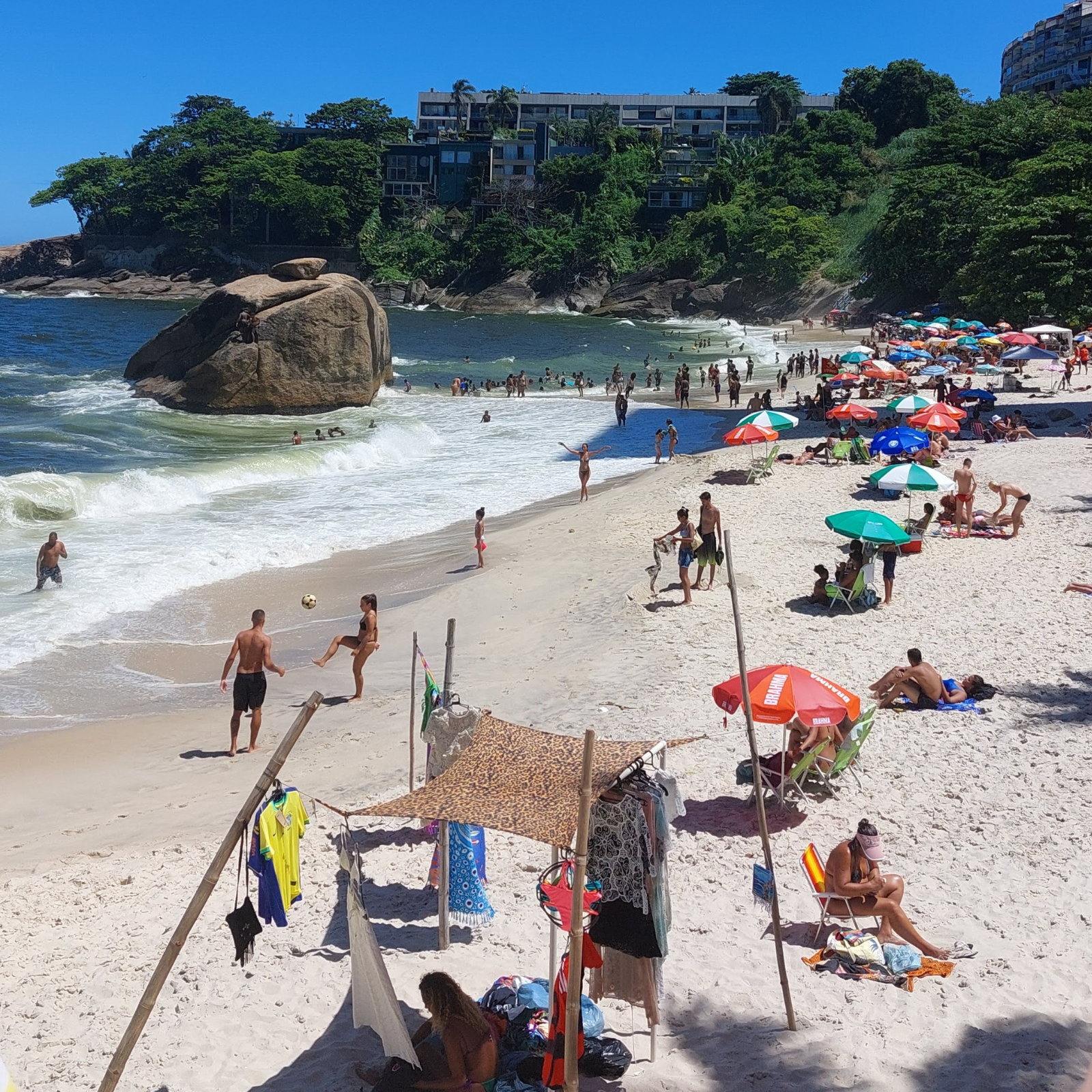

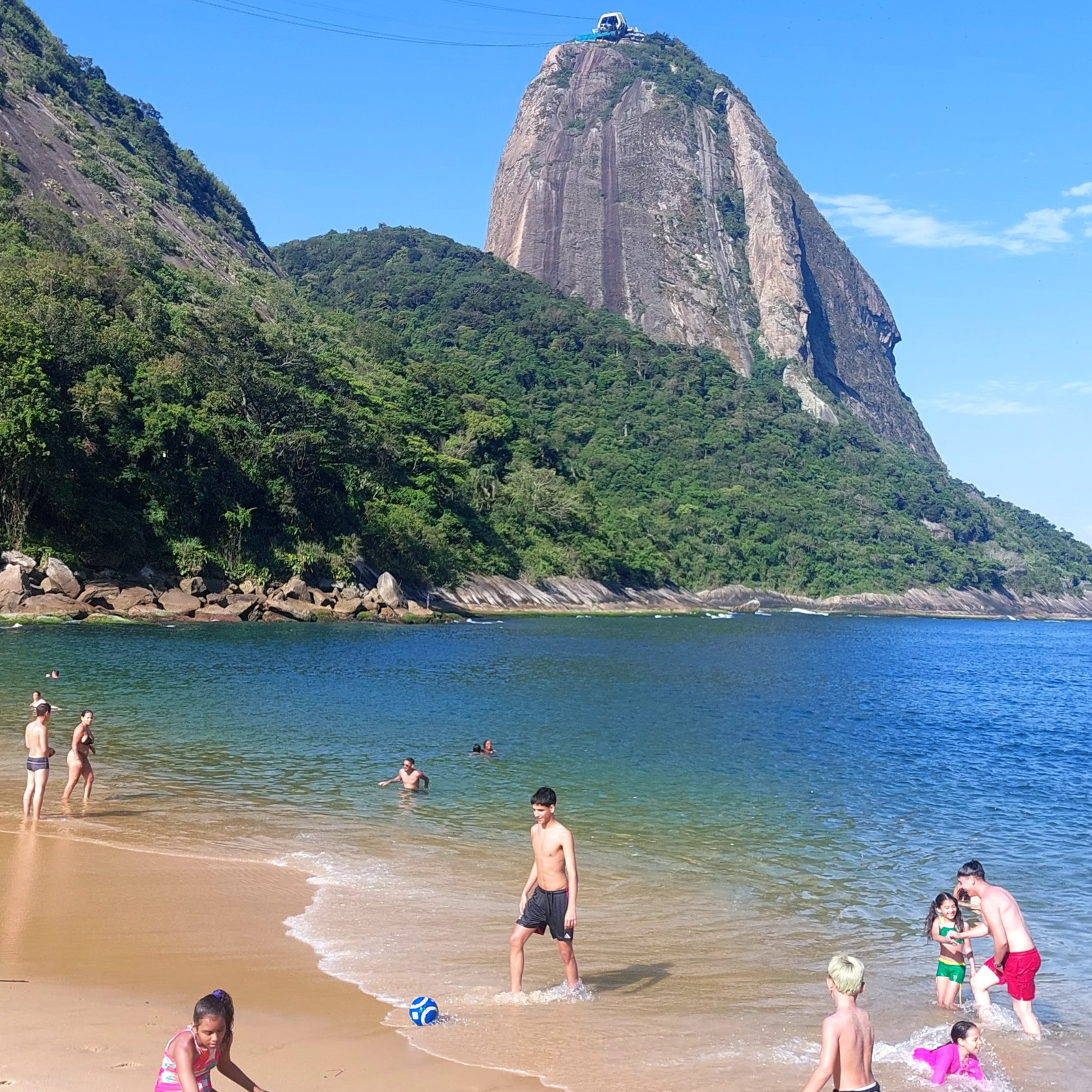
When you think of Rio de Janeiro, its iconic beaches instantly come to mind — but here, the beach is not just a backdrop. It’s where daily life unfolds. From early morning swims to sunset applause, Rio’s beaches are living spaces filled with sports, music, trust, flavors, and spontaneous connections.
Rio de Janeiro's beach culture runs on a set of unwritten codes that locals know by heart. Small, specific customs that quietly shape how people share the sand, look out for each other, and make the most of these spaces every day. Understanding them is the difference between visiting Rio's beaches and actually belonging to them, even for an afternoon.
What makes Rio de Janeiro’s beach culture so unique?
The beach as a democratic gathering place
In Rio de Janeiro, the beach belongs to everyone. People from all backgrounds, ages, and styles come together to relax, play, or just soak up the sun. This mix is a big part of Rio’s identity, celebrating diversity and community.
A culture of camaraderie and trust
One of the most special things about Rio’s beaches is the strong sense of trust among beachgoers. It’s common to ask your neighbor to watch over your belongings while you swim. If a child gets lost, people nearby often clap their hands to help parents locate them by sound — a heartwarming example of community care.
The versatility of the canga: From beach to bar
In Rio, the canga — a colorful beach wrap — is more than just a towel or sarong. It’s a versatile piece of clothing that locals use as a cover-up, a dress, or even a skirt. It’s perfectly normal to leave the beach wearing your canga and head straight to a nearby bar or casual restaurant, blending beach comfort with city life effortlessly. For more on dressing like a local on and off the sand, check out our guide to what to wear in Rio de Janeiro.

Beachside bites and services: Taste and comfort of Rio
Between dips in the water, locals enjoy treats like chilled coconut water, mate tea with lime, Biscoito Globo (a crunchy snack), pastel (savory pastry), and of course, cold beer — perfect for the laid-back vibe. For a deeper dive into the city's food scene beyond the sand, check out our guide to food in Rio de Janeiro.
But Rio’s beaches offer much more than food: you can rent chairs and umbrellas, buy bikinis and beachwear, and even get massages right on the sand, making the beach experience comfortable and convenient.
Beach sports: Football, frescobol, and altinha, a national passion
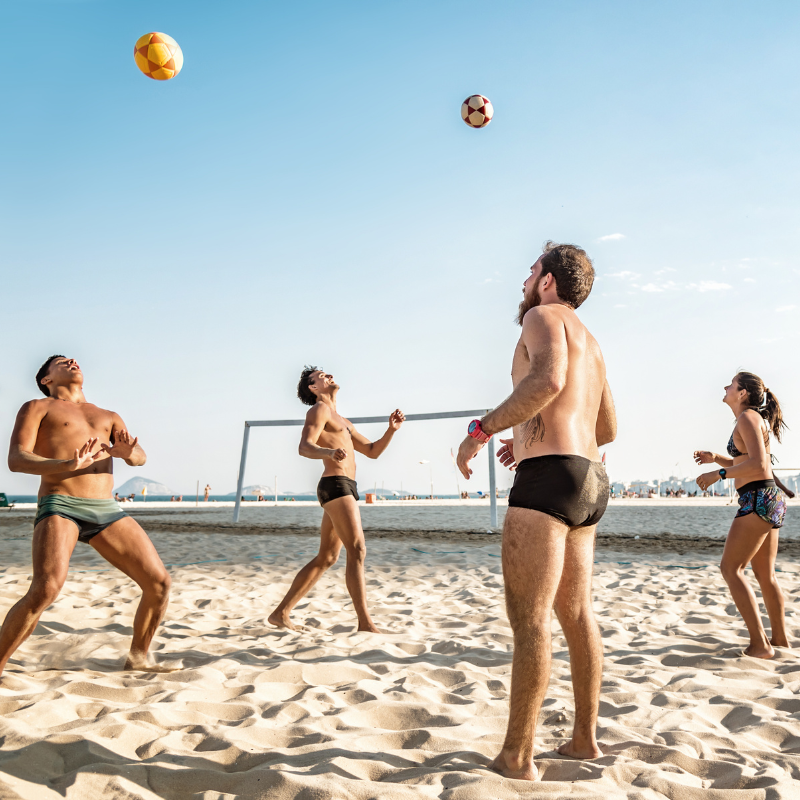
Beaches here are alive with movement. Sand football is a classic, but it's far from the only game in town. Frescobol — a paddleball game where two players keep a rally going as long as possible — is a Rio staple. So is altinha, a keepie-uppie game played with a football at the water's edge, where the goal is simply to never let the ball touch the ground or the water. Beach volleyball rounds out the scene. Whether you want to join a game or just watch, the energy is contagious.
Beaches for every mood
• Peace & nature: Prainha, Joatinga, Grumari
• Lively & social: Ipanema, Leblon
• Family-friendly: Copacabana, Barra da Tijuca
• Surf & sunset: Arpoador
• Wide open spaces: Praia da Reserva
For the full breakdown of every beach in the city, our Rio de Janeiro beaches guide covers them all. If you want to get off the beaten path, these hidden beaches are worth the extra effort, and for the best views to go with your sand, check out our guide to Rio's most scenic beaches.
Planning to get around by public transport? Check out which metro station is closest to each beach
Beach safety is taken seriously
Rio uses a flag system on its beaches to indicate water safety levels. Green means safe to swim, yellow means caution, and red means swimming is prohibited due to dangerous conditions. Always check the flags and follow lifeguard instructions to stay safe.
Rio de Janeiro beaches: common questions and answers
What time should I go to the beach avoid the crowds?
Beaches tend to be busiest late morning through mid-afternoon, especially on weekends and holidays. For a quieter experience, visit early mornings (before 11 AM) or late afternoons (after 5 PM).
Is it safe to visit Rio de Janeiro beaches at night?
Generally, it's not recommended to visit the beaches after dark due to safety concerns. However, Arpoador beach is an exception during the summer months, when it receives special lighting and stays quite lively, but it’s worth knowing: Arpoador beach is closed for cleaning every night from 9 PM to 4 AM.
Are there public restrooms and showers on the beaches of Rio de Janeiro?
Most main beaches like Copacabana, Ipanema and Barra da Tijuca have public restrooms and outdoor showers. These are located underground beneath the postos — the numbered lifeguard stations spread along the beach, which also serve as landmarks for meeting points. Smaller or more remote beaches may not have these facilities.
Can I drink alcohol on the beaches in Rio de Janeiro?
Yes, drinking is allowed but always be mindful of local rules and drink responsibly.
Are dogs allowed on Rio’s beaches?
Dogs are generally allowed on most urban beaches, though enforcement may vary and some areas have specific rules or time restrictions
Can I rent beach equipment like surfboards or paddleboards in Rio de Janeiro?
Yes, many beaches offer rentals for surfboards, stand-up paddleboards, and other water sports gear.

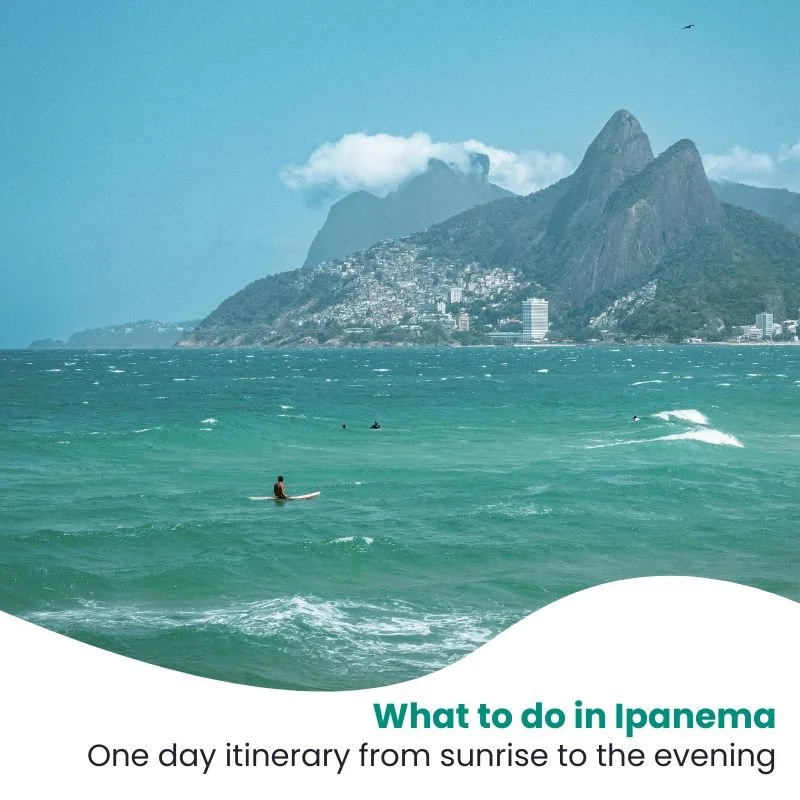

Different from other destinations, what to do in Rio de Janeiro isn't a list of attractions. Here's how to experience it.