

How Copacabana Beach became the world's biggest event stage
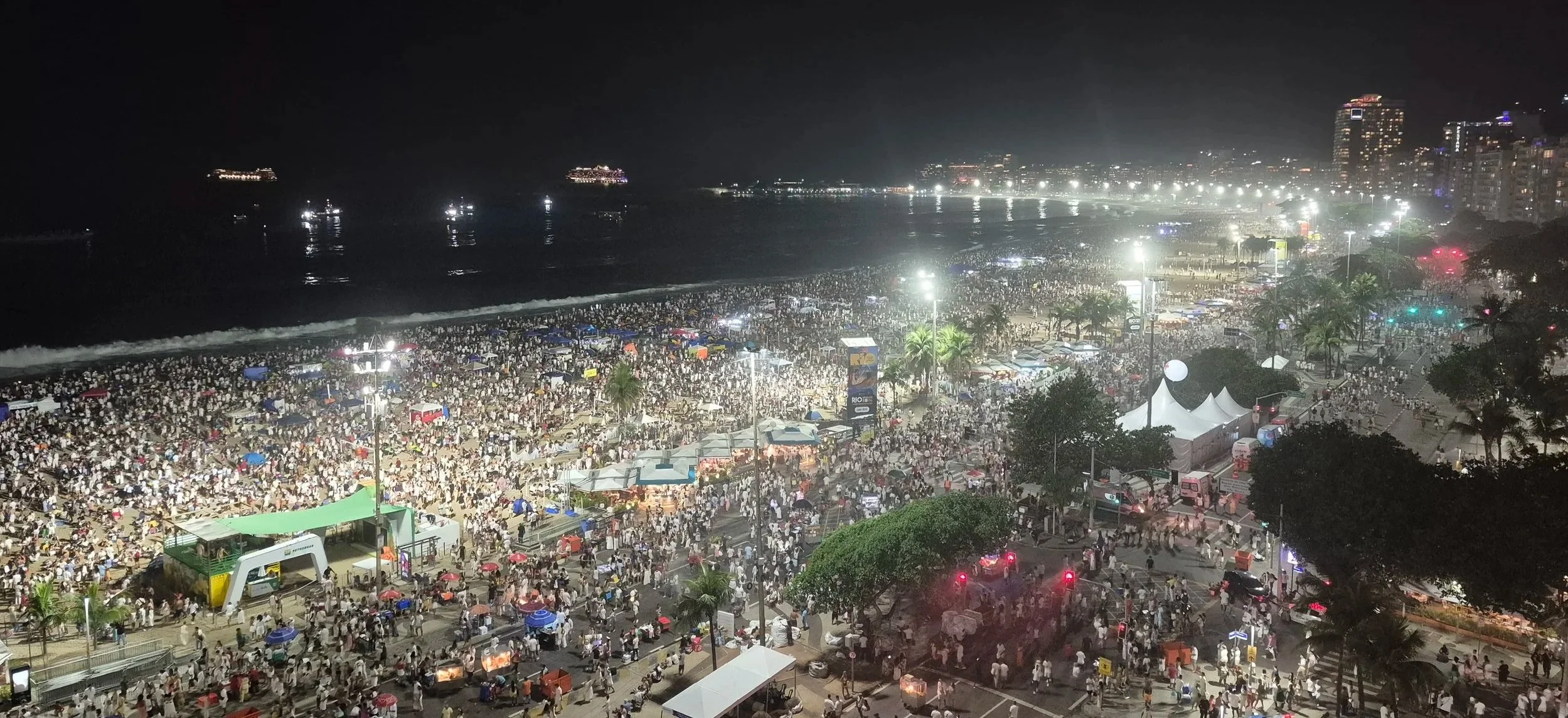
Copacabana Beach on New Year's Eve: the annual event that taught Rio how to host millions
When images of millions of people packed into Copacabana Beach started circulating after recent Madonna and Lady Gaga concerts, many people outside Brazil reacted with disbelief.
How can a beach host crowds this large?
The short answer: because Rio has been doing this for decades.
Long before global artists turned Copacabana into viral content, the beach had already mastered large-scale public events through New Year's Eve celebrations.
Every year, millions gather on the sand for fireworks, concerts, and one of the largest public celebrations on the planet. The infrastructure, crowd management experience, and symbolic power of Copacabana were already there.
The world is only noticing now.
New Year's Eve built the blueprint
For decades, Rio has tested its biggest logistical operation on New Year's Eve. Temporary stages. Security operations. Public transportation adjustments. Massive hotel demand. Crowd control across multiple neighborhoods.
Every December 31st, the city rehearses for scale - here's what New Year’s Eve in Copacabana looks like up close. And it works.
Copacabana was hosting mega concerts before social media existed
Long before drone footage turned these crowds into viral spectacle, the beach was already making history. Rod Stewart drew an estimated 3.5 to 4 million people in 1994. The Rolling Stones brought between 1.3 and 1.5 million in 2006. Lenny Kravitz performed for 450,000 in the rain. Stevie Wonder and Gilberto Gil shared the stage for half a million people at Christmas.
What changed recently wasn't Copacabana's ability to host massive crowds. It was visibility. Social media transformed something Rio had quietly mastered into global spectacle.
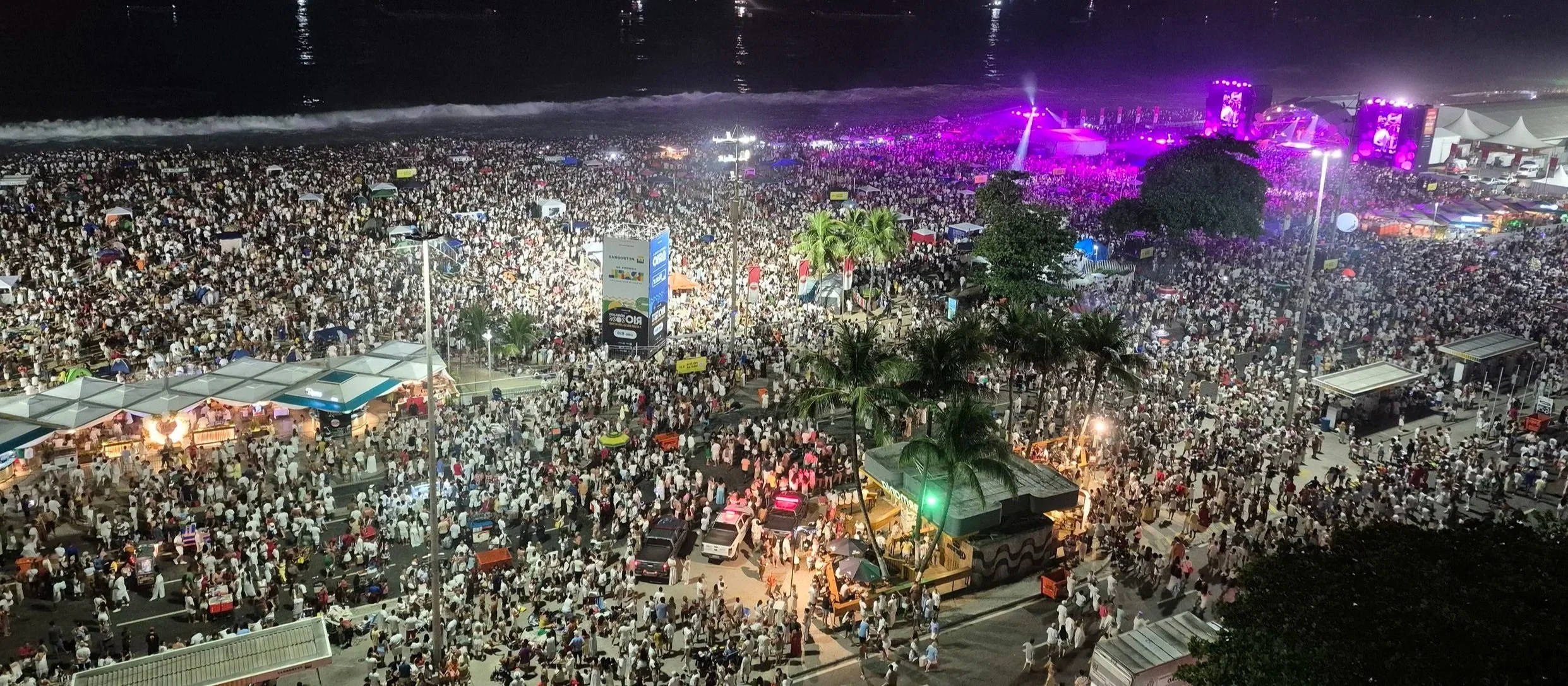
The kind of image that went viral and made the world finally pay attention to what Rio had been doing all along
Madonna changed global perception
Madonna's free concert turned Copacabana into front-page international news. The aerial images looked almost unreal. Hotels filled up. Flights surged. International media coverage exploded. For many people outside Brazil, this was the moment they realized what this beach was capable of.
From exception to repeatable model
Lady Gaga confirmed that what Madonna sparked wasn't a one-off. Another massive crowd, another wave of international headlines. Then came Shakira in 2026, and with her, the city's official confirmation of the Todo Mundo no Rio project as a two-year commitment to bringing major global events to Copacabana.
What once felt like a trend now looks increasingly intentional.
Why Copacabana works — and what it means if you want to go
Very few places in the world can pull this off. Copacabana offers massive beachfront capacity, metro access, proximity to airports, and the kind of global recognition that makes artists want to perform here. And unlike stadium events, anyone can attend for free.
That accessibility is what makes these events feel distinctly Rio: massive in scale, visually spectacular, and open to everyone.
But free doesn't mean effortless. Hotel prices in Copacabana surge as soon as major concerts are announced, and nearby neighborhoods like Ipanema, Leblon, and Botafogo fill up quickly. The metro is your best option for getting in and out and driving is rarely worth it. Expect limited phone signal after events end, long walks, and crowds that don't thin out immediately.
The practical rule: have an exit plan before the concert starts.
The world is catching up to Rio
What's happening in Copacabana goes beyond concerts. The world is increasingly paying attention to something Rio has always understood: public space here isn't decorative. It's where life happens.
Beaches become concert venues. Streets become Carnival parades. Parks become workout spaces. Fan fests fill the sand during World Cups. Sporting events find a backdrop that no stadium can replicate.
Before her concert, Shakira wrote that Rio feels like "the place where the planet seems to want to take us by the hand and remind us what actually matters." She ended with something even more striking:
"If planet Earth had an altar capable of speaking for itself, that altar would be Copacabana."
For locals, none of this feels revolutionary. It feels familiar.
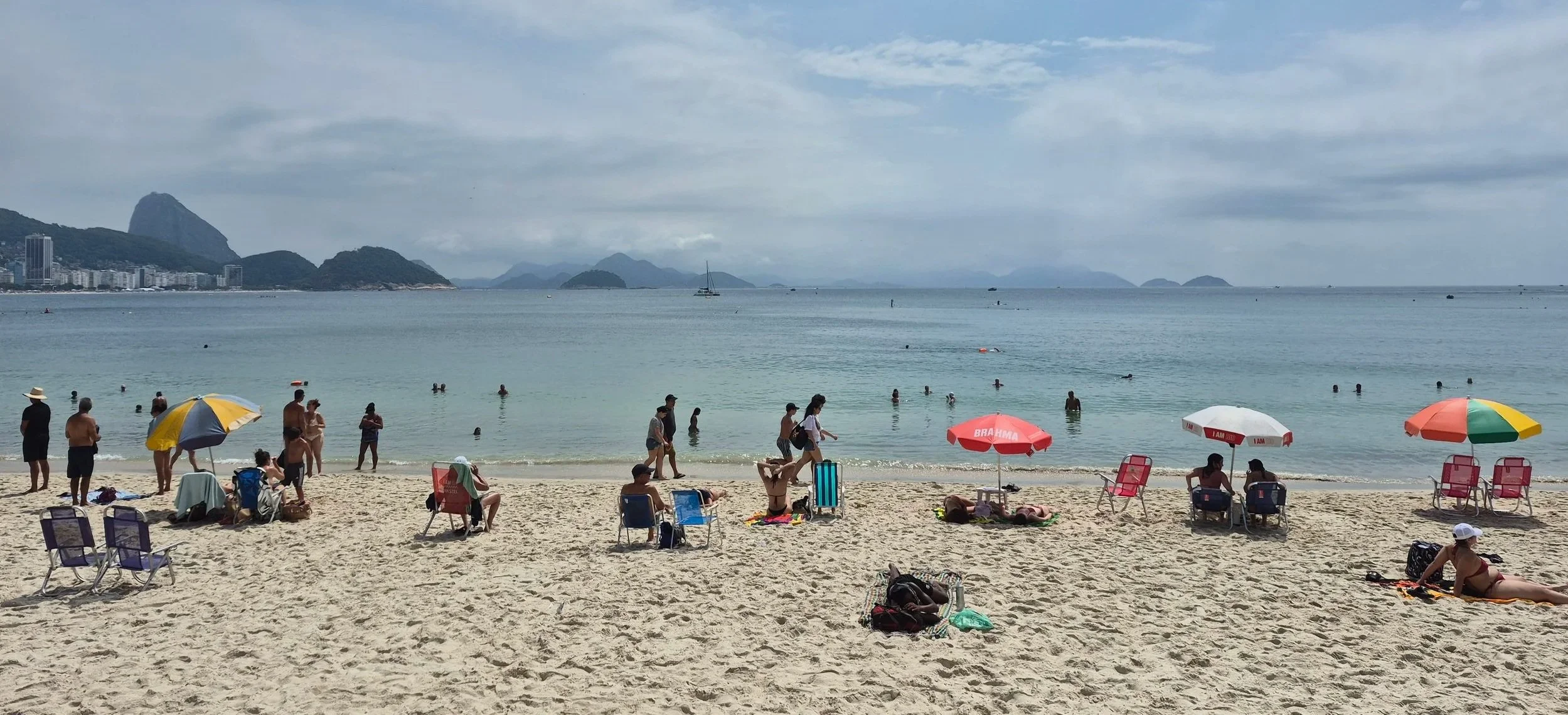
The same beach, any other day
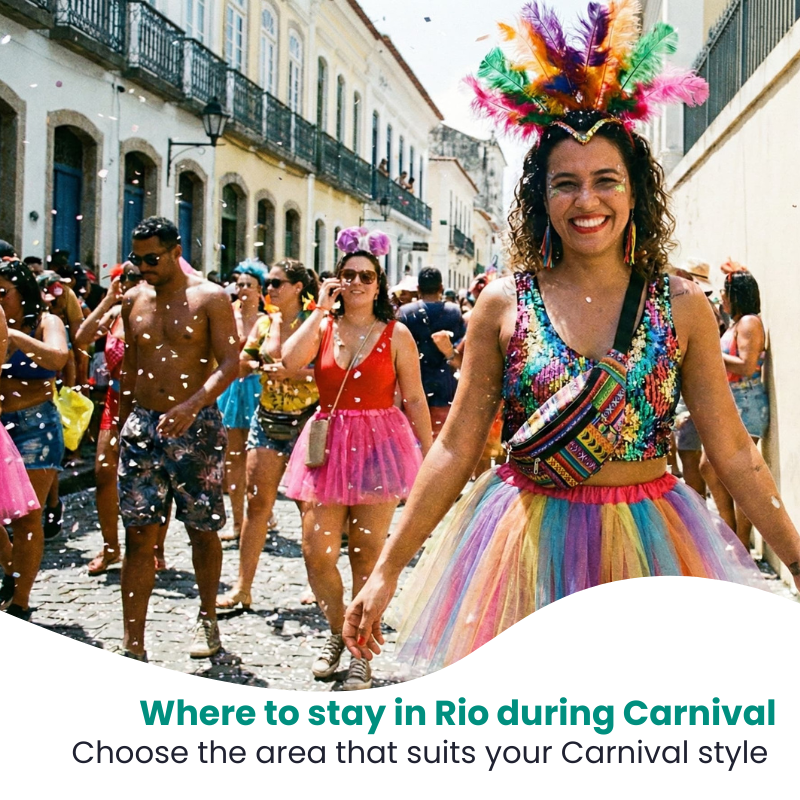

Rio Carnival happens on the streets as much as in the Sambadrome. Here's everything you need to know about blocos — Rio's free street parties — from what they are to how to join one safely.