

Rio de Janeiro metro stations guide: Which station to use for every tourist attraction
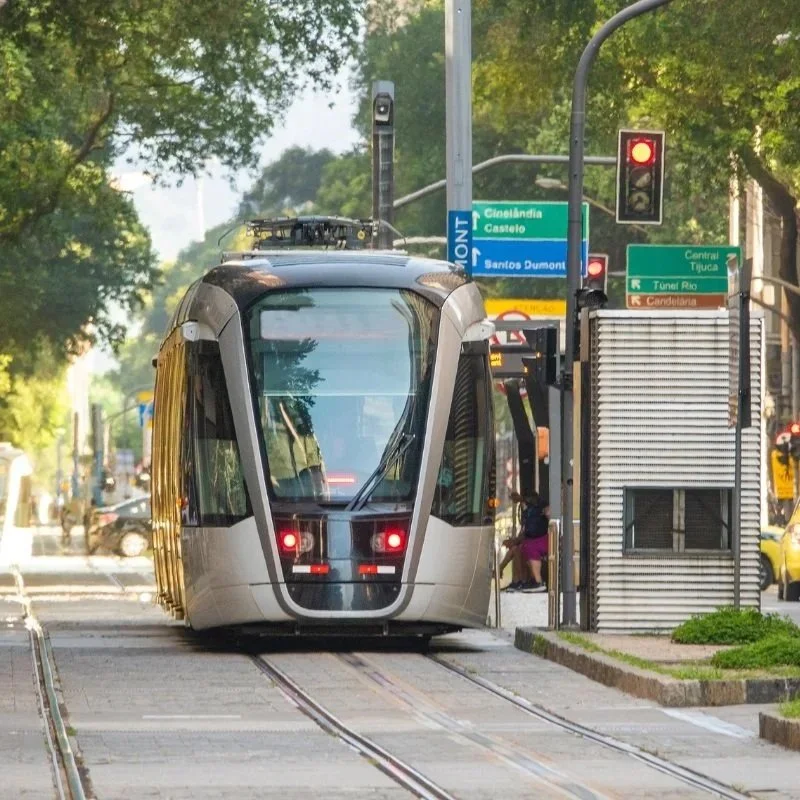
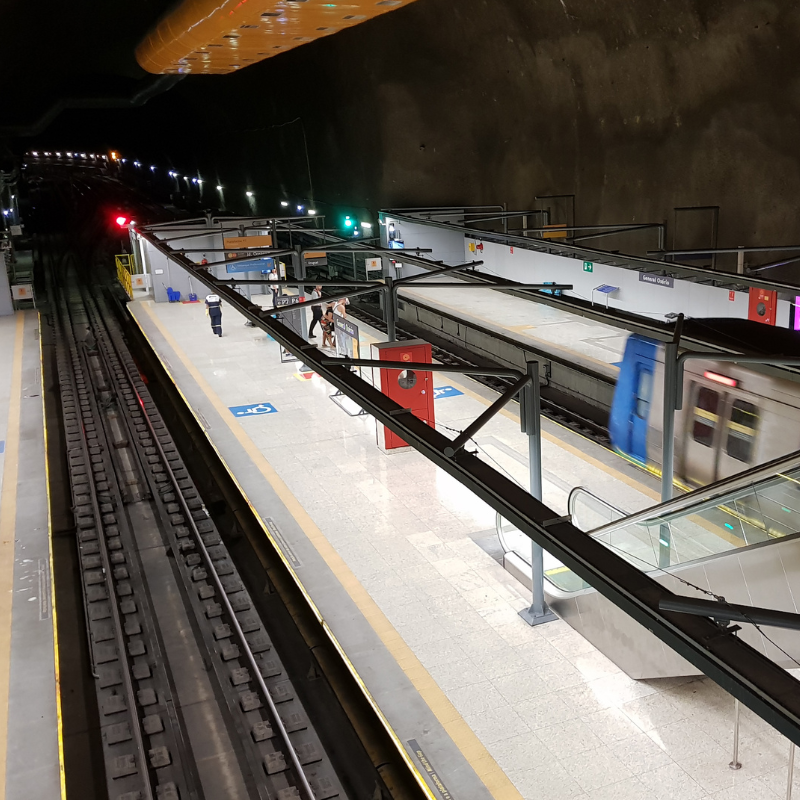

Rio's metro network is relatively small compared to those in cities like London, Paris or New York, but it's one of the easiest and most efficient ways to get around for most visitors.
Rio de Janeiro metro stations provide easy access to many of the city's most popular beaches, attractions, neighborhoods and cultural sites. This guide shows you which station to use for each destination, plus when it's worth combining the metro with a short Uber ride, Bike Itaú or an official shuttle.
Looking for information about fares, operating hours, safety, or how Rio's metro compares to Uber, buses and the VLT? Check out the complete guide on how to get around Rio for fares, cards, payments and safety tips all in one place.
Best metro stations for Rio de Janeiro's beaches
One of the best things about Rio's metro is how easily it connects to many of the city's most famous beaches. In most cases, you'll only need a short walk from the station to reach the sand, while a few beaches are better accessed by combining the metro with a quick Uber ride or a Bike Itaú rental. Here's the best station to use for each beach.


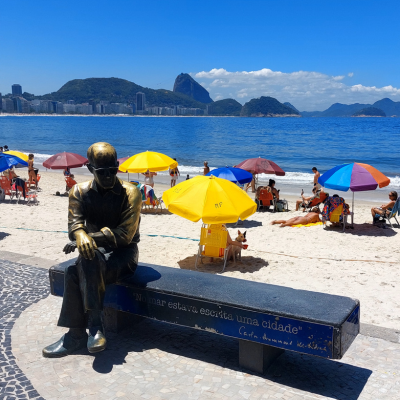
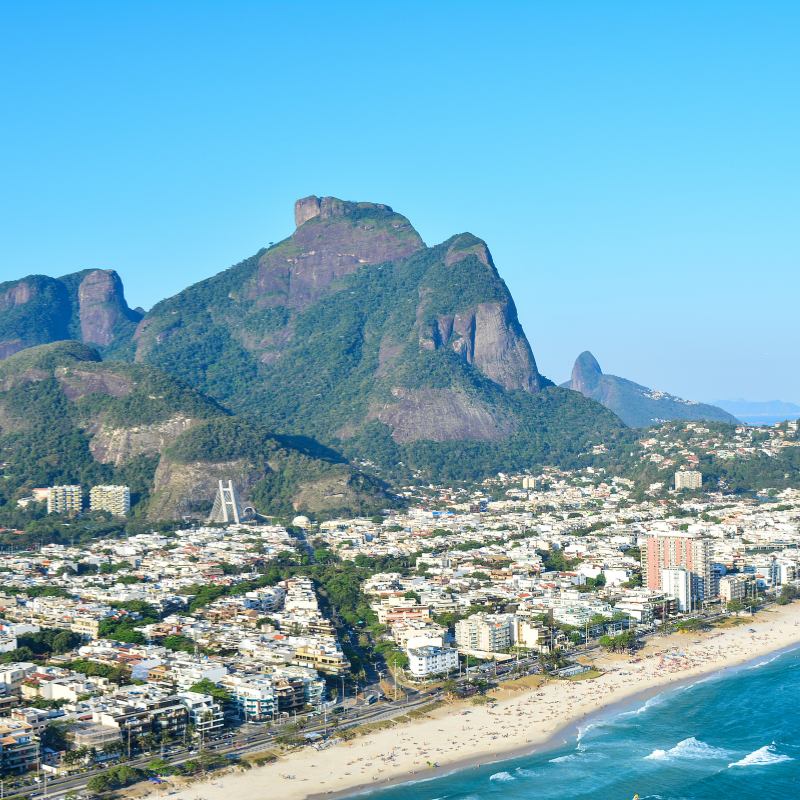
Copacabana Beach
🚇Cardeal Arcoverde is the closest station to Leme Beach, the quieter northern end of Copacabana. It's also the best option if you're planning to visit Forte Duque de Caxias, enjoy the views from Mureta do Leme, or start a scenic walk along the waterfront.
🚇Siqueira Campos is ideal for the central stretch of the beach, with easy access to Postos 3, 4 and 5, as well as many of Copacabana's hotels, restaurants and bars.
🚇Cantagalo is the best choice for the southern end of Copacabana, close to Posto 6, Forte de Copacabana, and the border with Ipanema and Arpoador.
If you're planning to walk the entire waterfront, any of these stations makes a great starting point.
Ipanema Beach
Ipanema is served by two metro stations, both within walking distance of the beach. The best choice depends on which part of the neighborhood you'd like to explore.
🚇General Osório is the closest station to Arpoador, Posto 8, and the eastern end of Ipanema Beach. It's the best option if you're planning to watch the sunset from Arpoador Rock, visit the Hippie Fair on Sundays, or continue walking towards Copacabana and Forte de Copacabana.
🚇Nossa Senhora da Paz is the most convenient station for the heart of Ipanema, including Posto 9, one of Rio's most iconic beach areas. It's also the best starting point for exploring Ipanema's cafés, boutiques and restaurants along Rua Visconde de Pirajá and Garcia d'Ávila.
If you're planning to spend the day exploring both the beach and the neighborhood, either station is an excellent choice. Walking between them takes around 15 minutes.
Leblon Beach
🚇Antero de Quental is the closest metro station to Leblon Beach and the best option for exploring the neighborhood. From here, it's an easy walk to the beach, especially the area around Posto 11, known for its relaxed atmosphere.
The station also provides easy access to Leblon's cafés, restaurants and boutiques along Rua Dias Ferreira and Ataulfo de Paiva, making it a great choice if you're planning to combine a beach day with lunch, dinner or drinks in one of Rio's most upscale neighborhoods.
São Conrado Beach
🚇São Conrado is the closest metro station to São Conrado Beach and one of the easiest ways to reach the neighborhood without a car. From the station, it's a short walk to the beach, where you can watch hang gliders and paragliders land throughout the day.
Pepê Beach
🚇Jardim Oceânico is the closest metro station to Pepê Beach and the gateway to Barra da Tijuca. From the station, it's an easy walk to the beach, a popular spot for surfing and kitesurfing. If you're planning to explore more of Barra's coastline, including Reserva or Pontal, combine the metro with a short Uber ride, as distances in Barra are much longer than in the South Zone.
👉 Looking for Rio’s best beaches? Check out my guide to how to choose the best beach in Rio de Janeiro
Best metro stations for Rio de Janeiro's sunset spots
Rio's most famous sunsets are easy to reach by metro, although some require a short walk or a quick Uber ride from the nearest station. Here are the best stations to use for some of the city's favorite places to watch the sun go down.



Arpoador
🚇General Osório is the closest metro station to Arpoador. From there, it's an easy walk to Arpoador Rock, where locals and visitors gather every evening to applaud the sunset.
Mureta da Urca
🚇Botafogo is the nearest metro station to Mureta da Urca. From there, it's about a 20-minute walk, but a short Uber ride or Bike Itaú can make the journey more comfortable, especially before sunset. Once there, grab a drink from one of the nearby kiosks and join the locals watching the boats return to Guanabara Bay.
Quebra-Mar
🚇Jardim Oceânico is the closest metro station to Quebra-Mar, one of Barra da Tijuca's favorite sunset spots. It's within walking distance of the station and also a great place to finish the day after visiting Pepê Beach or exploring the neighborhood.
👉 Looking for more sunset viewpoints? Read my guide to the best sunset spots in Rio de Janeiro.
Best metro stations for samba and nightlife
Rio's best nightlife is easy to reach by metro, although some areas require a short walk or a quick Uber ride from the nearest station.
Lapa
🚇Cinelândia puts you within a 10-minute walk of Lapa and is a good choice if you're arriving during the day or before sunset. If you're visiting for the nightlife, I'd recommend taking an Uber instead.
Pedra do Sal
🚇Carioca is the metro station for visiting Pedra do Sal. From there, transfer to VLT Line 1 and get off at Parada dos Museus. It's then just a short walk to Pedra do Sal, making this the easiest route by public transport.
If you're visiting on a samba night, take an Uber for the return journey.
Botafogo
🚇Botafogo station is the best starting point for exploring one of Rio's liveliest nightlife districts. The neighborhood is packed with cocktail bars, craft breweries and casual restaurants, all within walking distance of the metro.
👉Looking for the best samba clubs, bars and nightlife areas? Read my complete guide to Rio's nightlife.
Best metro stations for Rio de Janeiro’s iconic attractions
A few of Rio's most famous attractions are just steps from a metro station, while others require a short Uber ride or an official shuttle. Here's the easiest way to reach each one using the metro.

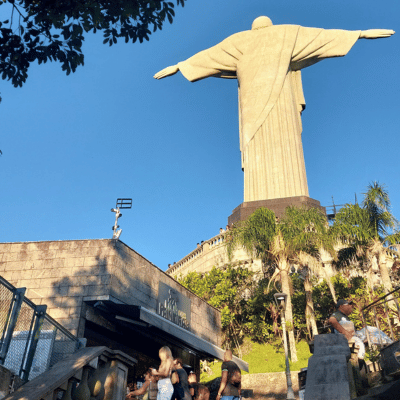

Christ the Redeemer
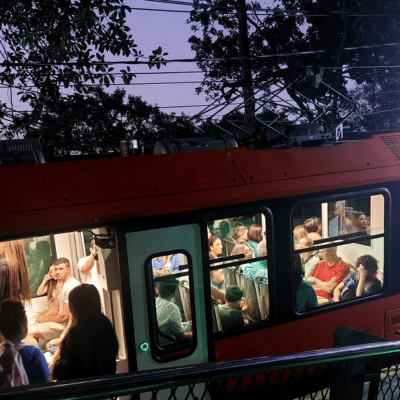
🚇 Largo do Machado If you're taking the official Paineiras Corcovado van, this is the most convenient way since the departure point is just a short walk from the station. If you prefer to take the Corcovado Train, Largo do Machado is still a great starting point, just add a short Uber ride to the train station in Cosme Velho.
Sugarloaf Mountain
🚇 Botafogo Although Sugarloaf Mountain isn't directly served by the metro, Botafogo station is only about 20 minutes away on foot. If you prefer, a short Uber ride will take you to the cable car entrance in just a few minutes.
Selarón Steps
🚇 Cinelândia For visiting the Selarón Steps, Cinelândia station is about a 10-minute walk from the attraction. The area is easy to explore on foot, making it a great opportunity to combine your visit with the Municipal Theatre, the Arcos da Lapa, or one of Lapa's cafés and bars.
Maracanã Stadium
🚇 Maracanã station (Line 2) is the most convenient option for visiting the stadium, whether you're attending a football match or taking a stadium tour. The station is directly connected to the stadium area, making it easy to reach by public transport.
AquaRio
🚇 Carioca is the metro station to use if you're visiting AquaRio. From there, take the VLT to Utopia/AquaRio station. The journey is straightforward and also makes it easy to explore other highlights of Porto Maravilha.
Municipal Theatre
🚇 Cinelândia station is located right in front of the Municipal Theatre. The area is also home to the National Library, the National Museum of Fine Arts and several other cultural landmarks, all within a few minutes' walk.
👉 Planning to visit Rio's top attractions? Read my complete guide to Rio de Janeiro tourist attractions.
Best metro stations for Rio de Janeiro's markets & fairs
Many of Rio's markets and street fairs are easy to reach by metro, making them a great way to experience local food, crafts and culture beyond the city's famous attractions.
Ipanema Hippie Fair
🚇 General Osório station is just steps from the Hippie Fair, held every Sunday in Praça General Osório. It's the perfect starting point for browsing local artwork, handmade jewelry, clothing and souvenirs before heading to Ipanema Beach.
Feira da Glória
🚇 Glória station is only a short walk from Feira da Glória, a traditional Sunday market popular with locals. It's a great stop if you're looking for handicrafts, antiques, vintage finds and local street food.
Mercado São José
🚇 Largo do Machado station provides the easiest access to Mercado São José, a restored historic market known for its Brazilian handicrafts, souvenirs and artisanal food products.
Best metro stations for parks & hiking in Rio de Janeiro
Some of the city's best parks, viewpoints and hiking trails are within walking distance of a station. For others, it’s necessary to combine the metro with a short Uber ride.
Pedra Bonita & Pedra da Gávea
🚇 São Conrado is the station to use for both hikes. From there, a short Uber ride will take you to the trailheads. It's also the best option if you're planning to go hang gliding or paragliding.
Rodrigo de Freitas Lagoon
🚇 General Osório is a great starting point for exploring the eastern side of the lagoon. From there, you can walk, rent a Bike Itaú, or continue towards Parque Lage and the Botanical Garden.
Forte Duque de Caxias
🚇 Cardeal Arcoverde is the best station to visit Forte Duque de Caxias. From there, it's an easy walk to the trail leading to one of the best viewpoints over Copacabana and Guanabara Bay.
Aterro do Flamengo
🚇 Flamengo and Largo do Machado both provide easy access to Aterro do Flamengo, one of Rio's largest waterfront parks. It's perfect for walking, cycling, picnics or simply enjoying the views of Guanabara Bay.
Museum of the Republic Gardens
🚇 Catete station is located right next to the Museum of the Republic, one of Rio's most pleasant green spaces. It's a quiet place to relax under the trees, watch local life and take a break from sightseeing, right in the heart of the city.
👉 Looking for more outdoor adventures? Explore my guide to Unique Things to Do in Rio de Janeiro.
Best metro stations for museums in Rio de Janeiro
Rio's metro makes it easy to explore many of the city's cultural landmarks, especially those in Downtown Rio. Several museums, historic buildings and cultural institutions are within walking distance of a metro or VLT station, making it easy to visit more than one in the same day.
Confeitaria Colombo, CCBB & Royal Portuguese Reading Room
🚇 Carioca is the best station for exploring Rio's historic center. From there, you can easily walk to Confeitaria Colombo, the CCBB (Banco do Brasil Cultural Center) and the stunning Royal Portuguese Reading Room, one of the world's most beautiful libraries.
Museum of Tomorrow
🚇 Take the metro to Carioca, then transfer to the VLT and get off at Parada dos Museus. From there, it's a short walk to the Museum of Tomorrow, with the Olympic Boulevard and Porto Maravilha right on your way.
Museum of Modern Art (MAM)
🚇 The easiest way to reach MAM is by taking the metro to Carioca or Cinelândia, then transferring to the VLT and getting off at Antônio Carlos. From there, it's a pleasant walk through Aterro do Flamengo to the museum.
👉 Want to explore more of Rio's cultural side? Discover even more museums, landmarks and experiences in my guide to Best Things to Do in Rio de Janeiro.



A full day in Ipanema, from a sunrise most visitors miss to samba on the sand at sunset.