

This is one of Rio de Janeiro’s best kept secrets: every year between June and August, humpback whales pass through the waters off Rio on one of the longest migrations on earth.
They arrive from Antarctica, travel thousands of kilometres north to breed in the warm waters off the Brazilian coast, and pass close enough to let us enjoy whale watching in Rio de Janeiro.
On calm days you can sometimes spot them from the shore.
What makes this more than a wildlife spectacle is the history of recovery behind it. For centuries, these same waters were a hunting ground that nearly wiped the species from existence. The recovery has been extraordinary: from fewer than 1,400 individuals on the Brazilian coast thirty years ago to an estimated 25,000 today.
The whales have returned, and Rio is one of the best places to encounter them. For the full story, see the final section of this post.
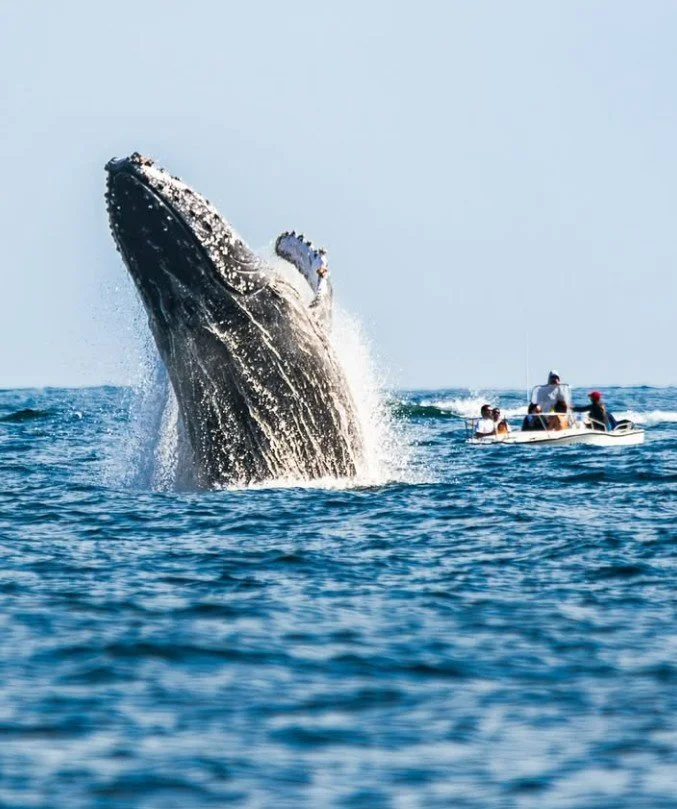
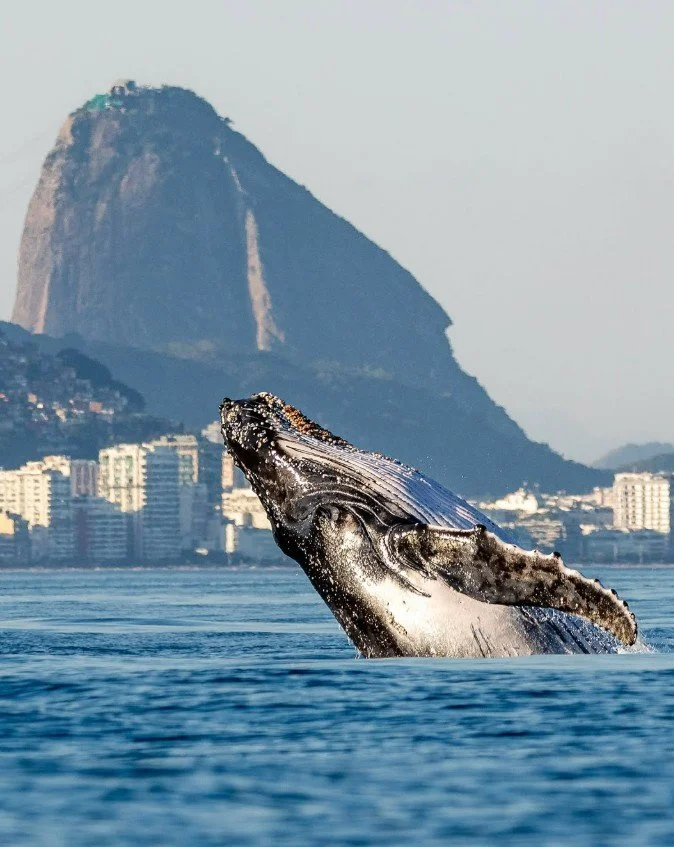
The photos below were taken by Humberto Baddini, one of Rio's finest photographers. Follow his work on Instagram: @humbertobaddini
Whale watching in Rio de Janeiro: when and how
The season in Rio runs from June to August, with peak sightings in July.
The whales are passing through on migration rather than breeding here, which means encounters tend to be dynamic with animals in transit, sometimes surfacing close to the boats, occasionally breaching or showing their flukes before diving.
The waters around the Cagarras, the small archipelago a few kilometres off the coast of Ipanema and Leblon, are among the best areas for sightings.
The islands form a protected environmental area and support a rich marine ecosystem that attracts whales and dolphins throughout the season.
Recommended: Rio Boat Experience The leading whale watching operator in Rio, with over 2,000 participants in the 2025 season.
Tours depart from Barra da Tijuca (with an alternative embarkation at the Urca pier when sea conditions require) and last approximately three hours.
A marine biologist accompanies every trip, providing context on whale behaviour throughout. Boats are inspected by the Brazilian Navy and all safety equipment is mandatory.
The tour includes humpback whale sightings where conditions allow, as well as dolphins, sea turtles, and the seabird colony at Ilha Redonda. On calm days, there may be time for a swim at the end.
Book directly at rioboatexperience.com.br for R$385 per person. Booking direct is significantly cheaper than through third-party platforms.
The whales migration: where they come from and where they're going
Humpback whales are among the great long-distance migrants of the animal kingdom.
Each year they leave their feeding grounds in Antarctica and travel approximately 4,500 kilometres north to the warm waters of the Brazilian coast, where they mate, give birth, and nurse their calves.
The journey takes around two months each way. During the four months they spend in Brazil, they don't eat, being sustained entirely by fat reserves built up during the Antarctic summer.
The primary destination is the Abrolhos Bank in Bahia, the most important humpback breeding ground in the South Atlantic. But the migration corridor runs the length of the Brazilian coastline, and Rio sits directly within it.
Other places worth knowing for whale spotting are the coast off Santa Catarina, around Praia do Rosa.
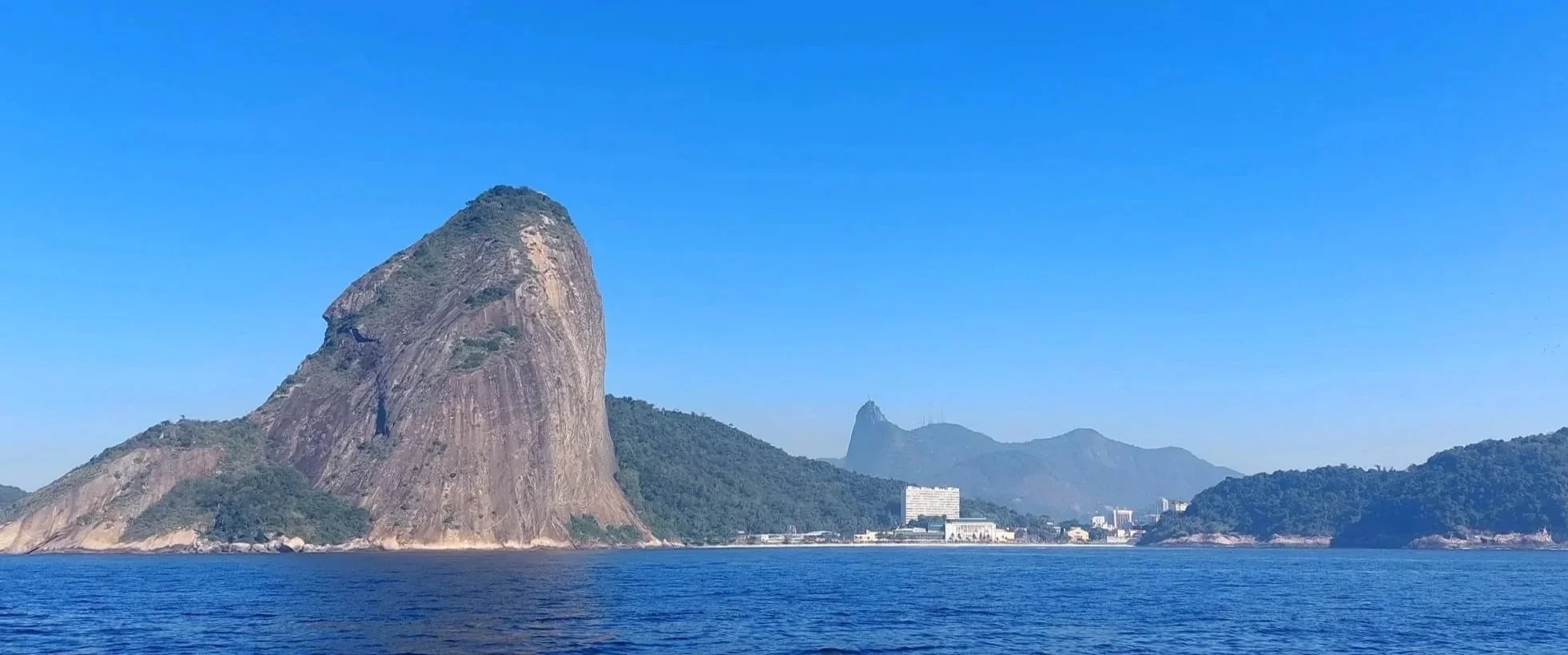
Even if the whales don’t show up, Rio de Janeiro seen from the water is something else
The whales historyin Rio de Janeiro: from hunting ground to sanctuary
The waters off Rio were, for centuries, the site of a whaling industry that operated with the full backing of the Portuguese Crown. The primary target was the southern right whale, chosen because it carries more blubber than other species and floats when killed.
Its oil was as valuable in the colonial period as petroleum is today, used to light streets and homes across the colony.
With the arrival of European settlers in the 1600s and 1700s, whaling stations were established along the coast. The Marquis of Pombal created a dedicated Companhia de Baleação to formalise the trade.
A typical season lasted two months with two small boats, eight men, up to 40 animals. Each whale yielded around 8,000 litres of oil. Nothing was wasted: the boiled blubber left a residue used as mortar in colonial construction. The bodies of these animals are embedded, literally, in the architecture of old Rio.
By the early 19th century the industry was already collapsing, not from any concern for the whales, but because the populations had been hunted to near-absence. The animals essentially disappeared from these waters for generations.
The recovery began with the global moratorium on commercial whaling in 1986. Brazil designated the Abrolhos archipelago as a protected marine area, giving the recovering population a critical refuge.
In 2015, humpback whales were officially removed from Brazil's endangered species list. Thirty years ago, fewer than 1,400 individuals swam along the Brazilian coast. Today there are an estimated 25,000 and the numbers grow each year.
Planning your Rio de Janeiro trip? These guides will help:
Frequently asked questions
When is whale season in Rio de Janeiro?
Humpback whales pass through the waters off Rio between June and August, with peak sightings in July. The broader Brazilian season runs from late May to early November, with the Abrolhos region in Bahia as the primary concentration area.
Where can I see whales in Rio de Janeiro?
The best area is the waters around the Ilhas Cagarras, off the coast of Ipanema and Leblon. Organised boat tours departing from Barra da Tijuca offer the best chance of a close encounter, accompanied by a marine biologist.
What kind of whales can be seen in Rio de Janeiro?
Primarily humpback whales (baleia jubarte), which migrate along the Brazilian coast between June and November. Dolphins, sea turtles, and seabirds are also commonly seen on tours.
Is whale watching suitable for children?
Yes — whale watching companies accepts passengers from age 3. The marine biologist on board provides educational commentary throughout, making it a genuinely enriching experience for younger visitors.
Written by Karina — a born-and-raised Carioca with 12+ years in the tourism industry. She created Going to Rio to share the city the way locals actually live it. Learn more about Karina
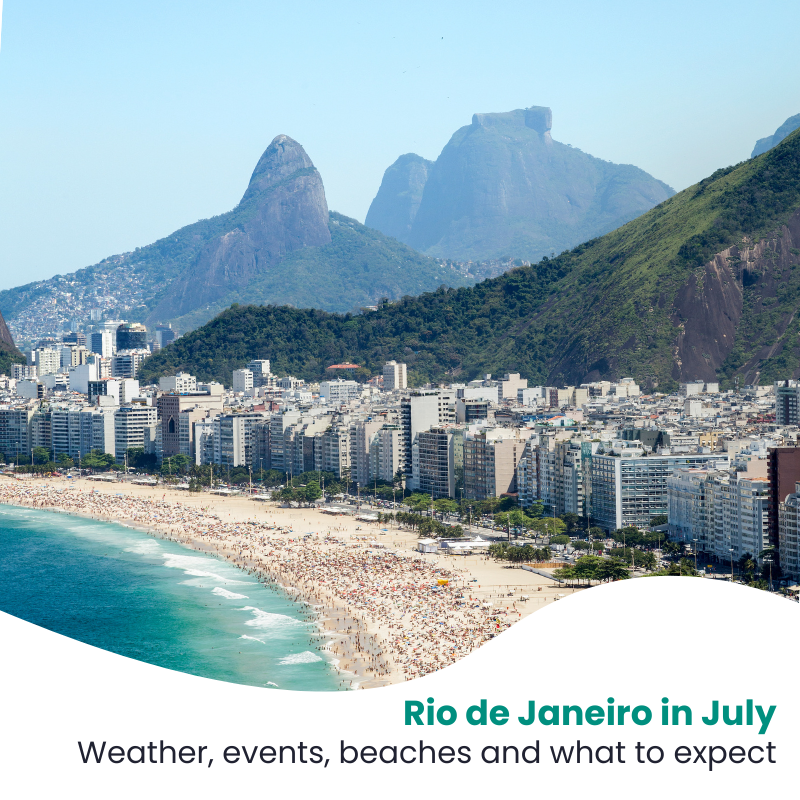

Rio's driest month with less crowds, great weather for beach and outdoor activities. Plus the humpback whales.