

Unique things to do in Rio de Janeiro: hidden spots and activities only locals know


Rio de Janeiro is famous for iconic tourist attractions like Christ the Redeemer, Sugarloaf Mountain, and Copacabana Beach. But some of the most unique things to do in Rio are experiences you might never discover when planning a traditional sightseeing itinerary.
You can paddle along the coastline in a Hawaiian canoe, hike through the Atlantic Forest to reach one of the city’s most famous landmarks, cycle along dramatic coastal roads, take a capoeira class under a modernist landmark, or even swim in a waterfall without leaving the city.
These experiences reveal a side of Rio that goes far beyond its famous postcard views. Some are adventurous, others cultural or surprisingly simple, but they all offer a different way to explore and understand the city.
Here are 10 unique things to do in Rio de Janeiro that deserve a place in your trip.
Unique things to do in Rio de Janeiro at a glance
🛶 Paddle along Rio’s coastline in a Hawaiian canoe
🥾 Hike through the forest to Rio’s iconic attractions
🚲 Cycle Avenida Niemeyer and other scenic routes
🦜 Go birdwatching at the Botanical Garden
💃 Join capoeira and dance classes at the MAM pilotis
🏰 Visit Ilha Fiscal
🏝️ Have lunch on Gigoia Island
🏄 Go surfing surrounded by the Atlantic Forest at Prainha
💦 Swim in a waterfall in Tijuca Forest
🌅 Watch the sunset at Mureta da Urca
Paddle along Rio’s coastline in a Hawaiian canoe
Seeing Rio from the water is always special, but doing it from a Hawaiian canoe adds a completely different perspective to the experience.
Tours usually leave from Flamengo Beach and paddle through Guanabara Bay, with views of Rio’s skyline, Sugarloaf Mountain, and Ilha Fiscal along the way. When sea conditions allow, some routes continue toward the open ocean and Praia de Fora, at the foot of Sugarloaf, where there may be time to stop for a swim.
I haven’t tried this experience myself yet, but a friend who regularly paddles in Rio absolutely loves it, and her stories have put it firmly on my list. Depending on the route and a good dose of luck, paddlers may even spot dolphins or, during whale migration season, humpback whales along Rio’s coast.
Hawaiian canoeing combines exercise, nature, and some of the best views of the city from the water. If you like the idea of starting your day on the ocean but prefer a different kind of experience, you might also enjoy my guide to sunrise stand-up paddle in Rio, with options in Urca and Copacabana.
Hike through the forest to Rio’s iconic attractions
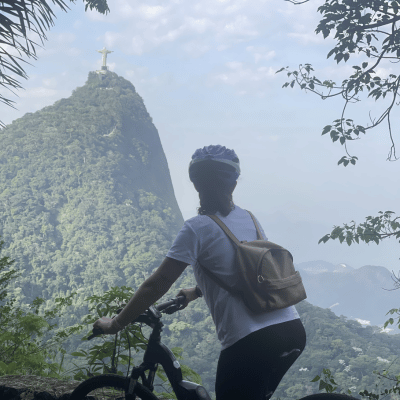
Most visitors reach Christ the Redeemer and Sugarloaf Mountain by train, van, or cable car. What many don’t know is that you can turn the journey itself into an experience and reach both attractions by hiking through the Atlantic Forest.
The new Paineiras-Corcovado trail connects the Paineiras Visitor Center to Christ the Redeemer through a 1.15-kilometer route inside Tijuca National Park. The moderately difficult trail takes around 45 minutes and includes a viewpoint overlooking the South Zone before reaching Corcovado.
My complete guide to Christ the Redeemer covers the different ways to reach the monument, the best time to visit, tickets, and everything else you need to plan your visit.
There is also a longer trail to Christ the Redeemer starting at Parque Lage, but this is a much more demanding route, with steep sections and several hours of hiking. If you’re considering this option, I recommend going with an experienced guide rather than attempting it on your own.
Sugarloaf Mountain offers an easier alternative. Starting near Praia Vermelha, the trail takes you through the forest to Morro da Urca, the first hill of the Sugarloaf complex, in around 45 minutes. One of my favorite parts is the beginning of the trail, where openings between the trees offer views of Praia Vermelha below.
One important thing to know: the trail ends at Morro da Urca, the first hill of the Sugarloaf complex. If you want to continue to Sugarloaf Mountain or use the cable car, you’ll need a ticket. My complete guide to Sugarloaf Mountain explains how the tickets and cable cars work and everything you need to plan your visit.
Cycle Avenida Niemeyer to São Conrado
Rio de Janeiro has an extensive network of bike paths, but few routes are as spectacular as the ride from Leblon to São Conrado along Avenida Niemeyer.
The road runs between steep cliffs and the Atlantic Ocean, offering dramatic coastal views along the way. When you reach São Conrado Beach, it is common to see paragliders and hang gliders landing on the sand after taking off from Pedra Bonita high above the city.
Avenida Niemeyer is just one way to explore Rio by bike. You can also cycle along the beaches of the South Zone, around Rodrigo de Freitas Lagoon, through Flamengo Park, or even into Tijuca Forest, making cycling one of the best ways to see more of the city at your own pace.

Birdwatching at the Botanical Garden
Rio de Janeiro is home to hundreds of bird species, but most visitors are too busy looking at the city’s famous views to notice what’s hiding in the trees.
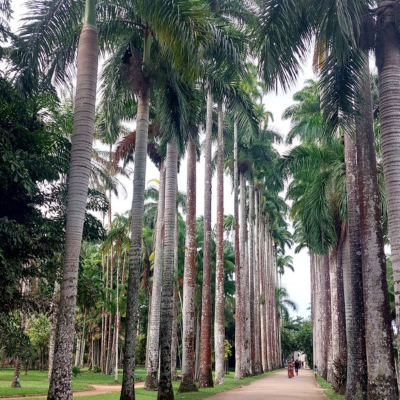
In the early morning, guides lead small groups through the forested paths of the Rio de Janeiro Botanical Garden to spot birds native to the Atlantic Forest. Toucans, tanagers, and parakeets are among the species you might see, sometimes with Christ the Redeemer appearing above the treetops.
Birdwatching walks are usually scheduled in the early morning, and the latest program can be found on the Botanical Garden’s official website.
The Botanical Garden is just one of the many green spaces worth exploring in Rio. My complete guide to Rio de Janeiro’s tourist attractions includes more parks, gardens, and natural areas that many visitors don’t even know exist.
Join capoeira and dance classes at the MAM pilotis
Rio’s cultural life often unfolds in public spaces, where music, movement, and tradition naturally become part of everyday life.
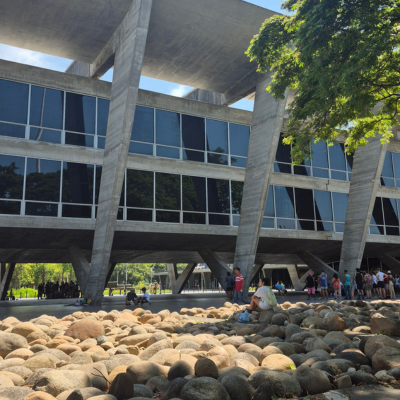
Under the modernist pilotis of the Museum of Modern Art (MAM), groups gather for capoeira, dance classes, and other cultural activities, with Guanabara Bay and Flamengo Park as the backdrop.
On Saturday mornings, the sound of the berimbau echoes through the open space as capoeira players form a roda beneath the building’s striking architecture. Around them, other activities often unfold at the same time, from dance classes to percussion workshops.
What makes the experience special is that you don’t necessarily have to stand on the sidelines and watch. Depending on the activities taking place that day, you may be able to join a class and experience a side of Rio’s cultural life that most visitors never discover.
The spontaneous mix of music, movement, architecture, and people turns the MAM pilotis into one of the most unique cultural scenes in Rio.
Go surfing surrounded by the Atlantic Forest at Prainha
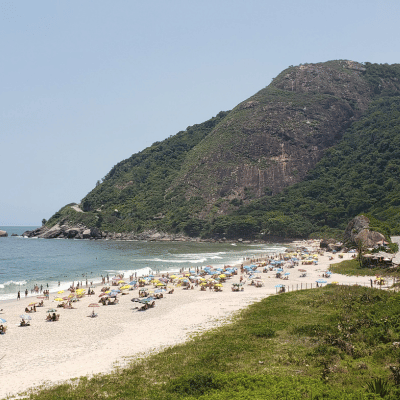
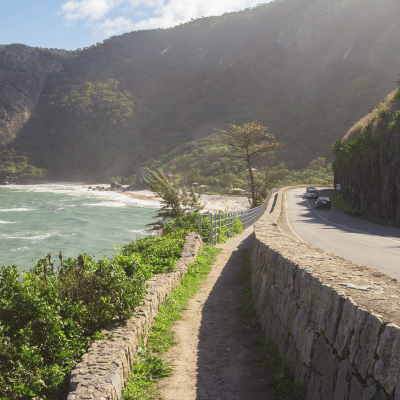
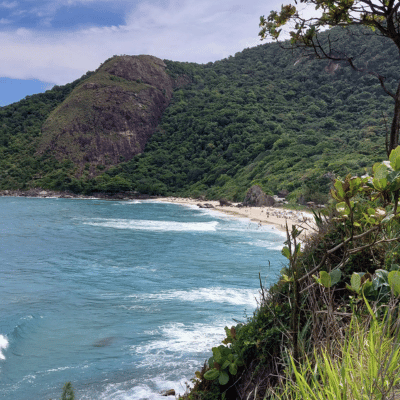
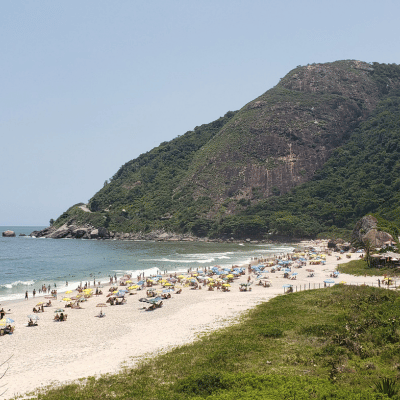
Prainha is often considered one of the most beautiful beaches in Rio de Janeiro, but it is also one of the city’s most iconic surf spots.
The approach itself is unforgettable, with a scenic road that reveals the small bay from above before descending toward the sand. Surrounded by mountains and Atlantic Forest, surfing here feels completely different from catching waves along the busy beaches of the South Zone.
Rio has surfable waves year-round, but conditions change with the seasons. Autumn and winter, from April to September, bring stronger south swells and more powerful waves, while summer generally offers smaller conditions that can be better suited to beginners. If you’re new to surfing or don’t have your own equipment, booking a lesson is one of the easiest ways to try it.
And even if you don’t surf, this part of Rio’s coastline is worth discovering. My guide to Prainha and Rio’s hidden beaches covers everything you need to plan a visit, along with other beaches that show a wilder and less developed side of the city.
Visit Ilha Fiscal and discover a piece of Rio’s history
Ilha Fiscal is one of those places many visitors see from a distance without realizing they can actually visit.
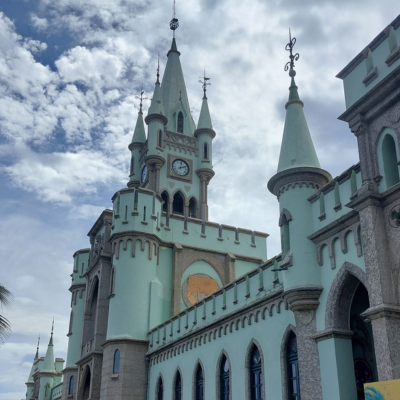
Built as a customs post at the entrance to Guanabara Bay, the small neo-Gothic palace played a role in Rio’s development as an important port city. It later became part of Brazilian history for a completely different reason: in 1889, it hosted the last major ball of the Brazilian Empire, just days before the country became a republic.
Today, Ilha Fiscal can be visited on guided tours organized by the Brazilian Navy through its Cultural Center. The experience offers a closer look at the building’s architecture and interiors while revealing a chapter of Rio’s history that many visitors know little about.
Depending on the day and operation, access to the island may be by boat or bus, and the visit can also be combined with other attractions managed by the Navy, including a historic ship.
For anyone interested in architecture and history, Ilha Fiscal offers something very different from Rio’s better-known attractions: a small island in Guanabara Bay where the city’s maritime and imperial past come together.
Have lunch on Gigoia Island
Gigoia Island offers one of the most unexpected escapes from Rio’s busy streets. Hidden among the lagoons and canals of Barra da Tijuca, the island has no cars and can only be reached by boat.
Getting there is part of the experience. You can take one of the small boats from the deck near Barra Point and cross directly to the island, then explore its narrow streets and choose one of the waterfront restaurants for lunch.
One of the most famous dining experiences in the area is Ocyá, known for its creative seafood dishes and aged fish. The restaurant sits on a neighboring island and is also reached by boat, making the journey almost as memorable as the meal itself.
If you have more time, I also recommend taking a boat tour through the small archipelago instead of simply crossing to the island. The route explores the canals, mangroves, and surrounding islands, offering a completely different view of a part of Rio that many visitors never discover.
You can visit Gigoia Island independently by taking one of the local boats from Barra da Tijuca. However, navigating the different routes and negotiating prices with local boat operators isn’t always straightforward, especially if you don’t speak Portuguese. If you want to explore more of the archipelago, booking a guided boat tour can make the experience much easier.
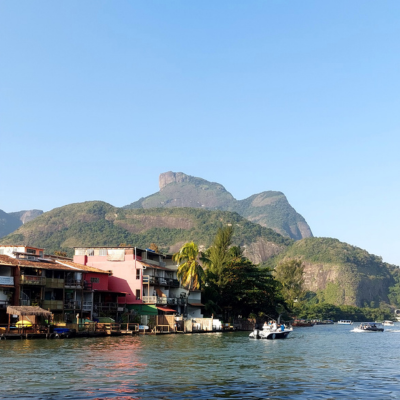
Swim in a waterfall in Tijuca Forest
Few visitors expect to find waterfalls in the middle of Rio de Janeiro, but Tijuca Forest offers several places where you can cool down surrounded by the Atlantic Forest without ever leaving the city.
Some waterfalls are relatively easy to reach, while others can be combined with hiking trails and a longer day exploring the forest. The experience is especially refreshing during Rio’s warmer months, when escaping the heat under the shade of the forest is an attraction in itself.
Keep in mind that conditions can change after heavy rain, so always check local conditions before heading out and avoid entering the water during or immediately after storms.
If you prefer to explore with someone who knows the area, guided tours can combine waterfalls with trails, viewpoints, and other parts of Tijuca Forest.
Sunset at Mureta da Urca
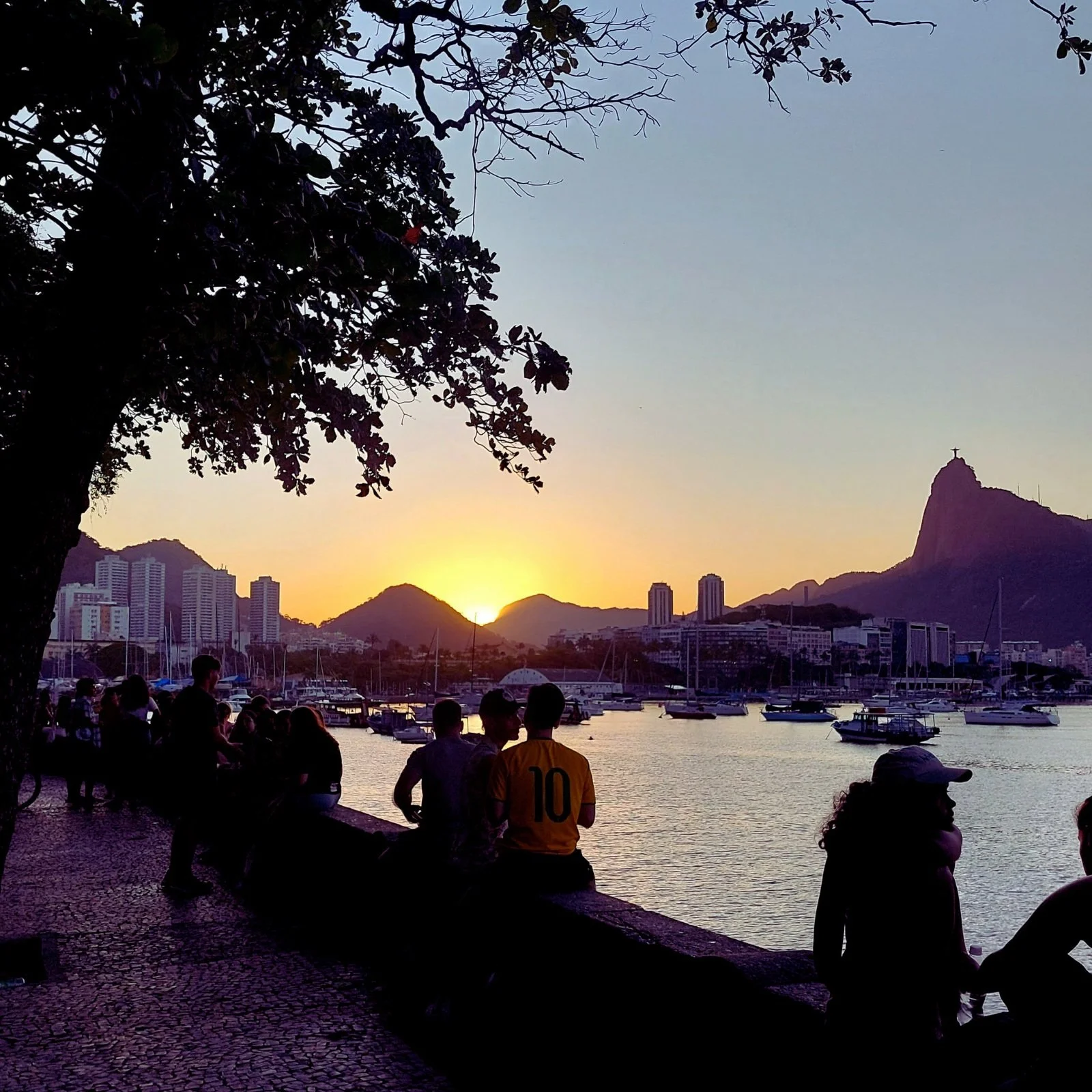
In the late afternoon, locals gather along Mureta da Urca, a low seawall facing Guanabara Bay, to watch the sun disappear behind the mountains.
Many people stop at the nearby bars to grab a cold beer and some snacks before finding a spot along the wall. Simple, relaxed, and social, it is one of the most Carioca rituals in the city.
There is no ticket to buy, no tour to book, and very little planning involved. Just arrive before sunset, find a place to sit, and watch the city slowly change as the lights come on across the bay.
Experiences like this are a reminder that some of the most unique things to do in Rio de Janeiro are often the simplest ones.
Keep exploring Rio de Janeiro
🗺️ Plan your days in Rio
Not sure how to fit everything into your trip? Explore my Rio de Janeiro itineraries for ideas on how to organize your days and make the most of your time in the city.
🌙 Discover Rio after dark
From samba and live music to bars and late-night experiences, my guide to nightlife in Rio de Janeiro will help you decide where to go after the sun goes down.
🏖️ Find beaches worth the journey
Want to explore beyond Rio’s most famous stretches of sand? Discover my favorite beaches with incredible views in Rio de Janeiro, from dramatic mountain backdrops to wilder corners of the coastline.
Written by Karina — a born-and-raised Carioca with 12+ years in the tourism industry. She created Going to Rio to share the city the way locals actually live it. Learn more about Karina
