

Sunrise stand up paddle in Rio de Janeiro: Copacabana vs Urca (+ other places to paddle)
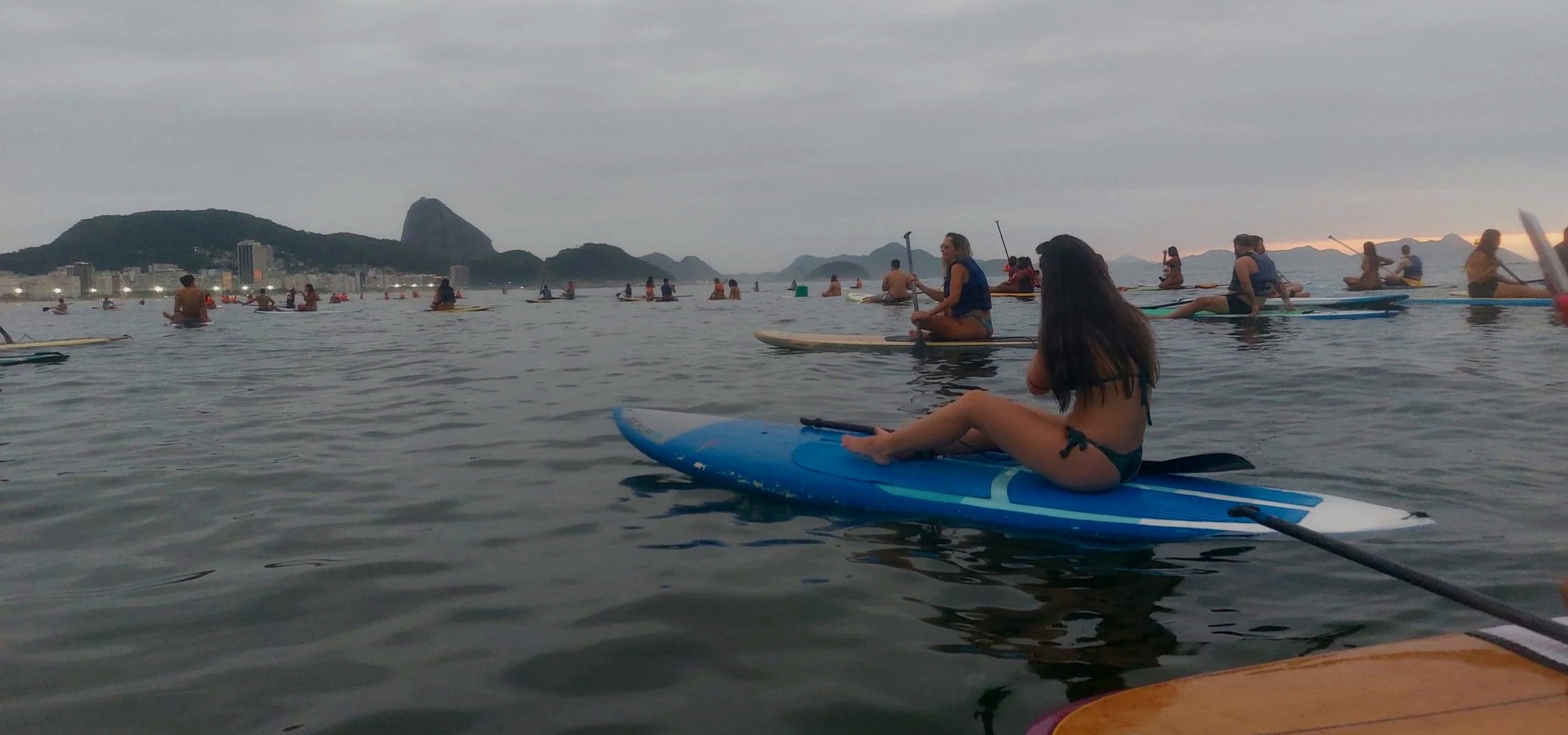
I love sunrises, and Rio de Janeiro truly shines in the early hours. The city feels different before it wakes up, quieter, softer, and somehow more itself.
So when I first heard about sunrise stand up paddle in Rio de Janeiro, it felt like the perfect combination: two of my favorite things at once.
I've now done it twice, in two different spots, Copacabana and Urca, and the experiences couldn't be more different. Both are worth doing, but for completely different reasons.
This is my honest take on both, as someone who lives here and keeps coming back to the water.
If you're short on time, here's my answer: I'd choose Urca. The scenery is unbeatable, the water is calmer, and the experience feels much more relaxed.
That said, Copacabana has its own charm and is easier to book, especially for international visitors.
This post contains affiliate links. If you book through them, I may earn a small commission at no extra cost to you.
Sunrise SUP in Rio de Janeiro at a glance
🌅 Best scenery: Urca — Pão de Açúcar and Guanabara Bay from the water
👥 Crowds: Copacabana is significantly busier; Urca is quieter and more intimate
🌊 Calm water: Urca wins — the beach is more protected, with lower wind risk and fewer cancellations
🚕 Getting there safely: Urca — you can walk if you are there; Copacabana requires an Uber before dawn
🛟 Safety level: Both have full briefing, instructors in the water, safety support
📸 Photos and drone footage: Copacabana and Urca operators offer photos and videos
🎟️ Booking: Copacabana has operators on Viator; Urca requires finding a local operator directly
⭐ My pick: Urca for the scenery and tranquility; Copacabana if you want to share the moment
Sunrise SUP in Copacabana: what it's really like
Before you get in the water
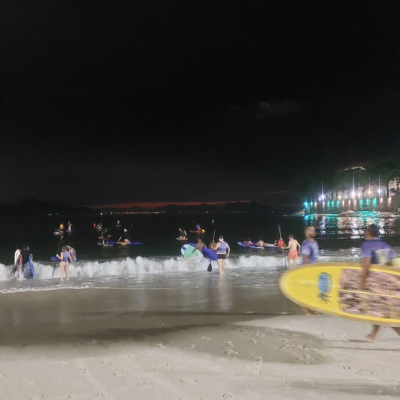
The experience starts earlier than you'd expect and still in the dark. The briefing happens on the beach before the first light arrives, covering the equipment, safety instructions, and how to handle the board.
Everything is explained in three languages: English, Spanish, and Portuguese, which makes it genuinely accessible to international visitors.
There's a locker where you leave your belongings, so you go into the water with nothing but your swimwear, barefoot, and a waterproof phone lanyard around your neck, which was included as a gift when I booked.
Getting in the water
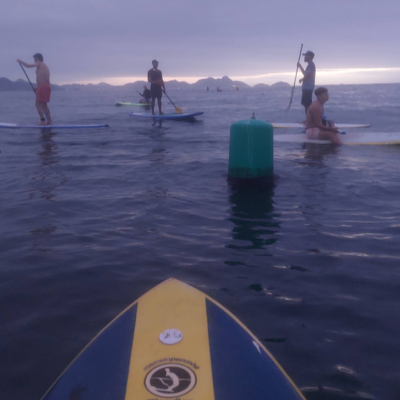
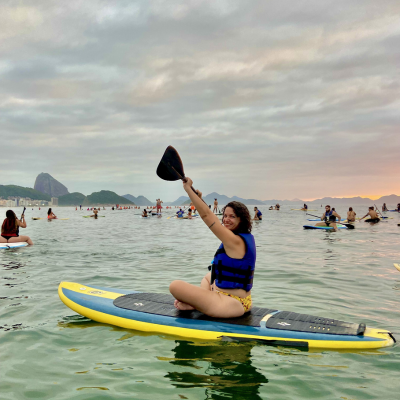
As the first rays of light start to appear, the instructors carry the boards to the water and help you get on. The water is calm at that hour, and the instructors stay close to assist.
I'll be honest: I spent the entire session sitting on the board. I never stood up, and that didn't make the experience any less enjoyable. If balance is a concern, don't let that stop you. Plenty of people spend part or all of the session seated.
The route follows the shoreline in the direction of Forte de Copacabana, roughly to the end of the fort, where the group waits for the sunrise together on the water. There's something genuinely special about watching the city wake up from the ocean.
The sunrise (and managing expectations)
The sunrise is not guaranteed. The day I went, the sky was partially covered with clouds, and the sun came up diffused rather than dramatic. It was still worth it because being on the water at that hour, in that light, with the city in the background, is an experience in itself regardless of the sky conditions.
But if you're hoping for a postcard-perfect sunrise, know that Rio's weather doesn't always cooperate, even in winter.
Photos and drone footage
The operators take photos and drone footage throughout the session, which are shared by email at the end of the day. If you want to come back with images that actually capture the experience, this is a significant advantage over doing it independently.
What to watch out for
Crowds. There are around four SUP operators running sessions on Copacabana beach in the mornings, which means a significant number of people on the water at the same time.
During summer and Carnival season, this gets noticeably busier. If you're expecting a quiet, intimate experience, Copacabana in peak season is not that.
Getting there safely. The session starts early and it’s still dark when you arrive. Walking through Copacabana at that hour is not something I'd recommend depending on where you're staying.
I went by Uber even though I was only a few blocks away. It's inexpensive, easy to get at that hour, and the option I'd choose again. If it's your first time in the city, my guide to staying safe in Rio de Janeiro explains why.
Motion sickness. The gentle rocking of the board can cause nausea for some people. If that happens, the instructors suggest going into the water for a quick swim to reset but be aware that getting back onto the board afterwards is not so easy.
If you're prone to motion sickness on boats or similar, it's worth keeping this in mind.
Important: You should be comfortable in the water and swimming is recommended. The activity is done wearing a life jacket throughout, but familiarity with the ocean helps.
Like any outdoor activity in Rio, it can be cancelled due to adverse weather conditions, particularly strong winds.
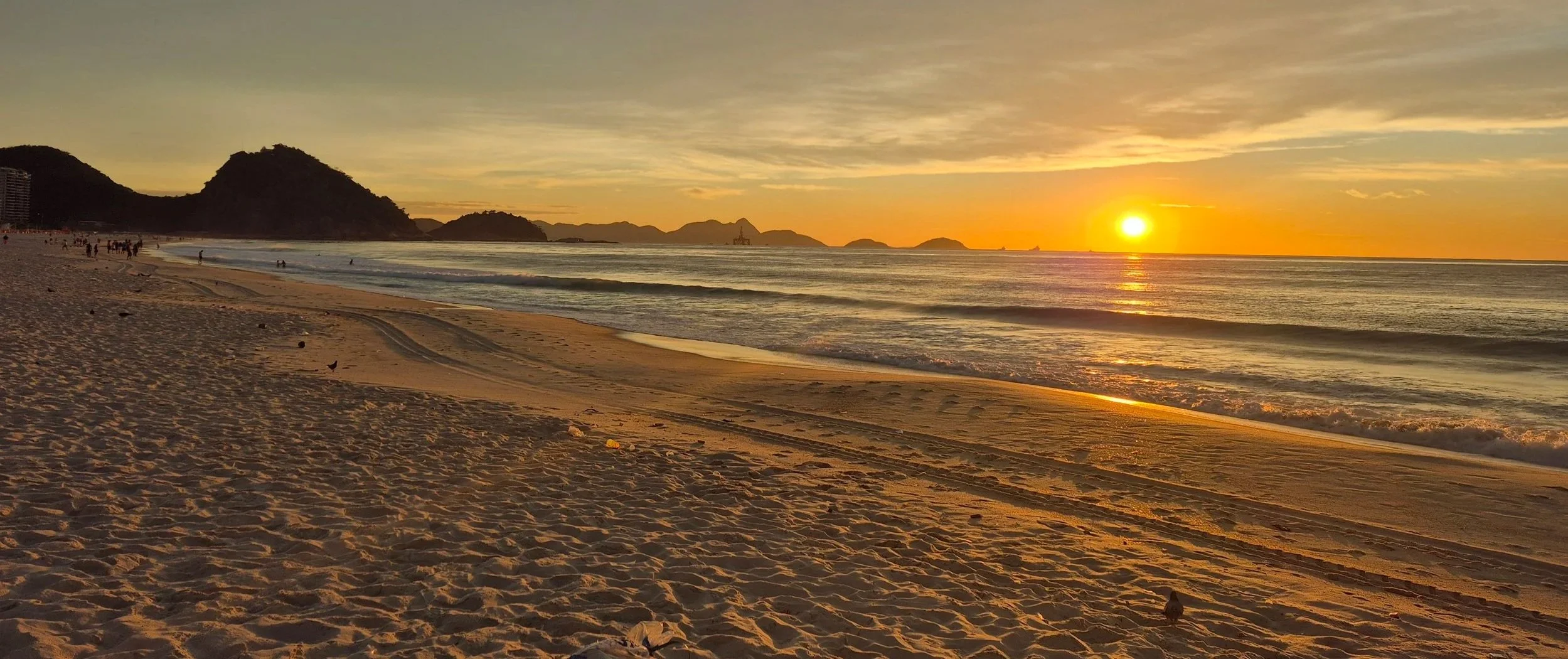
Copacabana on a clear sunrise. My visit was cloudier than this, proving that every morning in Rio is a little different.
Ready to paddle?
If Copacabana sounds like the right choice for you, it's worth booking in advance. Sunrise sessions have limited spots and can sell out during weekends and holidays.
Sunrise SUP in Urca: Why I'd go back
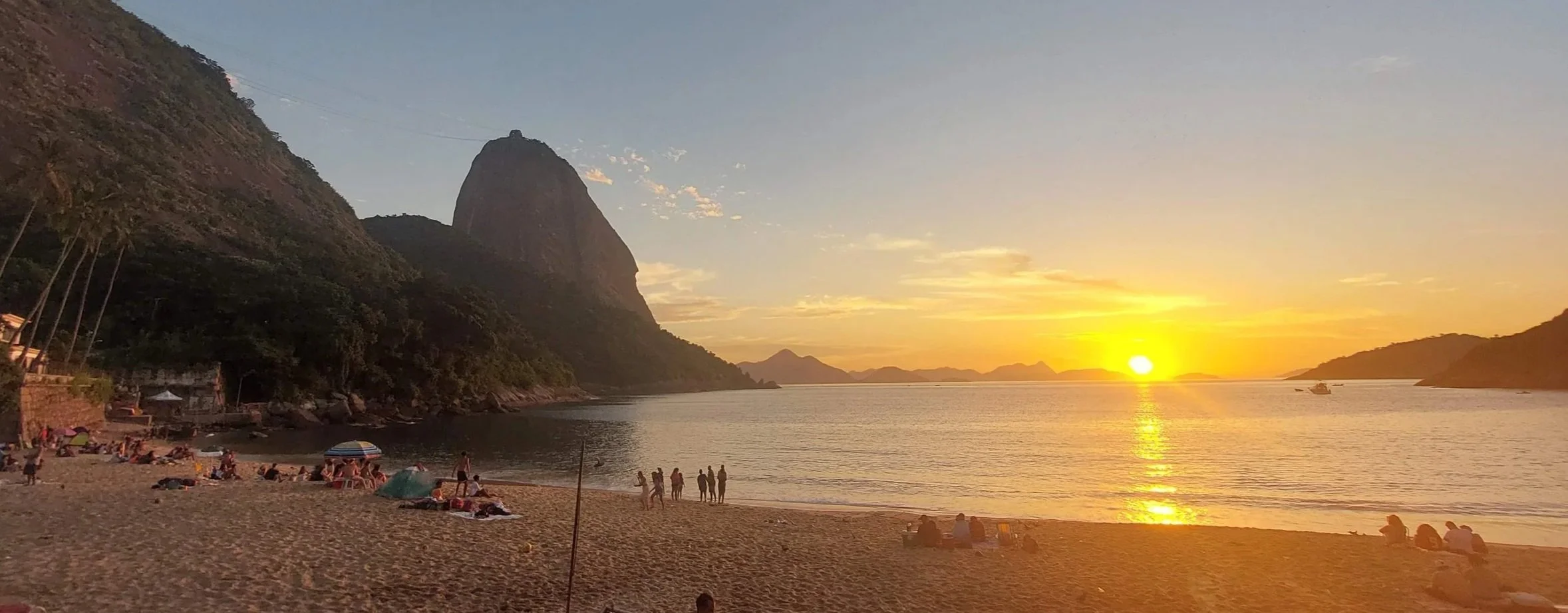
Urca is a different experience, and the difference starts before you even get in the water.
The neighbourhood is one of the safest in Rio, so walking to the beach before sunrise feels relaxed and easy. Praia Vermelha sits between the bay and the open ocean, which means the water is more protected and usually calmer than Copacabana.
The main argument for Urca, though, is the scenery. Paddling with Sugarloaf Mountain rising directly above you feels far more intimate than paddling in Copacabana, where the view opens onto the Atlantic. For me, that's the difference that matters most.
There are fewer people on the water too, since the SUP scene in Urca is smaller, which makes the experience feel more personal. I don't have an affiliate link for Urca operators, and I want to be upfront about that: I'm recommending it because I'd go back, not because there's a commercial reason to do so.
I don't have any photos from the paddle itself because I didn't bring a waterproof case for my phone. Looking back, I wouldn't change it. That morning became one of those rare travel moments that felt better experienced than documented.
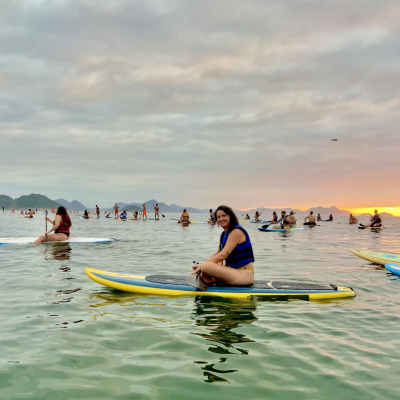
The sunrise photo below was taken on another morning. I keep coming back to Urca whenever I get the chance to watch the sunrise, and it captures the same peaceful atmosphere that made this experience so memorable.
Which sunrise SUP in Rio de Janeiro is right for you
Choose Copacabana if:
You're already staying in Copacabana or Ipanema and want the sunrise moment from the ocean
You don't mind sharing the water with other groups
Choose Urca if:
The scenery is your priority — Sugarloaf Mountain right besides you is hard to beat
You prefer a quieter, less crowded experience and more protected water
You're comfortable finding a smaller local operator directly
If I could only do one sunrise SUP in Rio again, I'd choose Urca without hesitation. The combination of calmer water, fewer crowds, and the views of Sugarloaf Mountain makes it one of my favourite experiences in the city. But if you're staying in Copacabana or Ipanema, don't overthink it. Watching Rio wake up from the water is memorable either way.
Best time for sunrise SUP in Rio de Janeiro
While sunrise SUP is available year-round, some months offer better conditions than others.
Winter (June to August) usually brings calmer seas, lower humidity and a higher chance of clear skies, making it one of the best times for this experience.
Summer, on the other hand, offers warmer water but also comes with a greater chance of afternoon storms, stronger winds and occasional cancellations.
No matter the season, remember that sunrise is never guaranteed. Cloud cover can completely change the colours of the sky, but paddling on the water as Rio slowly wakes up is memorable even without a dramatic sunrise.
If you're looking for more peaceful places to watch the sunrise, you might also enjoy my guide to the best sunrise spots in Rio.
Other places to do Stand up paddle boarding in Rio de Janeiro
Sunrise SUP in Copacabana and Urca is the most popular experience, but Rio offers much more than that. Depending on what you're looking for, you can paddle through mangroves, explore protected bays, or even discover quiet stretches of coastline far from the city's busiest beaches.
🌴 Barra da Tijuca
Unlike Copacabana and Urca, this experience takes place in the calm canals of Barra da Tijuca rather than in the open ocean.
It's an excellent choice for beginners or anyone looking for a relaxed paddle without waves. The peaceful surroundings make it easy to focus on learning the basics while enjoying a quieter side of Rio that's far removed from the city's busiest beaches. Book a SUP experience in Barra da Tijuca →
🌿 Mangrove paddleboarding
One of the most unusual SUP experiences in Rio takes place in the mangroves of the city's west side. Instead of paddling in the open ocean, you'll glide through calm natural channels surrounded by mangrove forests before visiting preserved beaches and spotting wildlife such as capybaras and caimans from a respectful distance.
If you've already done ocean SUP elsewhere, this offers something completely different. Explore the mangroves by paddleboard →
Looking for a different way to experience Rio from the water?
A sunset sailing tour offers a completely different perspective of the city, with views of Sugarloaf, Christ the Redeemer and Guanabara Bay as the sun goes down. If waking up before dawn isn't your thing, it's one of my favourite alternatives.
See my favourite unique things to do in Rio.

Written by Karina
Born and raised in Rio de Janeiro, Karina spent over a decade working in the tourism industry, with experience in some of the world's leading travel destinations. She created Going to Rio to bring that same standard of practical, traveler-first guidance to visitors exploring Rio de Janeiro. Learn more about Karina
