

Winter in Rio de Janeiro: Why the "off-season" is the best time to visit
Most people assume Rio de Janeiro shuts down in winter. It doesn't.
Winter in Rio de Janeiro is actually the city's best kept secret. While the rest of the world pictures Rio as a city of endless summer, locals know that June to September might actually be the best time to visit.
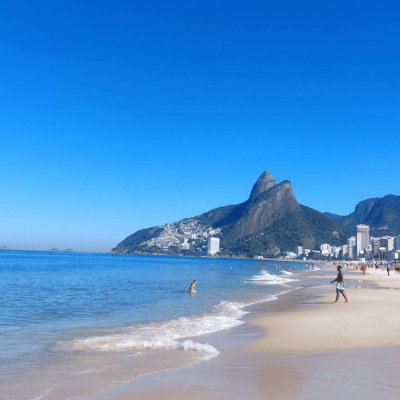
Winter is Rio's driest season which means fewer rainy days, clearer skies, and temperatures that make the city genuinely comfortable to explore. Not too hot, not too cold. Just the kind of weather where you can actually enjoy the beaches instead of melting on them.
Hotel rates drop, the crowds thin out, and somewhere offshore, humpback whales start making their way up the coast. I grew up in Rio. And if I'm being honest, winter is my favourite season here.
Why visit Rio de Janeiro in the winter?
Fewer crowds, more space
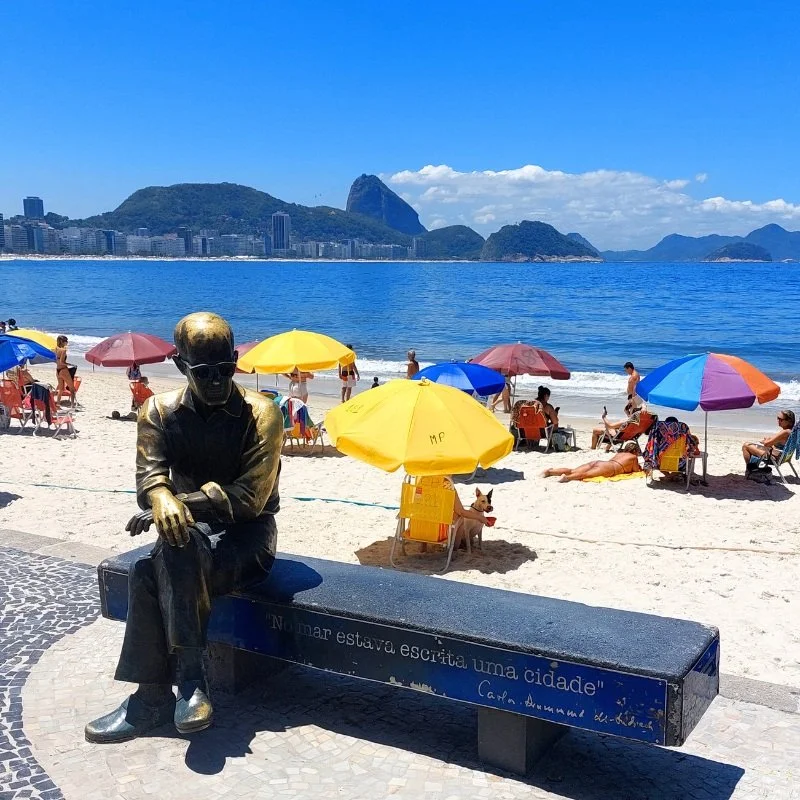
Winter brings a slower pace to Rio. Christ the Redeemer, Sugarloaf, and the main beaches are quieter than in summer and the difference is noticeable. You get space on the sand, shorter queues, and a city that feels more like itself.
July is the exception. School holidays bring Brazilian families to Rio, and popular spots fill up again. If your trip falls in July, arriving early at busy attractions makes a real difference.
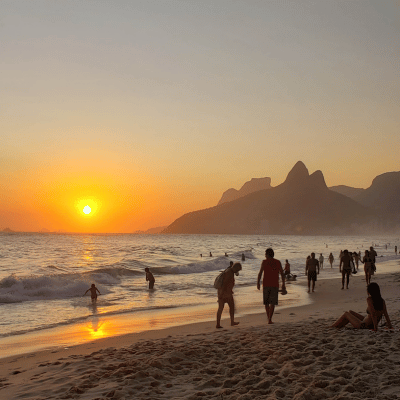
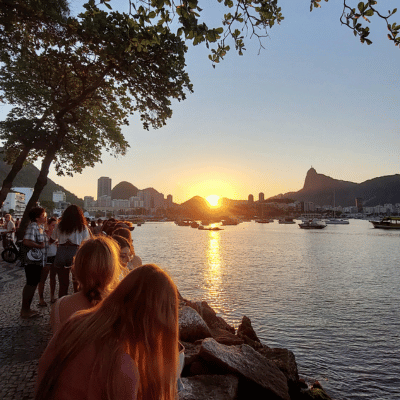
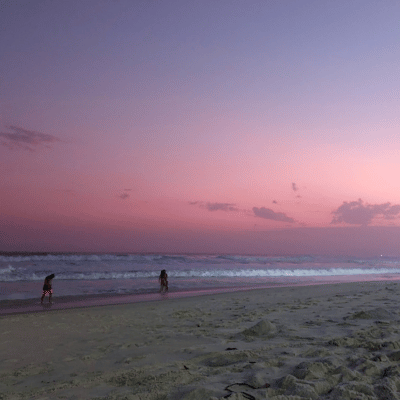
Winter is the season Rio's sunrises and sunsets were made for
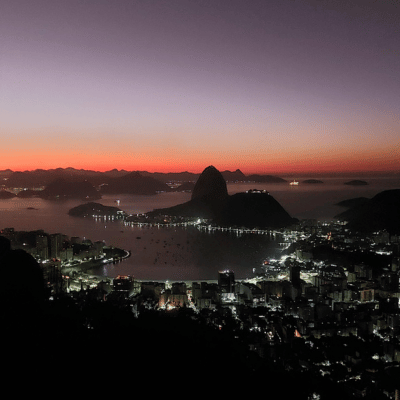
The lower humidity in winter means clearer skies, and clearer skies mean better light. Sunsets from Arpoador or Sugarloaf hit differently when the air is clean, and winter mornings are some of the best conditions of the year for sunrises. Less cloud cover, sharper colors, and a city that's still quiet when the sun comes up.
These guides cover the best spots to watch the sunset and the best places to catch the sunrise in Rio.

Dry trails and clear forest views
Winter's low humidity does more than clear the skies, it makes Rio's hiking trails and forest roads genuinely comfortable to explore. The Pedra da Gavea hike and climb into Tijuca Forest, brutal in summer heat, becomes one of the best things to do in the city once the air cools down. I rode it myself on an e-bike tour through Tijuca Forest and wrote about exactly what to expect.
No Carnival, but a different kind of festive
Winter doesn't have New Year's Eve or Carnival, but the city doesn't go quiet. Festa Junina runs through June and July with forró music, traditional food, and street parties across neighborhoods. The Festival de Inverno do Rio brings Brazilian artists to Marina da Glória in one of the city's best outdoor settings. And in September, Rock in Rio, one of the largest music festivals in the world, held at Cidade do Rock in Barra da Tijuca, returns.
Winter 2026 also coincides with the FIFA World Cup, and if you know Brazilians, you know the streets transform on match days with flags everywhere, bars packed, and the kind of collective energy that's hard to find anywhere else in the world.
And the samba never stops. The city's samba clubs and rodas de samba run year-round — if anything, winter is when you'll find them at their most authentic, without the Carnival crowds. This guide covers the best places to experience samba in Rio.
Come August, samba school rehearsals (ensaios) kick back into gear too, giving you a high-energy, behind-the-scenes look at next year's Carnival preparations. Here's our guide to catching a samba school rehearsal.
The unexpected bonus: whale watching
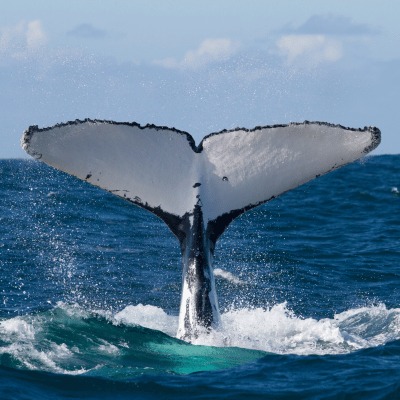
Between June and November, humpback whales migrate along Rio's coast and most visitors have no idea this is even possible. Boat tours depart from Marina da Glória, in the South Zone, and from Barra da Tijuca, usually at dawn. Sightings peak between June and August, when the whales are most active along this stretch of coastline.
It's one of those experiences that feels completely out of place in a city famous for its beaches and nightlife, and that's exactly what makes it worth doing.
Explore Rio's winter month by month
Each month has its own rhythm, events, and reasons to visit. These guides go deeper into what to expect:
Rio de Janeiro in June — Festa Junina, the start of whale season, and World Cup energy in 2026.
Rio de Janeiro in July — School holidays, outstanding sunrises and sunsets and whale watching at its peak.
Rio de Janeiro in August — The quietest and driest month, ideal for hiking and beaches without the crowds.
FAQ - Winter in Rio de Janeiro
Is winter a good time to go to the beach in Rio?
Yes. The water is cooler than in summer but still swimmable for most visitors, and the weather is comfortable rather than intense. Beaches are quieter on weekdays, busier on weekends and during July school holidays.
Is Rio cheaper to visit during winter?
Generally yes. Hotel rates drop outside of peak periods like July school holidays and major events. Flights from Europe and North America also tend to be cheaper than in December or January. It's one of the better months for value without sacrificing the experience.
Does it rain a lot in Rio during winter?
No. Winter is Rio's driest season, with June through August seeing the least rainfall of the year. Occasional showers still happen, but they tend to be brief. August is typically the driest month. Read the full Rio weather guide.
Want help planning your winter in Rio?
I can help you put together the perfect itinerary, from where to stay to what to do each day. Let's plan your Rio trip →
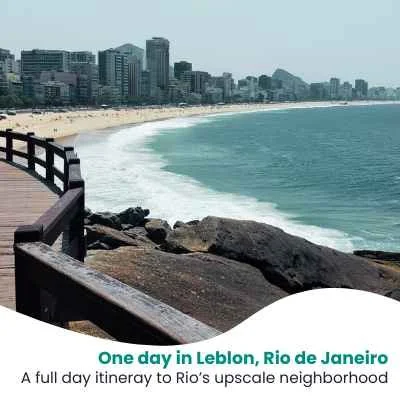

A full day in Ipanema, from a sunrise most visitors miss to samba on the sand at sunset.