

Santa Teresa, Rio de Janeiro: What to do and how to get there
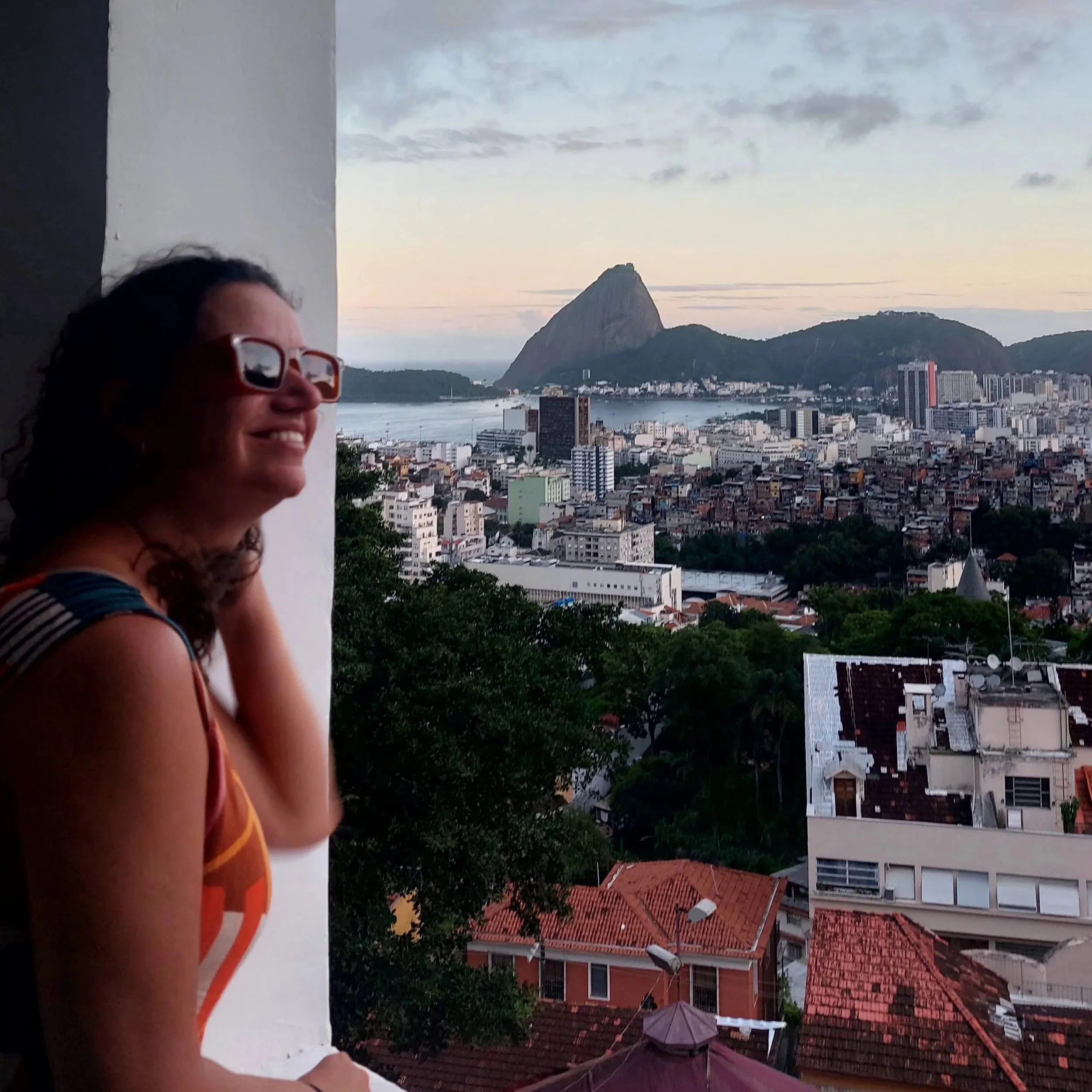
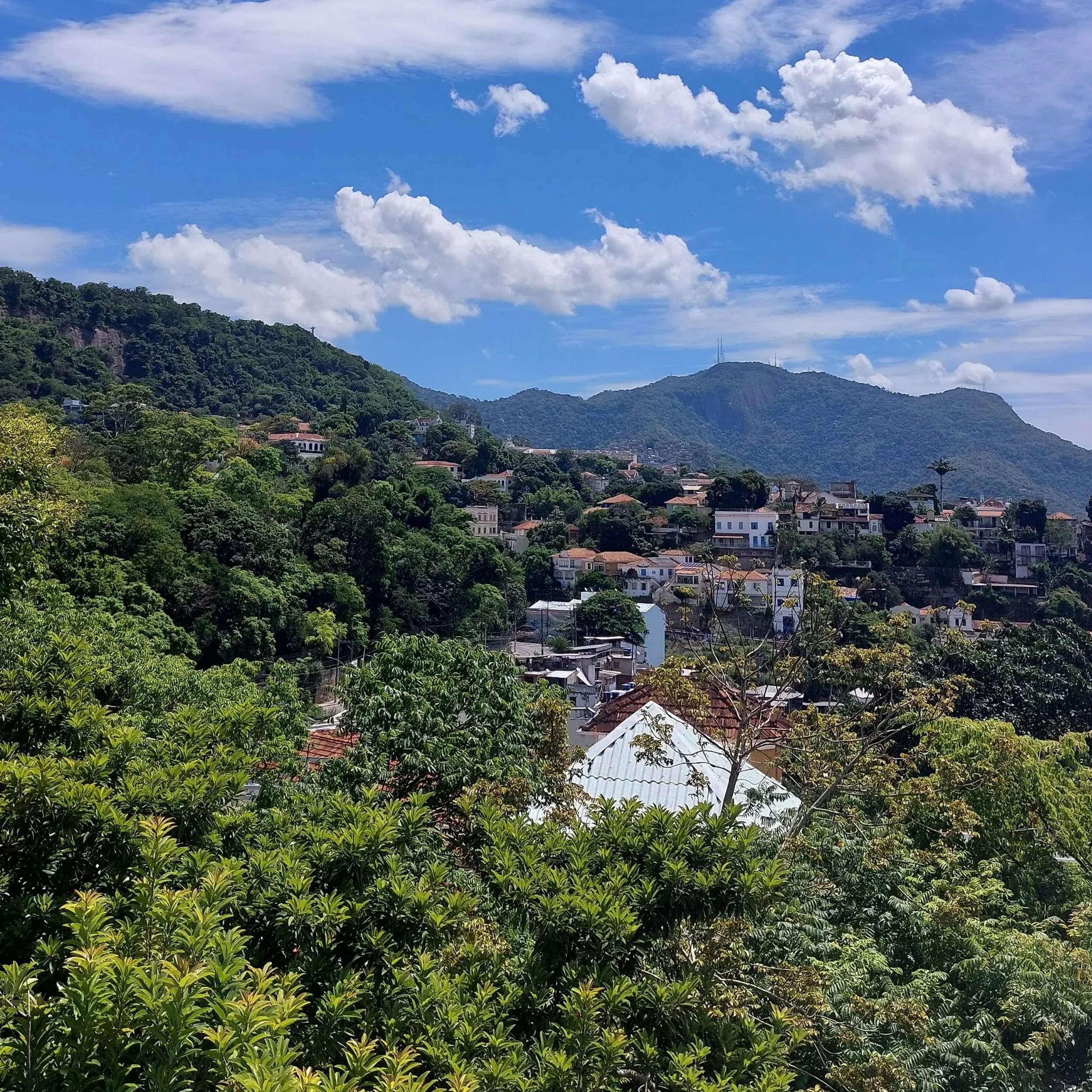
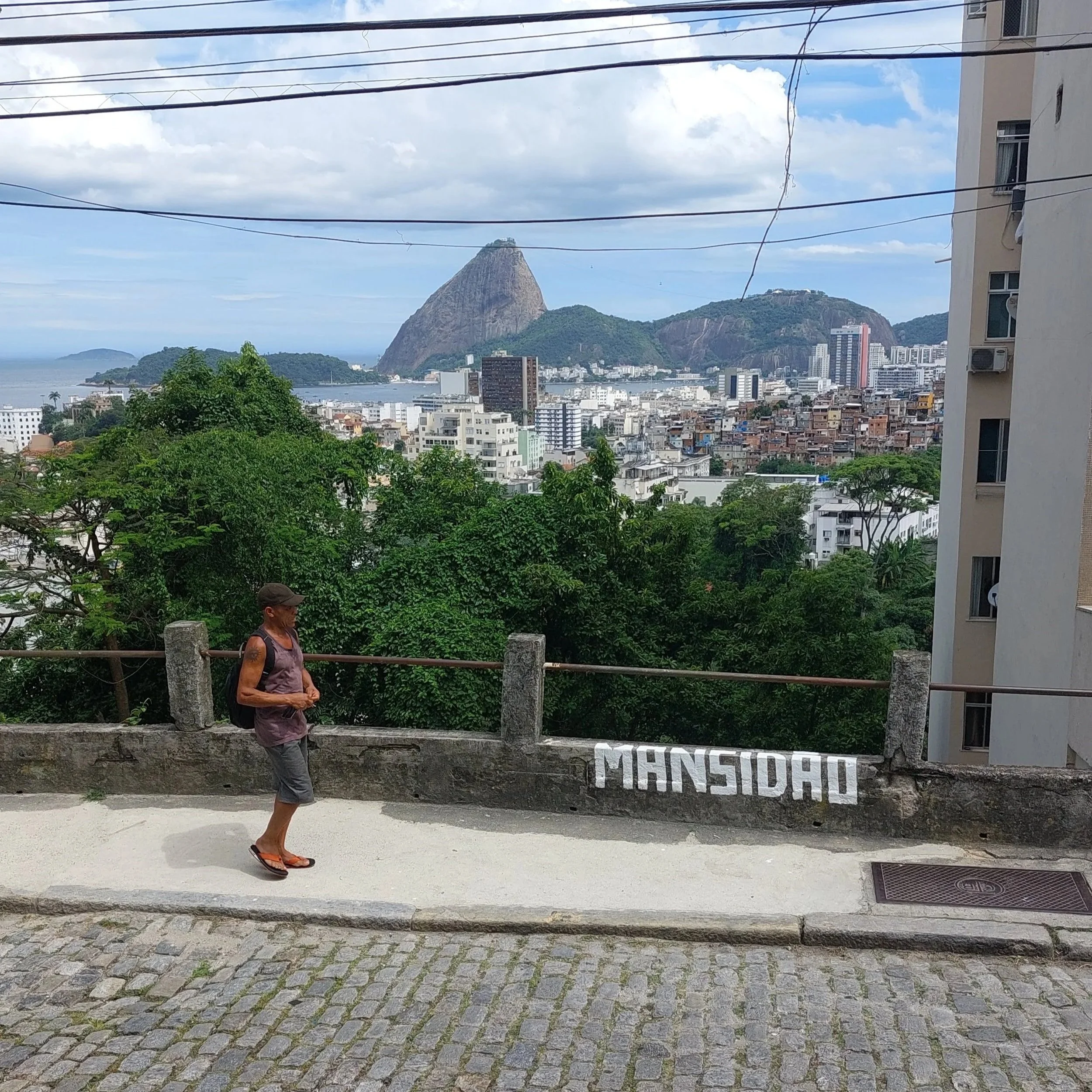
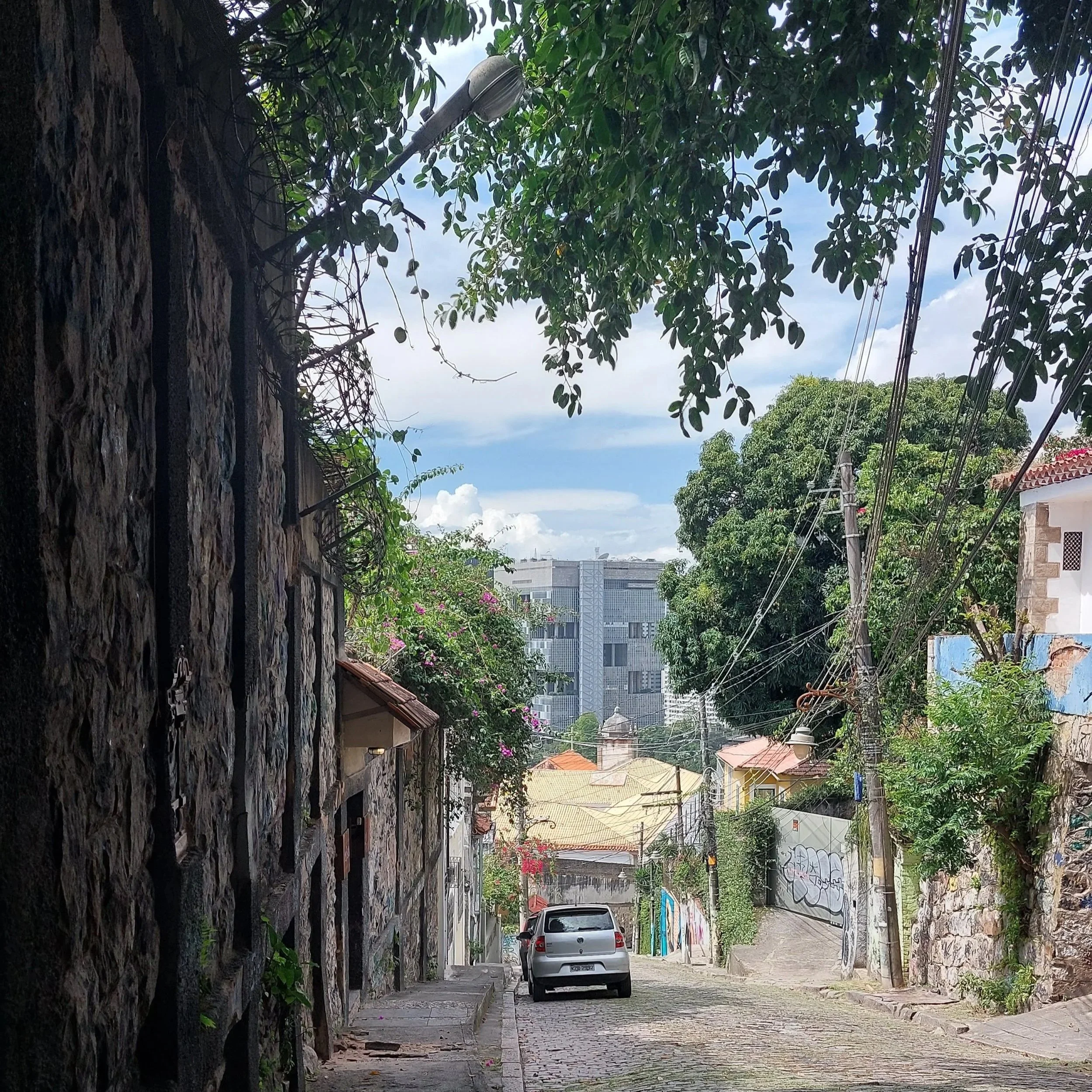
Santa Teresa sits on a hill above the rest of Rio, and it feels like it. The moment you leave the flat grid of South Zone and Downtown behind and start climbing, the city changes: cobblestone streets replace avenues, colonial mansions replace high-rises, and the ocean gives way to views over Guanabara Bay.
It's the one Rio neighborhood that isn't about the beach at all, it’s built around samba, gastronomy and art. Plus, it's wrapped by the edge of Tijuca Forest, the urban rainforest within the city, which gives the whole area a green, almost small-town feel hard to find anywhere else in the city.
This guide covers what to do in Santa Teresa, Rio de Janeiro, and how to actually get up there, since the neighborhood's hilltop location makes transportation part of the experience rather than an afterthought.
Visiting in September 2026? On Sept 19–20 & 26–27, Santa Teresa turns into an open-air gallery during Arte de Portas Abertas, when the neighborhood's art studios, cultural spaces and collectives open their doors to the public over two weekends. More details on Rio de Janeiro in September guide.
Santa Teresa, Rio de Janeiro at a glance
🏛️ Great for: colonial architecture, local art, live music, restaurants with a view, a slower pace away from the beach crowds
🎨 Vibe: bohemian, artsy, residential, closer to a hillside village than a city neighborhood
🕐 Best for: a half-day or evening trip
🚶 Getting around once you're up: on foot as most of what matters is within walking distance along a few main streets
Santa Teresa: How to get there
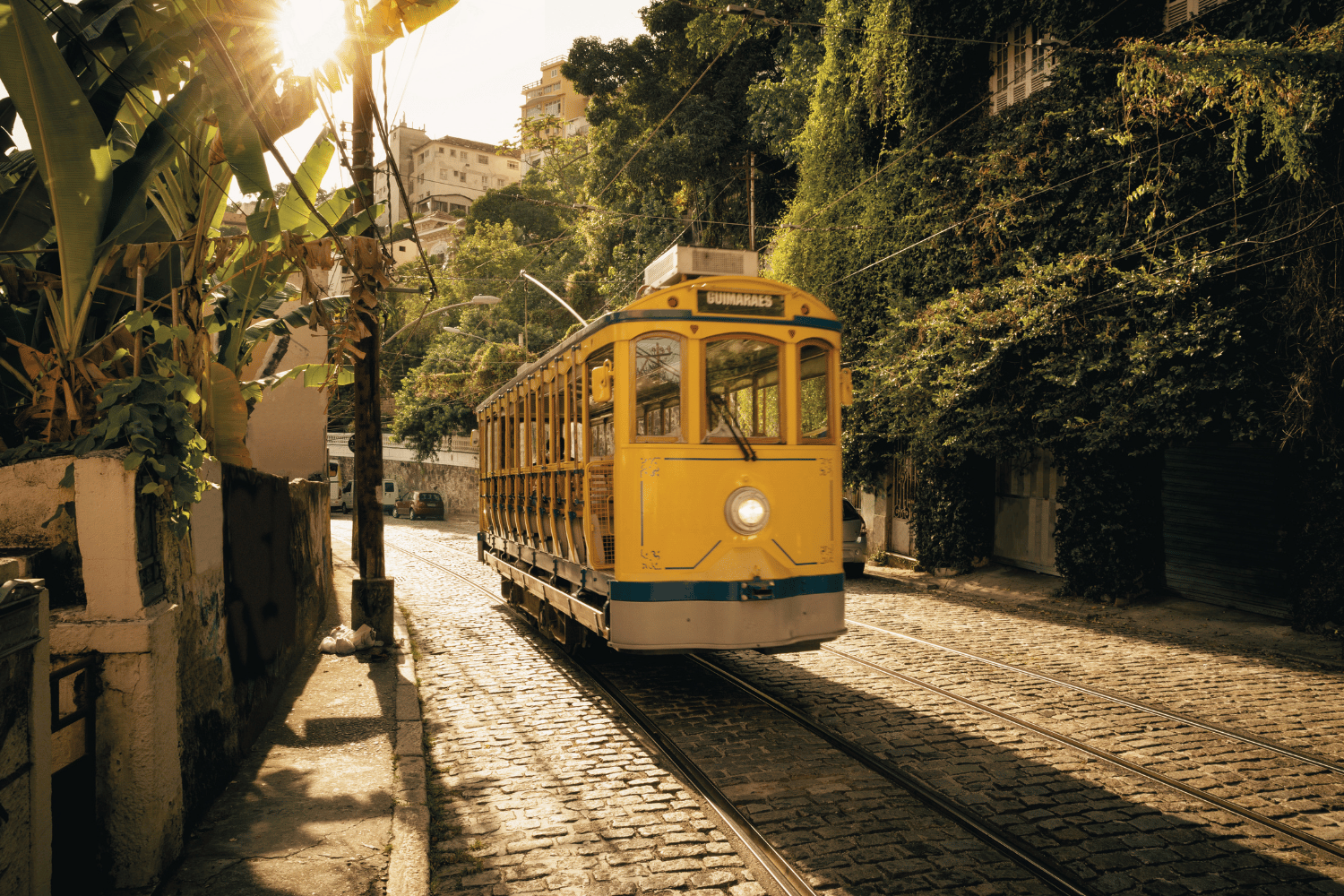
Getting to Santa Teresa is part of the experience, not just a means to it. There's no metro station up here, so you have two real options: Uber or taxi, the fastest and most straightforward way up, or the more interesting choice, the historic tram.
Walking up to Santa Teresa isn't something I would recommend. Besides the steep hills, the route would pass by areas not necessarily safe. The less risky option is the way through the Selarón steps, but this is best done on the way down. Check the suggested itinerary for Santa Teresa later in this post.
Santa Teresa Tram (Bondinho de Santa Teresa)
The most iconic way up is this open-sided yellow tram, which has connected Downtown to Santa Teresa since the 19th century. It crosses the city over the Arcos da Lapa, the old aqueduct-turned-viaduct that's a landmark in its own right, giving you an aerial view of Lapa before climbing into the hills. There's no traffic to sit in and no route to figure out, you just board and enjoy the ride.
The catch is that it's a historic, low-capacity service. It runs several times a day, but slowly, and you can expect lines at peak times. As in any historic experience, it's not to rush through it.
Santa Teresa Tram: Station, working hours and ticket price
📍 Where to board: Santa Teresa Tram Station, at Rua Lélio Gama, Downtown
(walking distance from Carioca metro station)
🛤️ Routes: The tram crosses the Lapa Aqueduct with stops at Largo do Curvelo, Largo
dos Guimarães, and Largo das Neves
🕐 Hours: Monday–Friday 8 AM–6:30 PM; weekends and holidays, 9 AM–5 PM
💰 Ticket fare: R$20 round trip, with same-day reboarding included in both directions
⏱️ Frequency: About every 15–20 minutes
Santa Teresa: How to get there by taxi or Uber
Taxi and Uber are the fastest way up, but Santa Teresa's hilly, winding streets mean it's common for drivers to reject the ride especially during high-demand hours or heavy traffic. If you're heading up for a reservation, build in some extra time to accommodate this.
During Carnival, this gets significantly worse — getting an Uber to Santa Teresa is nearly impossible at that time of year. I go into more detail on navigating that in my guide to where to stay in Rio during Carnival.
What to do in Santa Teresa
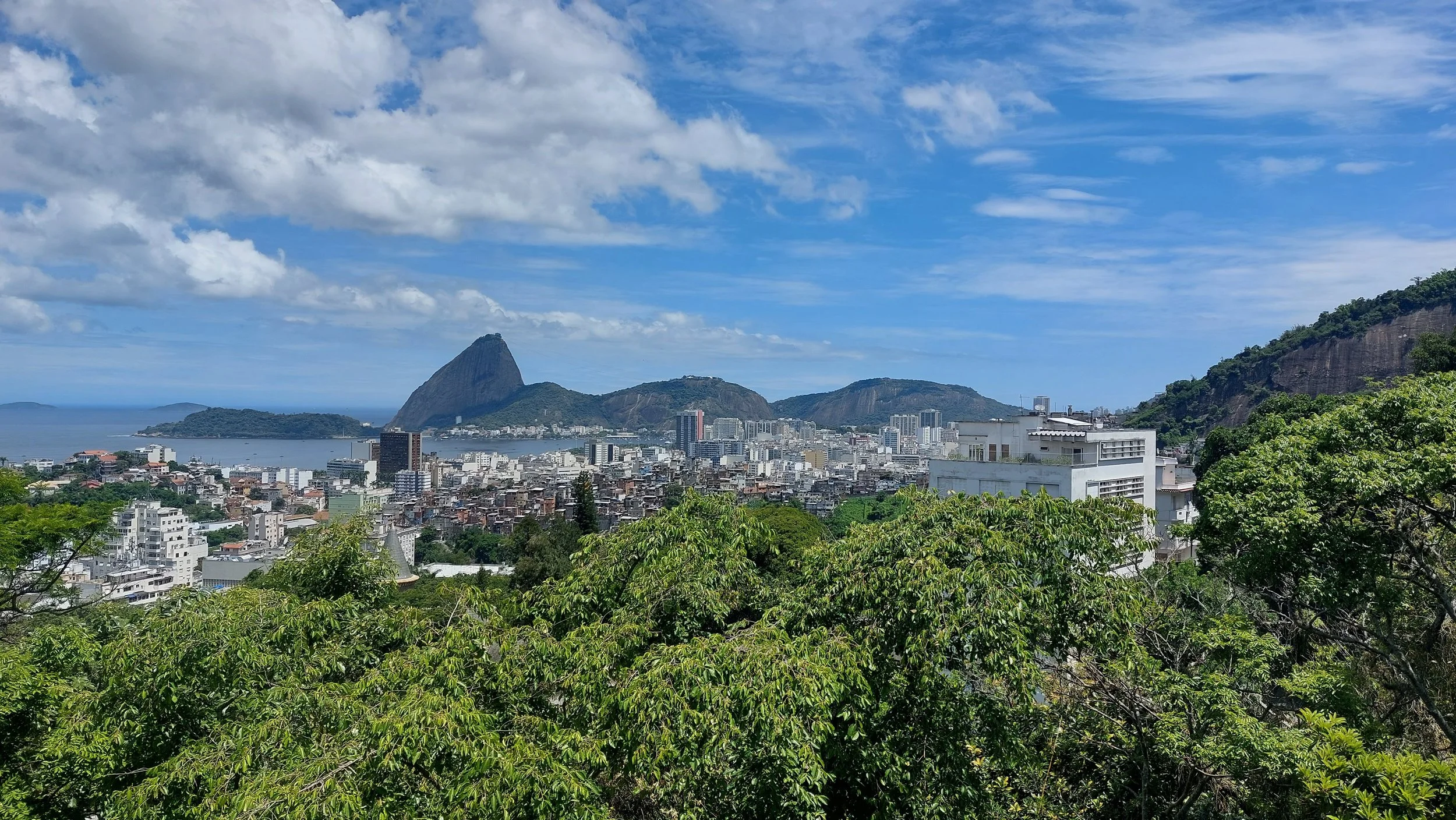
From Chacara do Ceu, one of the best views of the Bay and the Sugarloaf
Santa Teresa doesn't have one landmark pulling all the attention instead, the whole neighborhood is the attraction. Its charm is spread across colonial streets, artist studios, samba bars, and restaurants with a view, and the best way to experience it is to wander and let one lead into the next.
Here's what to prioritize:
Museums, Art and Architecture
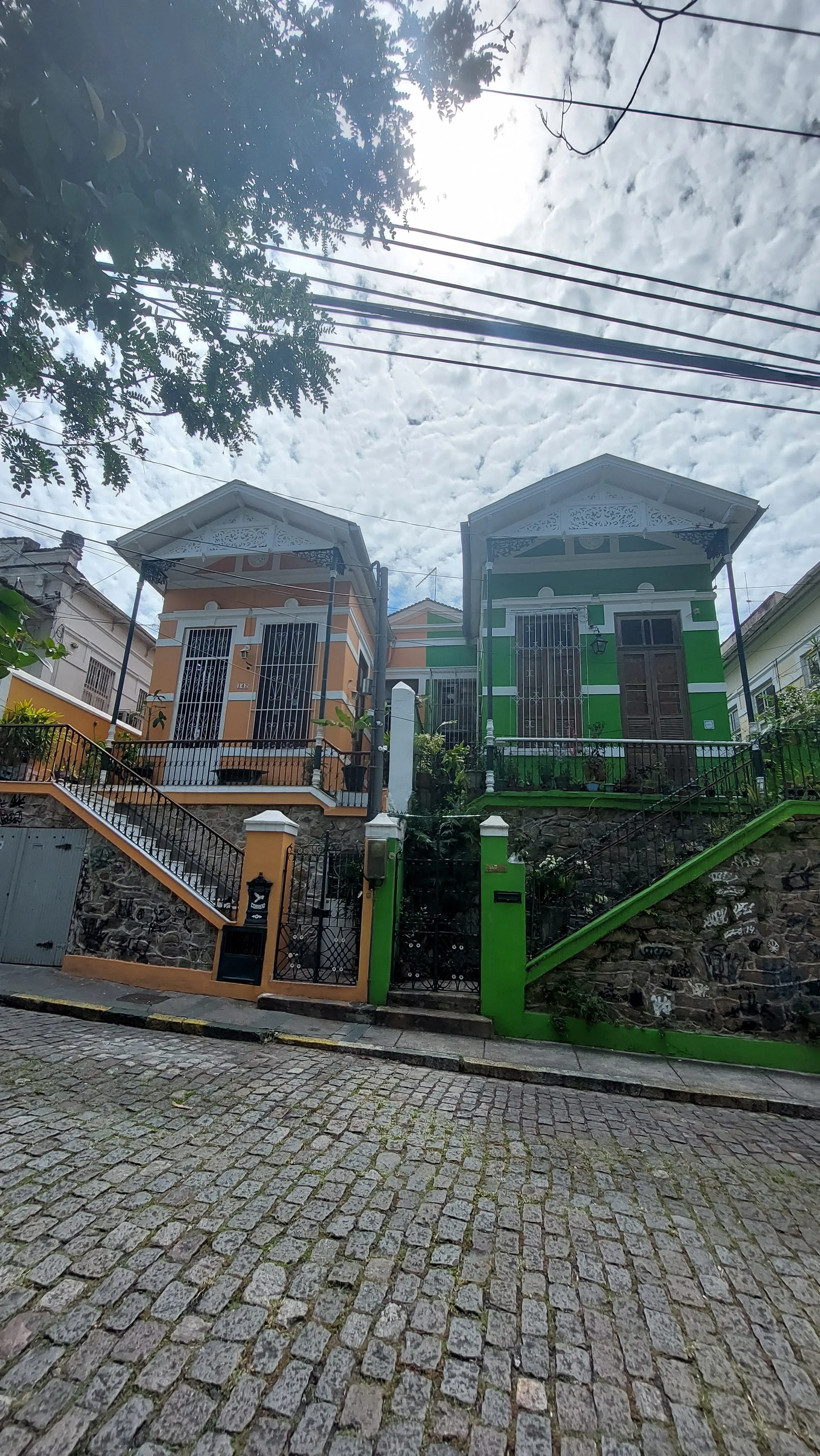
Santa Teresa's streets are the main attraction here: narrow, full of graffitis, cobbled, lined with colonial mansions in every state of preservation, from perfectly restored to charmingly crumbling. Walking around the largos and to the attractions listed in this post is the best way to take it all in.
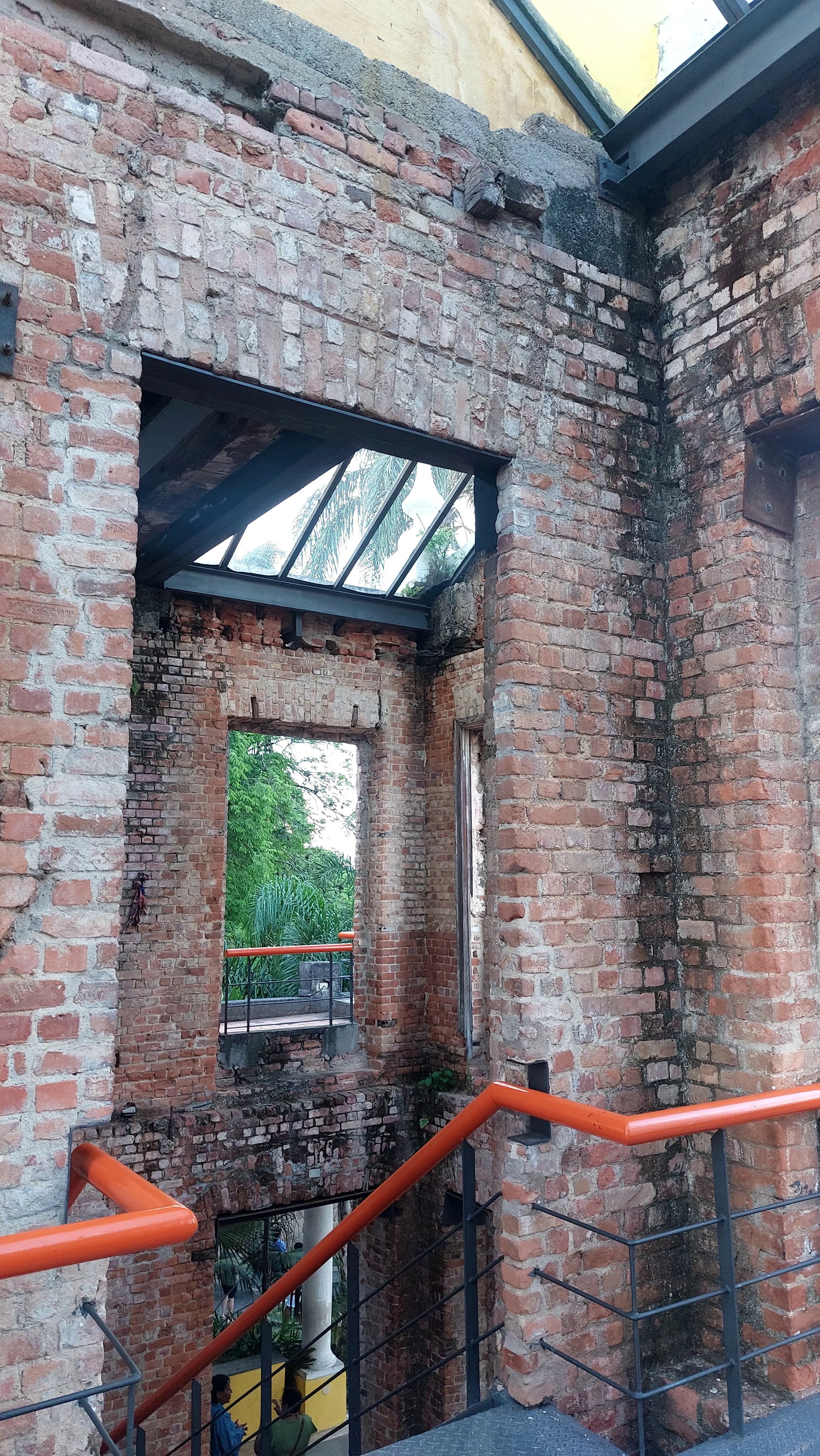
Parque das Ruínas is the standout stop: the ruins of a mansion turned into an open-air cultural space with a rooftop terrace looking out over Guanabara Bay and Downtown. Free entry, and worth timing for late afternoon light.
Museu Chácara do Céu, right next door, holds a small but excellent collection with Portinari, Matisse and Picasso inside a modernist house with great views from the garden.
Beyond the two anchor sights, Santa Teresa's real draw is its density of art studios and small galleries, many run out of the artists' own homes. There's no single must-visit address. Part of the fun is stumbling into one while walking.
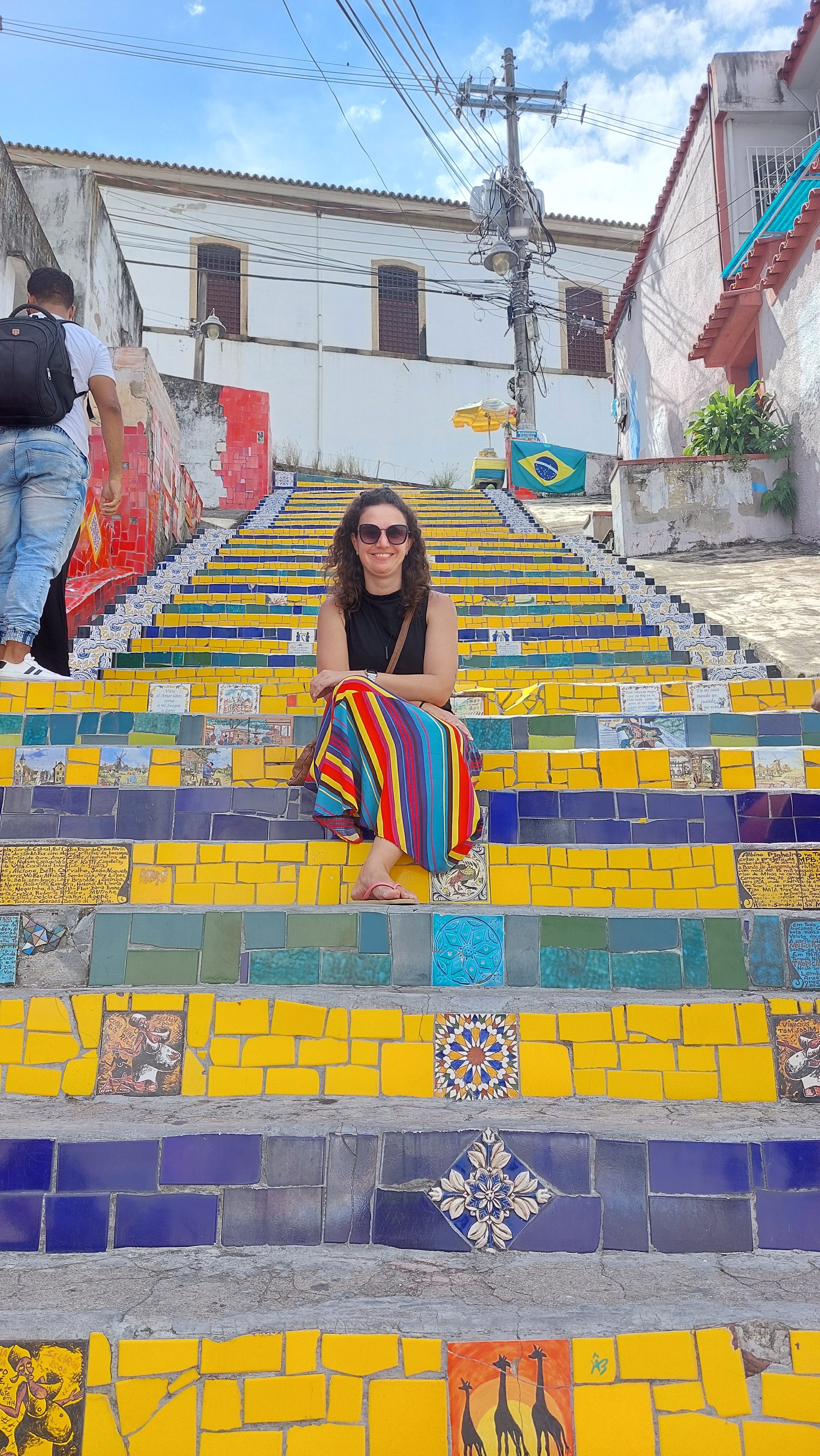
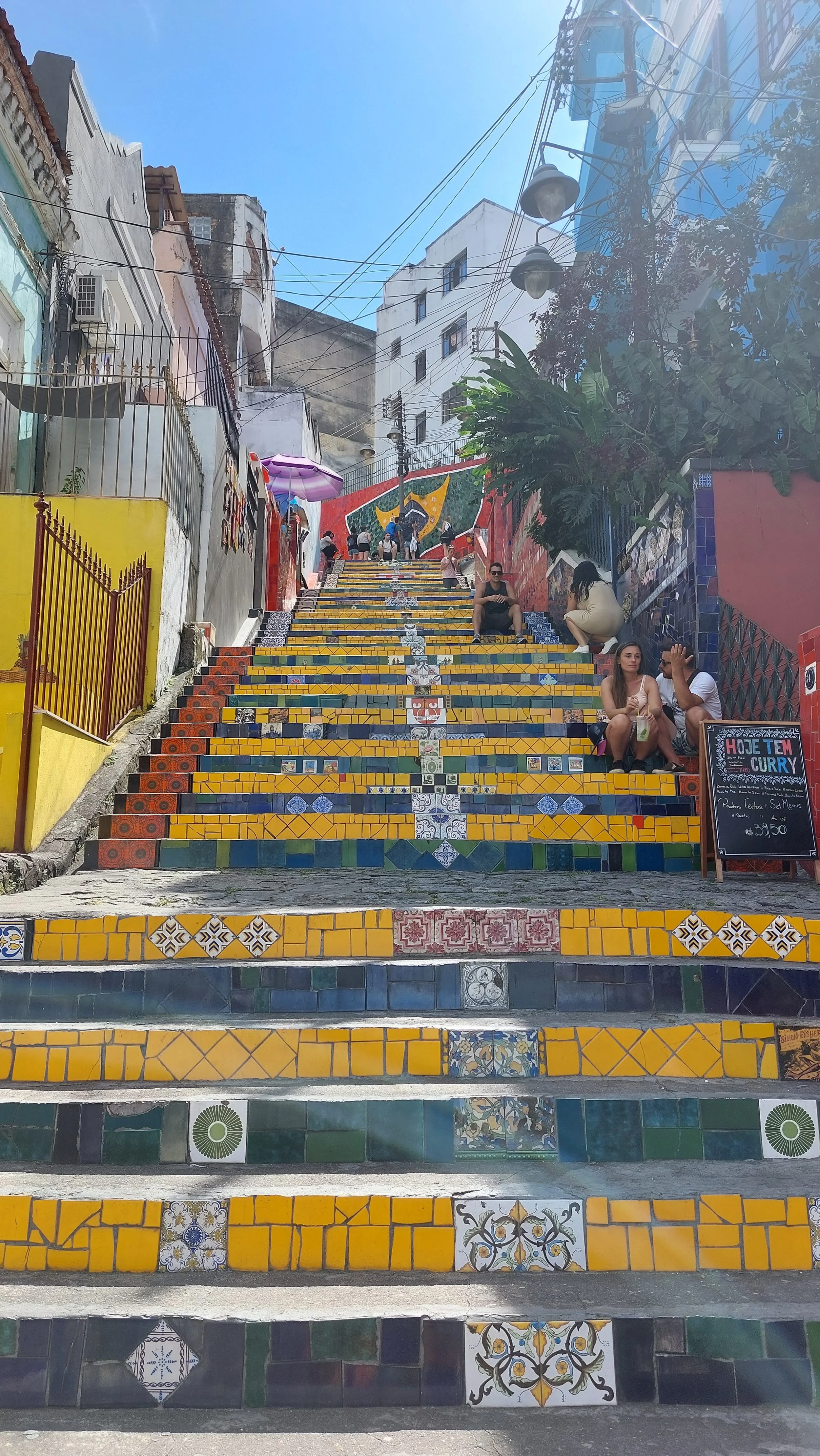
Just downhill, at the edge of the neighborhood toward Lapa, sits the Selarón Steps, the mosaic-covered staircase that's become one of Rio's most photographed spots. It's technically Lapa, not Santa Teresa, but the walk down connects the two naturally, and it's easy to fold into the same visit.
Gastronomy
Santa Teresa punches well above its size when it comes to food, and it's worth building real time into your visit around a meal or a drink, not just a quick stop between sights.
For a classic Rio institution, feijoadas, Bar do Mineiro and Portella Bar both serve some of the best in the city. For another institution that is a perfect match, Armazém São Joaquim has an extensive caipirinha menu with flavors well beyond the standard lime.
Café do Alto is my personal pick in the neighborhood, for breakfast or lunch. It’s covered in my guide to the best restaurants in Rio.
Tereze is worth it twice over: a fantastic breakfast and a dinner setting perfect for a special celebration. Aprazível, one of Santa Teresa's most iconic restaurants, is another favorite for its terrace. I cover it in more detail in my guide to Rio's most romantic restaurants.
For a full list of where to eat here, I'm working on a dedicated guide to the best restaurants in Santa Teresa. Stay tuned.
Samba in Santa Teresa
Santa Teresa is a great place to combine good food, sightseeing and samba and it comes with a bonus: the hilltop views that make the whole neighborhood special.
Samba dos Guimarães is the neighborhood's signature roda de samba, held every Saturday night from around 7 PM, with a different live samba group each week. It's touristy enough to have a cover charge, but the atmosphere and the view over the city more than make up for it.
Right across the square, Cadê Teresa Bar gets going earlier, with live samba starting around 3 PM on weekends, a good option if you want some early fun.
For the full picture of where to catch live samba across the city, check out my guide to where to see live samba in Rio.
Guided experiences
If you'd rather have someone else handle the planning, a guided tour is a great way to see Santa Teresa without worrying about routes, safety, or timing the tram.
I did an e-bike tour through Tijuca Forest and Santa Teresa and I couldn’t recommend it more. I wrote a detailed review of the experience.
If bike is not your thing, a walking tour is a good option. Book Santa Teresa tours.
Suggested itinerary to 1 day in Santa Teresa
If you want a simple way to string it all together, here's how I'd spend a day in Santa Teresa:
Arrive by tram and get off at Largo dos Guimarães. Start the day with breakfast at Café do Alto, you won’t regret. Then walk around, explore along Paschoal Carlos Magno and Almirante Alexandrino streets toward Largo do Curvelo, taking in the colonial houses and small shops along the way.
From there, visit Gloria Maria Park (Former Ruínas Park) and, if you have the time, Chácara do Céu right next door. Continue down the Ladeira de Santa Teresa to the top of the Selarón steps. This is the safest way to see the steps, since it's downhill and avoids the walk up from Lapa.
If you’d rather stay in Santa Teresa, see my dedicated guide with the best hotels.
FAQ
Is Santa Teresa safe?
Santa Teresa is generally safe during the day, especially around its main squares and tourist spots. Like anywhere in Rio, avoid wandering into quiet side streets alone, especially at night, and stick to Uber/taxi or the tram rather than walking up from Downtown or Lapa.
How do I get to Santa Teresa from Copacabana or Ipanema?
Take the metro to Carioca station, this guide explains the metro system, then catch the tram up to Santa Teresa or, for convenience or at night, go direct by Uber or taxi, taking about 25–35 minutes depending on traffic.
Is Santa Teresa worth visiting?
Yes, it's one of the most distinct neighborhoods in Rio, with colonial architecture, art studios, samba, and views you won't find at the beach. Even a half-day visit is worth building into your trip.
How long should I spend in Santa Teresa?
A morning or afternoon is enough to hit the highlights. If you want to catch a roda de samba or have dinner there too, plan for a full day or evening.
Is the Santa Teresa tram free?
No, a round-trip ticket costs R$20 ($4), with same-day reboarding included in both directions.

Written by Karina
Born and raised in Rio de Janeiro, Karina spent over a decade working in the tourism industry, with experience in some of the world's leading travel destinations. She created Going to Rio to bring that same standard of practical, traveler-first guidance to visitors exploring Rio de Janeiro. Learn more about Karina



Experience Christ the Redeemer like few visitors ever do. Discover the exclusive sunrise tour with early access, breakfast, and spectacular views over Guanabara Bay.