

What to do in Rio de Janeiro: The best experiences in the city
Rio de Janeiro is known around the world for its beaches and a handful of iconic sights, Christ the Redeemer chief among them. But that's not really the full picture.
Rio has way more to offer but figuring out what to do in Rio de Janeiro isn't as simple as ticking off a list of attractions, it's about finding the sides of the city that aren't always obvious for an urban destination, like an actual rainforest minutes from the beach.
My answer to what to do in Rio de Janeiro is always the same: a great trip needs a little bit of everything. Visit the iconic attractions, spend time at the beach, explore the rainforest, admire the city from above and from the water, try the local food, and experience the samba, football, and culture that make Rio unlike anywhere else.
You don't need to do everything. But get the right mix of experiences, and you'll leave understanding why so many people who visit Rio once end up coming back.

Few cities in the world have the ocean, forest, and mountains in the same frame.
What to do in Rio de Janeiro: at a glance
🌳 The nature around: Tijuca forest, parks and the green side of Rio
⛰️ Rio de Janeiro's mountains and peaks: adventure and views right next door
🏖️ Rio de Janeiro beaches: the beach culture from sunrise to sunset
⛵ Guanabara Bay: Rio de Janeiro seen from the water
🥁 Culture: food, samba, and football
🏘️ The neighborhoods that are an attraction themselves
The nature around: Tijuca Forest, parks and the green side of Rio
In most cities, you travel to reach nature. In Rio de Janeiro, you turn a corner. Tijuca Forest, one of the largest urban forests in the world, sits minutes from the beach, and Aterro do Flamengo, often cited as the world's largest waterfront urban park, runs right along Guanabara Bay.

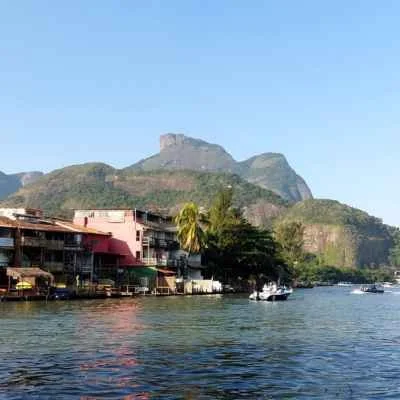
Hike to Pedra da Gávea
One of the most challenging and dramatic trails in the city, requiring a few hours through dense forest, with a short rock scramble near the top before you reach what's considered the world's largest coastal monolith. Go with a guide, both for safety and to skip the permit paperwork.
Hike to Pedra Bonita
Shorter and far more accessible than Gávea, about 40 minutes uphill on a clear trail, no climbing involved. At the top, you'll likely share the view with hang gliders taking off toward São Conrado, which makes it a good spot to watch the flight even if you don't book one yourself.
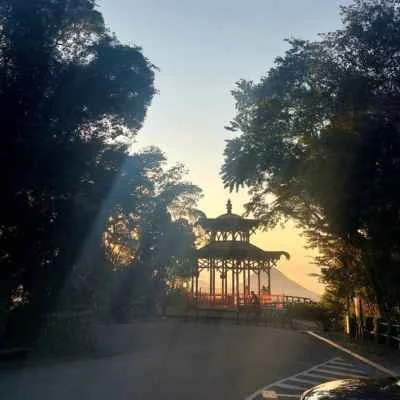
Vista Chinesa
Reachable by a short, mostly flat walk (or even by car), Vista Chinesa gets you sweeping views over the South Zone and Guanabara Bay without the effort of a real hike. It’s a great sunrise spot and a good option if you want the payoff without the trail.
Bike through Tijuca Forest
One of the locals' favorite ways of exploring the car-free roads up in the forest. If you're not fit but want to join, book a guided e-bike tour. I've done it and highly recommend it.
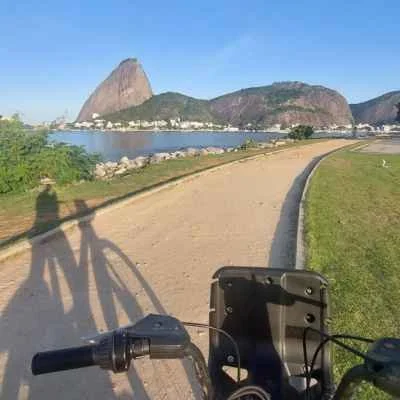
Aterro do Flamengo
Designed by Roberto Burle Marx, this green strip runs along Guanabara Bay from Santos Dumont Airport to Botafogo. Come for a walk or a bike ride, or just find a patch of grass and watch Rio go by. Joggers, picnics, weekend football games, and kite flyers all share the space. On Sundays and holidays, the roads close to cars and it turns into the city's biggest playground.
Rio de Janeiro's mountains and peaks: adventure and views right next door



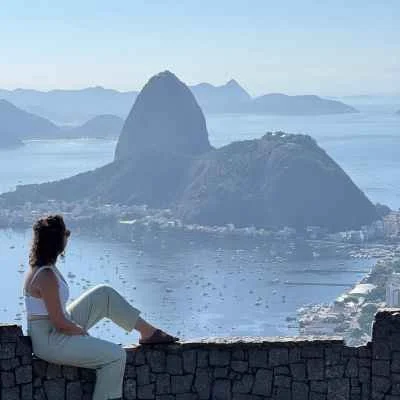
The view changes completely depending on where you're standing. And Rio has more high ground than just its two most famous peaks.
Sunrise at Mirante Dona Marta
Sugarloaf front and center, with Guanabara Bay spread out below. One of the most complete sunrise views in the city. For more details, check the sunrise in Rio guide.
Christ the Redeemer and Sugarloaf Mountain
Rio's two most iconic sights, and for good reason. My advice: don't book every attraction weeks in advance. Rio's weather changes fast and visiting Christ the Redeemer or Sugarloaf on a cloudy day means missing the view that makes the trip worth it. Keep flexibility and check the forecast: my Rio weather guide explains how to plan around it.
Tandem hang gliding from Pedra Bonita
Take off from the mountain, land on São Conrado Beach. Not for the faint of heart, but one of the most memorable ways to see the city.
Helicopter tour
Christ the Redeemer, Sugarloaf, Guanabara Bay, and the coastline from above, all in one flight. My guide on how to choose a safe, reputable helicopter tour company covers how these operators are regulated and what to check before you book.
Rio de Janeiro beaches: the beach culture from sunrise to sunset
Going to the beach is one of the best free things to do in Rio de Janeiro, but it's also where you see Carioca culture at its most spontaneous. Footvolley, vendors, groups sharing snacks and drinks, an ordinary afternoon turned into a social event. The beach also frames the two best hours of the day: the quiet before sunrise, and the ritual of sunset.
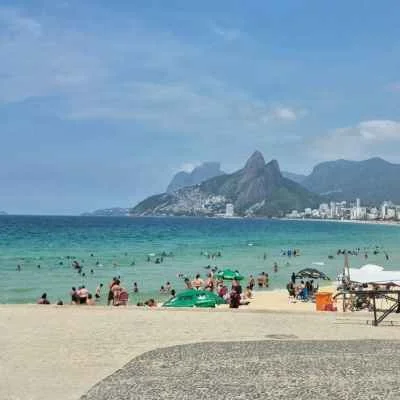


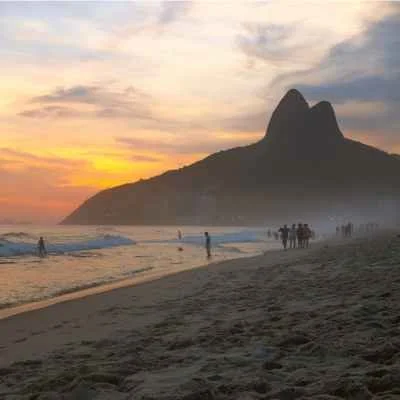
Sunrise stand-up paddle tour
Watching the sunrise from the water in Copacabana or Urca is a more memorable (and more adventurous) way to start the day. Best season: autumn and winter, when skies tend to be clearer. Full list of spots and planning tips in my best sunrise spots in Rio guide.
Beach culture at a posto
Rent a chair and umbrella, order a caipirinha or coconut water, and let the vendors come to you with grilled cheese, cold mate, biscoito Globo, all part of the experience. Full breakdown of postos and etiquette in my Rio beach culture guide. Heading straight to the beach after landing? Check my packing guide first.
Sunset at Arpoador
The rocks between Ipanema and Copacabana are Rio's most famous sunset spot and a crowd gathers every evening and applauds when the sun drops below the horizon. Arrive early to find a good rock to sit on. More spots on the sunset in Rio de Janeiro guide.
Guanabara Bay: Rio de Janeiro seen from the water
Rio is a city built around water, and Guanabara Bay is the frame that holds everything together.


Guanabara Bay boat tour
The skyline, the mountains, Christ the Redeemer in the distance, Sugarloaf rising from the water's edge, planes descending into Santos Dumont. All this even better during sunset.
Whale watching (June–August)
Humpback whales migrate along Rio's coast during winter. Full details on when to go and how to choose a tour in my whale watching guide.
Culture: food, samba, and football in Rio de Janeiro
Rio isn't a city defined by one iconic dish or a single stage for its music. Its culture plays out in botecos, street corners, and stadiums, and it's as much about where and how you experience it as what you're doing.
Long lunch at a braseiro
No restaurant feels more authentically Carioca than a braseiro, where locals gather for grilled meats, generous sides, and long, relaxed meals with family and friends. Fast, informal, and unmistakably local: a stool at a zigzag counter, the smell of charcoal, a cold draft beer. Not fine dining, and they don't try to be. This guide sets a braseiro apart from a churrascaria.
Cold beer at a boteco table
Cold beer, a few plates of petiscos, and a crowded table with no particular reason to leave quickly. My guide to the different types of restaurants in Rio explains deeply the city's dining scene.
A samba venue with dinner
For a more comfortable night: good food, a table, and some of the best samba in the city. There's live samba somewhere in Rio every day of the week and my guide to the best places to listen to samba in Rio organizes the options by day.
Carnival beyond the official dates
In the months leading up to Carnival, many schools open rehearsals to visitors. It’s a way to experience the music, dancing, and energy behind the parade before it reaches the Sambadrome.
Watch a local derby at Maracanã
Flamengo, Fluminense, or Vasco. Watching a match surrounded by thousands of local fans gives you a completely different perspective on the city. My guide to the NFL Rio game at Maracanã also covers stadium tours and how to get there by metro.
The neighborhoods that are an attraction themselves
Rio de Janeiro is often described through its famous landmarks and beaches, but much of the city's personality is found in the neighborhoods between them. You don't need to visit every one, choose a few that match your interests and give yourself enough time to explore beyond the attractions that brought you there.

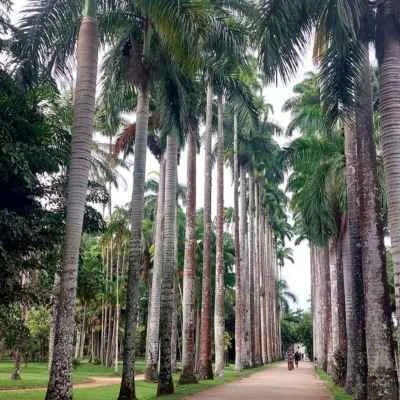


One day in Ipanema
Beach culture, walkable streets, barefoot elegance and a sunset back where you started. My full one-day Ipanema itinerary covers it hour by hour.
Santa Teresa
Cobblestone streets, colonial mansions, artist studios, and hilltop views, the one Rio neighborhood that isn't about the beach at all. My Santa Teresa guide covers what to do and how to get up there.
Leblon
Quieter and more residential than its neighbors, with Rua Dias Ferreira as its food heart. A one-day in Leblon guide covers all from attractions to best restaurants.
Lapa and Downtown
Nightlife, historic architecture, and the Arcos da Lapa aqueduct are best explored on foot, ideally paired with a Santa Teresa visit.
Plan the rest of your trip
Where to Stay in Rio de Janeiro
Which neighborhood to base yourself in, from Copacabana to Ipanema and beyond.
Rio de Janeiro's Tourist Attractions
The complete list of Rio's landmarks and sights, organized by category.
How Many Days Do You Need in Rio de Janeiro?
A day by day detailed itinerary for 5 days and how to make it work for 3, 4 or 7 days.
Rio de Janeiro in 2027
The city’s calendar month by month with the main events to help you plan your trip.
FAQ - What to do in Rio de Janeiro
What is the number one thing to do in Rio de Janeiro?
There's no single answer — a great Rio trip needs a mix of beach, iconic sights, nature, and culture. If you only have time for one thing, most first-time visitors prioritize Christ the Redeemer or Sugarloaf Mountain for the views.
What should first-time visitors not miss in Rio?
Christ the Redeemer, Sugarloaf Mountain, a full day at the beach, and at least one night with live samba. Beyond that, pick two or three experiences from this guide based on your interests.
Is Rio de Janeiro worth visiting?
Yes. Few cities combine beach, mountain, and rainforest so close together, alongside a culture built around music, food, and being outdoors.

Written by Karina
Born and raised in Rio de Janeiro, Karina spent over a decade working in the tourism industry, with experience in some of the world's leading travel destinations. She created Going to Rio to bring that same standard of practical, traveler-first guidance to visitors exploring Rio de Janeiro. Learn more about Karina

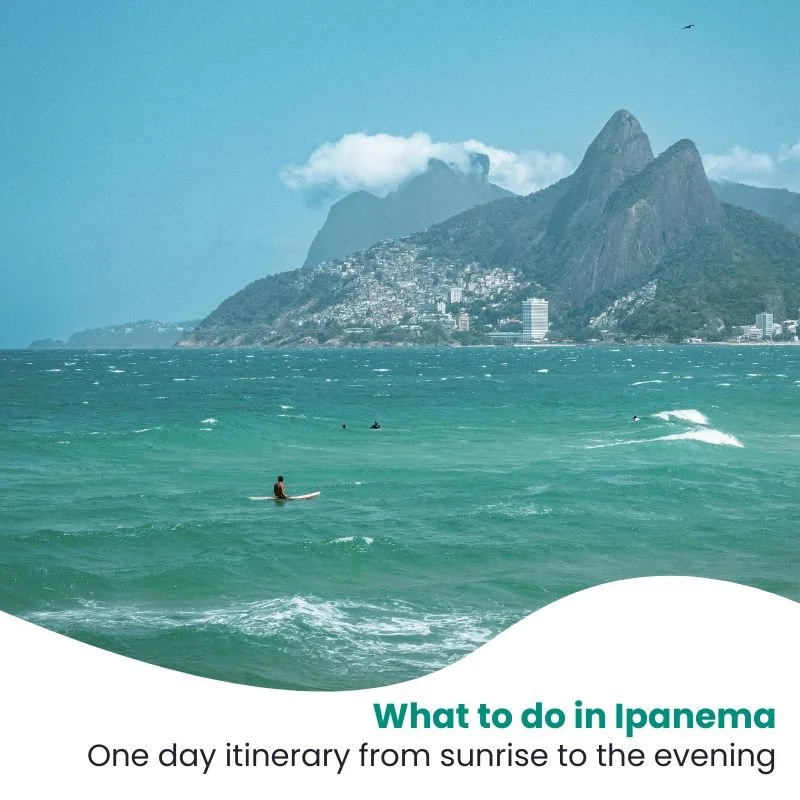

Different from other destinations, what to do in Rio de Janeiro isn't a list of attractions. Here's how to experience it.