


Rio de Janeiro is not a city with a long vegetarian tradition. Churrasco runs deep, and meat is central to the culture in ways that go beyond food. But the city has changed significantly in the last decade, and eating well as a vegan or vegetarian here is genuinely possible.
The key is knowing where to look. There are excellent dedicated vegan and vegetarian restaurants in Rio de Janeiro, across several neighborhoods, a kilo restaurant culture that is naturally plant-friendly, and a street food tradition full of options that were never meat-based to begin with. This guide covers all of it.
A quick note: I'm neither vegan nor vegetarian, so I haven't personally visited every restaurant on this list. The ones I haven't tried were recommended by vegan and vegetarian friends who eat at these places regularly, people whose judgment I trust. Where I have my own experience, I'll say so.
Vegan and vegetarias restaurants in Rio de Janeiro
Brota (Botafogo) The standout on any list of vegetarian restaurants in Rio. Chef Roberta Ciasca runs a kitchen that is entirely plant-based, in a charming mansion with a well-maintained garden. The food is creative and built around sharing: rice balls with pesto and olives, Thai curry with sesame farofa, dishes that feel genuinely considered rather than merely meat-free. One of the best vegetarian restaurants in Brazil.
📍Rua Conde de Irajá, 98, Botafogo
Teva (Ipanema) A few steps from Ipanema Beach, Teva is the most refined option on this list. Chef Daniel Biron's menu focuses on fresh, organic, and seasonal ingredients. Try the portobello carpaccio with caper dressing and vegan Parmesan, acarajé with peanut sauce and spicy palm hearts, Piamontese seitan cutlets with cashew cream and mushroom risotto. The menu is clearly labelled for allergies and intolerances. Don't skip dessert.
📍Av. Henrique Dumont, 110, Loja B, Ipanema
Só Verde (Botafogo) A casual, welcoming restaurant focused on comforting Brazilian food made entirely plant-based. The menu covers snacks and quick bites alongside full dishes — a vegan feijoada made with soya, a palm heart stroganoff with almond cream, and snacks like jackfruit coxinha and pastel for those eating on the go. Unpretentious and satisfying.
📍Rua General Polidoro, 69, Botafogo
Zui Sushi (Botafogo) A Japanese restaurant in Botafogo with a 100% vegan all-you-can-eat sushi buffet. The selection is extensive and the combinations creative, with a focus on fresh ingredients and careful preparation.
📍Rua General Polidoro, 185, Botafogo
Bardana Cozinha Natural (Copacabana) A well-regarded natural food restaurant close to the beach, operating in kilo style — you serve yourself from the buffet and pay by the weight of your plate. The cooking is clean and wholesome, with a wide range of vegetarian and vegan options. The location is convenient for visitors and it’s a reliable everyday choice for plant-based eating in Copacabana.
📍R. Souza Lima, 37 - Loja A, Copacabana
Refúgio Veg (Copacabana)A plant-based burger restaurant with a clear focus on comfort food that doesn't compromise on flavor. The menu centers on burgers alongside sides like maxi cheese sticks with chilli jam, onion rings, and breaded tofu with homemade tartar sauce. It recently started a pay-by-kilo buffet option for lunch. A good option after a morning on the beach, either if you are craving a burger or a salad.
📍Av. Nossa Senhora de Copacabana, 1313 - Loja B, Copacabana
Celeiro (Leblon) The most sophisticated healthy-eating kilo restaurant in Brazil. The menu changes daily and skews naturally toward lighter, plant-based dishes — you pay by weight and choose exactly what goes on your plate. Opens for lunch only, until 5pm. Closed Sundays.
📍 Rua Dias Ferreira, 199, Leblon
For more options in Leblon, check the best restaurants in Leblon guide.
Reino Vegetal (Centro) Located in a charming old house in the city centre, Reino Vegetal offers an all-you-can-eat buffet with dishes that change weekly. Special themed days rotate through regional and international cuisines. Most dishes are naturally gluten-free. A good choice for a varied and budget-friendly vegan lunch when exploring the historic centre.
📍 Rua Luis de Camões, 98, Centro
Rascal (multiple locations) A step up from a typical kilo, operating as a proper bufê with a more refined offering: salads, hot dishes, pasta, and desserts. Plenty of vegetarian options throughout, and multiple locations across the city make it a convenient choice wherever you're staying.
Other vegetarian options around Rio de Janeiro
Beach kiosks — Almost every beach kiosk in Rio serves açaí, queijo coalho (grilled cheese on a skewer), and fresh coconut water as standard. More refined kiosks, like La Carioca in Leblon, Tropik in Copacabana and MUSA in São Conrado, go further with salads, pokes, and fresh dishes alongside their ceviches, including good options for a plant-based beach lunch.
Churrascarias — Most rodízio churrascarias include a substantial buffet of salads, hot sides, and vegetable dishes. Vegetarians eating with a group won't go hungry, though a churrascaria is fundamentally a meat experience. Check our guide to the best churrascarias in Rio de Janeiro.
Botecos — Traditional corner bars serve aipim frito (fried cassava), pão de queijo, and other snacks that happen to be plant-based. Enough for a beer and something to eat without issue. Check our guide to the nightlife in Rio de Janeiro that has a full section about botecos.
Vegan street food in Rio de Janeiro
Some of Rio's most beloved street foods were never meat-based to begin with.
Açaí na tigela — Açaí bowls are a refreshing and nutritious treat made from frozen açaí berries, often blended with bananas or other fruits. Topped with granola, fresh fruits, and sometimes a drizzle of agave syrup, it’s a perfect vegan snack to beat the heat. Found at juice bars and beach vendors throughout the city. The best versions use real açaí without added sugar.
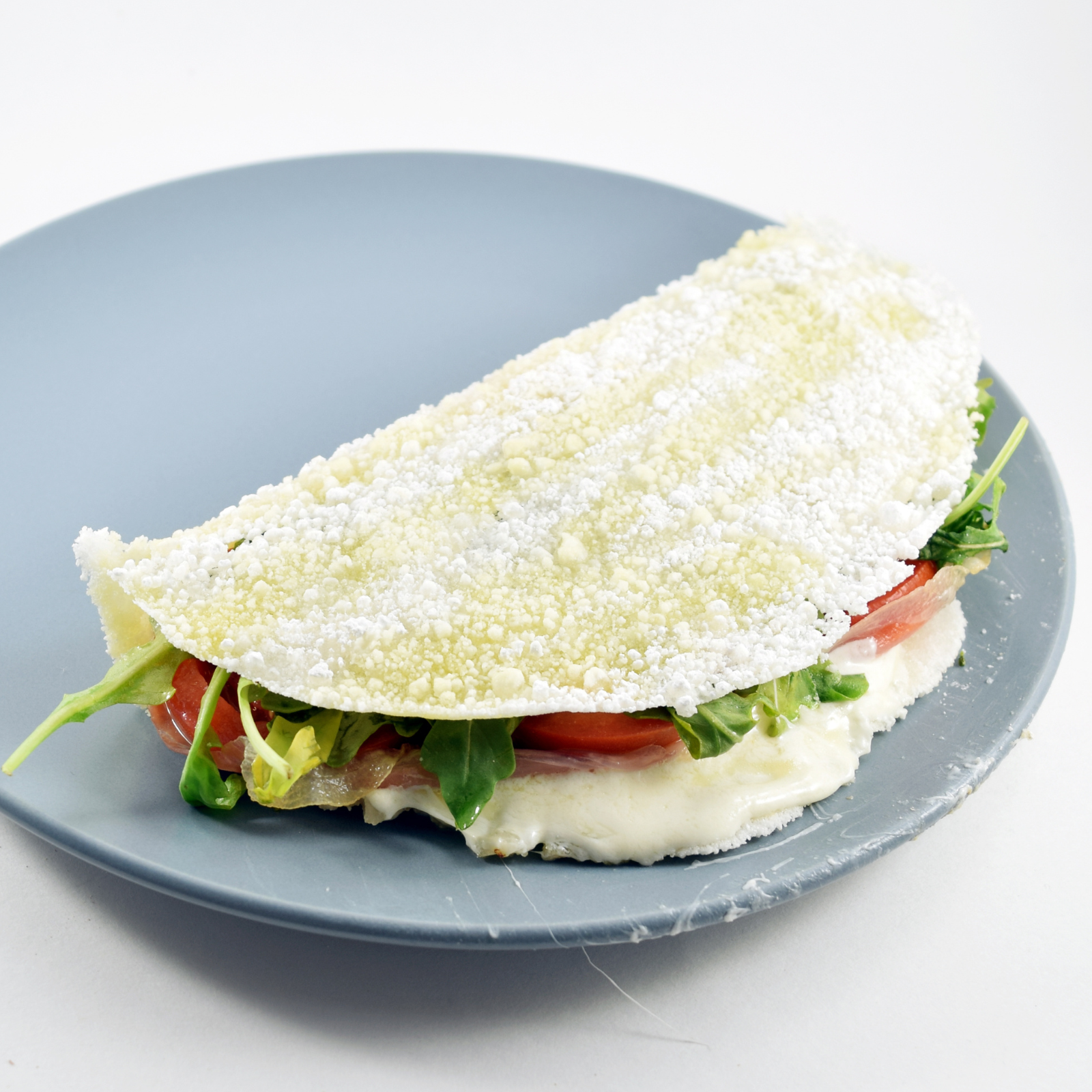
Tapioca — Tapioca crepes are made from tapioca flour and can be filled with a variety of vegan ingredients. Popular vegan fillings include coconut and banana, avocado and tomato, or vegan cheese and spinach. These gluten-free crepes are chewy and delicious. Available at street markets, beach kiosks, bakeries and many restaurants across the city.
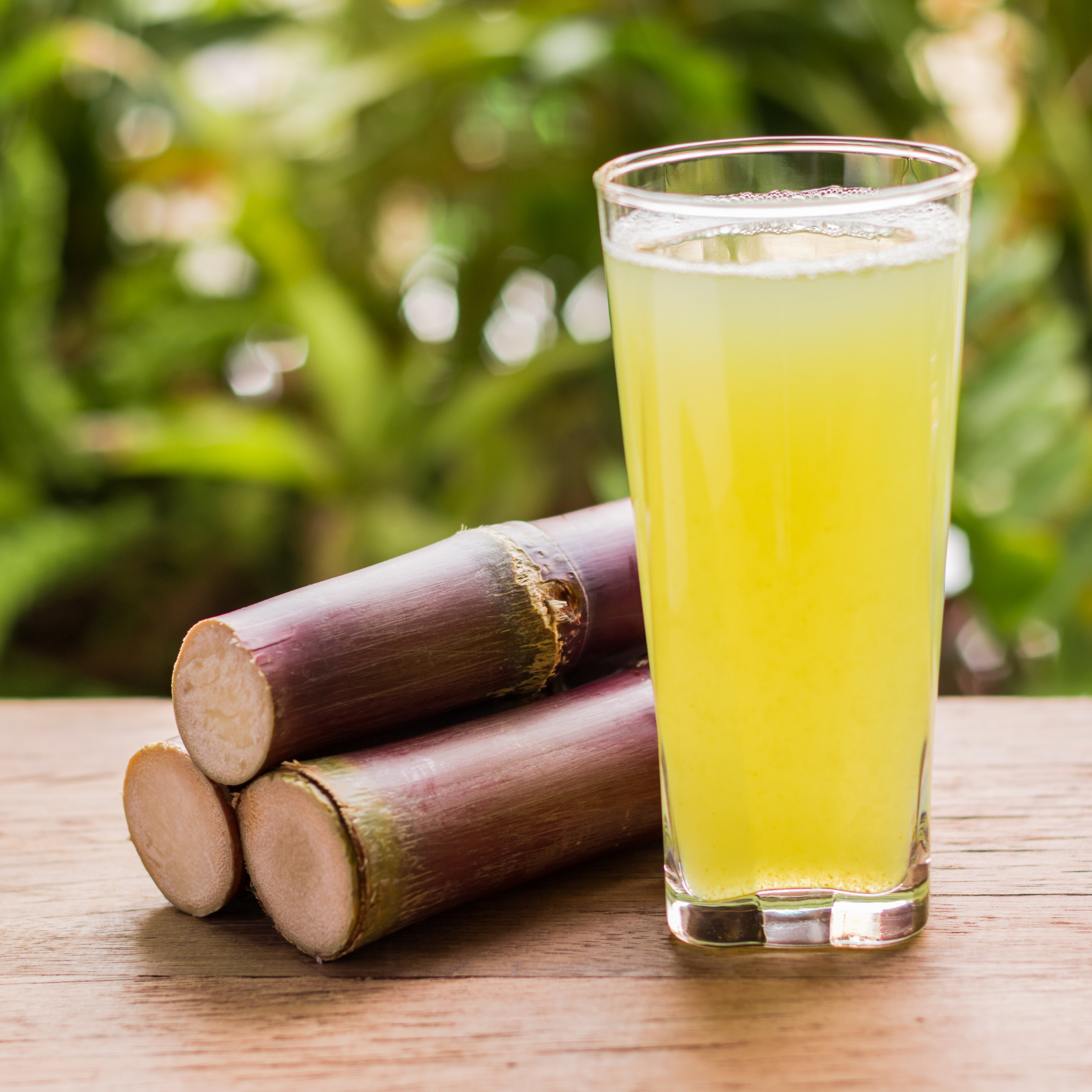
Caldo de cana — Sugarcane juice, is a refreshing and natural vegan beverage. The juice is extracted from fresh sugarcane stalks and served over ice. It’s a perfect way to stay hydrated and one of the most refreshing things you can drink in Rio's heat, and completely natural. Available at Juice stalls and street vendors throughout Rio.
Milho verde — Green corn, is a simple and tasty vegan street food. The corn is usually grilled or boiled and served with a sprinkle of salt. It’s a healthy and satisfying snack that’s perfect for enjoying while exploring the city. Easily found at beach vendors and open-air markets.
Bolinho de aipim — These cassava fritters are a vegan-friendly snack made from mashed cassava, herbs, and spices. They are deep-fried to a golden brown, creating a crispy exterior with a soft, flavorful inside. Sometimes stuffed with vegetables, they are a savory treat. Found at botecos and street stands.
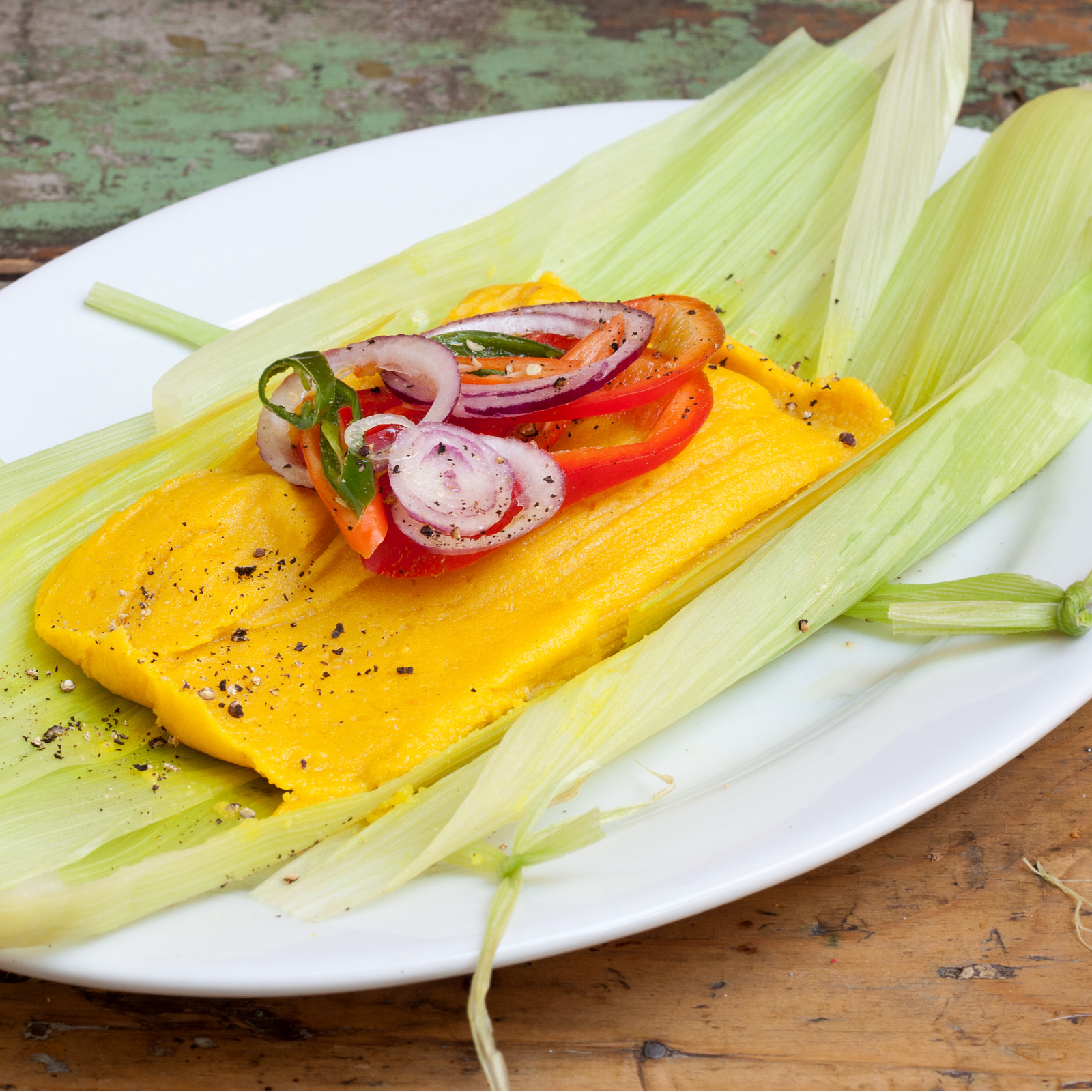
Pamonha — Traditional Brazilian dish made from fresh corn, grated and mixed with coconut milk, then wrapped in corn husks and boiled. Vegan versions omit any animal products, resulting in a sweet and creamy treat. More common at food fairs and traditional markets.
Eating vegan on the beaches in Rio de Janeiro
Rio's beach culture has its own food ecosystem, and much of it is naturally plant-friendly.
Beach vendors circulate constantly on Ipanema and Copacabana selling açaí, mate tea, fresh fruit, milho verde, tapioca, and the omnipresent Biscoito Globo, a Rio institution since 1953. These light, airy polvilho (tapioca starch) crackers come in small plastic bags in salted or sweet versions, entirely plant-based, and one of those things that tastes better with sand between your toes. All of these are plant-based by default and part of the full beach experience.
If you're planning a longer beach day, bringing food from a kilo restaurant is entirely normal carioca behavior, and Celeiro in Leblon is well positioned for exactly this.
Frequently asked questions
Is Rio de Janeiro vegan-friendly?
More than you might expect. Rio has dedicated vegan and vegetarian restaurants across several neighborhoods, a kilo buffet culture with plant-friendly options, and a street food tradition full of plant-based options. Eating well without meat is possible across all price points.
What is the best vegan restaurant in Rio de Janeiro?
Brota in Botafogo is the standout with an entirely plant-based kitchen with serious culinary credentials. For something more refined, Teva in Ipanema is the most polished option. For comfort food, Só Verde in Botafogo. For budget all-you-can-eat, Reino Vegetal in Centro.
Can vegetarians eat at a churrascaria in Rio?
Yes, with caveats. Most churrascaria rodízios include a buffet with salads and vegetable dishes. Vegetarians eating with a group won't go hungry, but there are far better options in the city if you're looking for a meal to genuinely enjoy.
What vegan food can I find on Rio's beaches?
Quite a lot. Beach vendors sell açaí bowls, tapioca, fresh fruit, milho verde, and mate tea, all plant-based. Kiosks like La Carioca and MUSA also serve salads and fresh dishes that work well for vegetarians.
Is Brazilian food generally vegetarian-friendly?
Brazilian cuisine has deep meat traditions but also a rich plant-based side: rice and beans, farofa, tapioca, açaí, fresh fruit, and cassava dishes are all staples. In Rio specifically, the kilo restaurant format makes it easy to eat a varied, plant-based lunch without seeking out a dedicated vegetarian restaurant.
Final tips for vegan travelers in Rio
Ask for ingredients: Not all vendors label vegan items, it’s worth confirming.
Use “sem leite” and “sem carne” to say “without milk” or “without meat.”
Carry snacks if you’re heading to less touristy areas.
Check out street markets food festivals, where pamonha, tapioca, and caldo de cana are often sold in their plant-based versions.
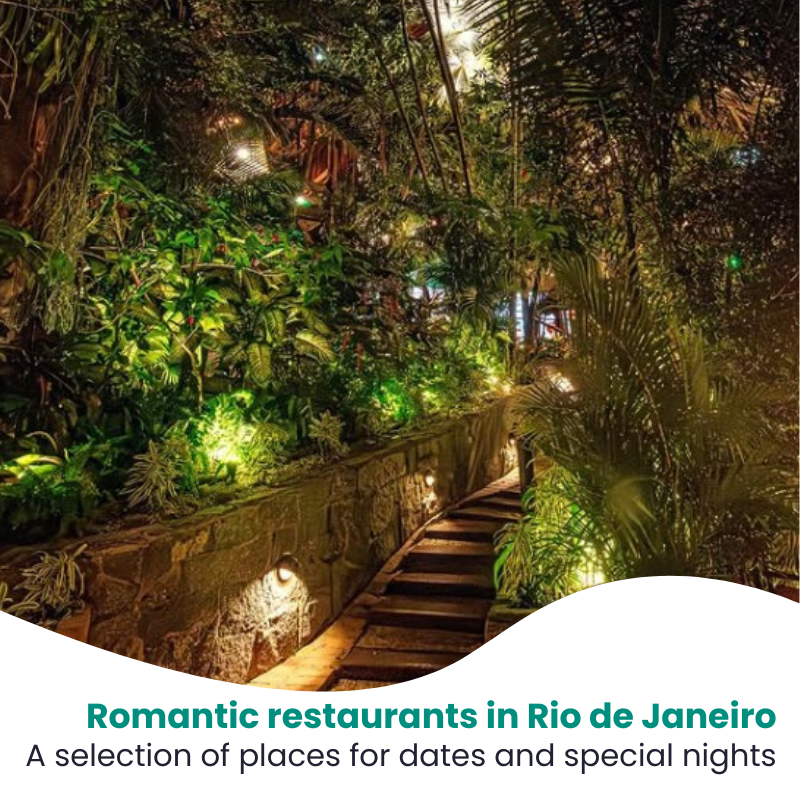


Upscale Leblon has way more than fine dining. Find braseiros, feijoada, botecos and the city's official Gastronomic Hub. Here's where locals actually eat.