

Best things to do in Rio de Janeiro: A local’s guide to experiencing the city
There are so many things to do in Rio de Janeiro that most visitors don’t know where to start, especially when experiencing the city goes far beyond checking off its famous attractions.
My answer is always the same: a great Rio trip needs a little bit of everything. See the iconic attractions, spend time at the beach, explore the rainforest, admire the city from above and from the water, try the local food, and experience the samba, football, and culture that make Rio unlike anywhere else.
You don’t need to do everything. But get the right mix of experiences, and you’ll leave understanding why so many people who visit Rio once end up coming back.
The best things to do in Rio de Janeiro at a glance
🌅 Watch the sunrise from a beach or viewpoint
🏖️ Experience Rio’s famous beach culture
✝️ Visit the iconic attractions at least once
🌳 Explore Tijuca Forest and Rio’s wild side
⛰️ See Rio de Janeiro from above
⛵ Experience Rio from the water
🥩 Discover Rio through its food and boteco culture
🥁 Experience samba, from live music to school rehearsals
⚽ Watch a football match at Maracanã
🏘️ Explore the neighborhoods that give Rio its personality



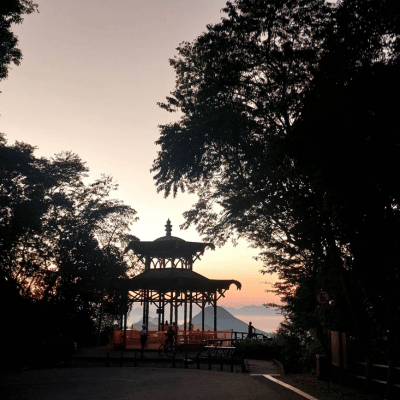
Watch the sunrise from a beach or viewpoint
Rio de Janeiro is famous for its sunsets, but in my opinion, waking up early to watch the sunrise is one of the best ways to experience the city.
This is one of my favorite things to do in Rio and one of the experiences I recommend most to visitors. Before the heat arrives and the beaches fill, Rio in the early morning has a stillness that's hard to find at any other hour.
The best spots each offer a different perspective. Mirante Dona Marta puts Sugarloaf front and center with Guanabara Bay spread below, while Copacabana Beach offers a long, open horizon and the option to go straight into the ocean as soon as the sun comes up.
The best time of year for sunrise in Rio is autumn and winter, when skies tend to be clearer and rain is less frequent. I have a full guide to the best sunrise spots in Rio with more places and everything you need to plan an early morning.
Feeling more adventurous? Watching the sunrise from the water on a stand-up paddle tour in Copacabana or Urca is an even more memorable way to start the day.

Sunrise at Copacabana beach
Experience Rio’s famous beach culture
Going to the beach is one of the best free things to do in Rio de Janeiro, but it is also much more than an inexpensive way to spend the day. The beach is where you can see Carioca culture at its most spontaneous.
Spend a few hours on the sand and you’ll see people playing footvolley, vendors walking by with everything from grilled cheese to cold mate, groups of friends sharing snacks and drinks, and Cariocas turning an ordinary afternoon into a social event.
You don’t need to bring much with you. Rent a chair and umbrella from one of the beach stands, order a caipirinha or coconut water, and try some of the snacks sold along the beach. It’s one of the easiest and most affordable ways to experience Rio like a local.
If it’s your first time visiting, my guide to Rio de Janeiro beach culture explains everything from choosing the right posto to what to eat, drink, wear, and expect on the sand.
And if you want to head straight to the beach after arriving in Rio, check my Rio de Janeiro packing guide. I included the things worth bringing from home and what you can easily buy once you get here.
Visit Rio de Janeiro’s iconic attractions at least once
Christ the Redeemer, Sugarloaf Mountain, the Selarón Steps, and other famous attractions are popular for a reason. Even if you prefer exploring less touristy places, I think Rio’s iconic sights deserve a place in your itinerary, especially on a first visit.
My advice, however, is not to book every attraction weeks in advance. Rio de Janeiro’s weather can change quickly, and visiting places like Christ the Redeemer on a cloudy day can mean missing the views that make these places so spectacular.
Whenever possible, keep some flexibility in your itinerary and check the weather forecast before deciding which days to visit Rio’s major outdoor attractions. In my guide to Rio de Janeiro weather, I explain why planning around the forecast can make a big difference to your trip.
Most visitors only hear about the same handful of attractions, but Rio has far more to see than Christ the Redeemer and Sugarloaf Mountain. My complete guide to Rio de Janeiro’s tourist attractions brings together famous landmarks and places you may not even know exist, organized by category so you can explore your options and choose what actually fits your interests and the time you have available.
Explore Tijuca Forest and Rio’s wild side
In most cities, you travel to reach nature. In Rio, you turn a corner. Tijuca Forest, one of the largest urban forests in the world, sits minutes from the beach, and the transition from city to forest happens faster than feels possible.
If you visit Christ the Redeemer by train, you’ll pass through it. But a deeper immersion is worth planning separately.
There are several ways to explore the forest, depending on how adventurous you want to be. You can cycle along its winding roads on a guided e-bike tour, cover more ground on an open jeep tour, or hike to waterfalls, caves, and viewpoints. Vista Chinesa offers sweeping views over the South Zone and Guanabara Bay without requiring a long hike.
For the more adventurous, Rio has hundreds of scenic trails. Pedra da Gávea is one of the most challenging and dramatic, while Pedra Bonita offers a shorter and more accessible hike with views of São Conrado and the hang gliders launching from its peak.
The argument for spending time in the forest is simple: very few cities in the world offer anything like this.

Bike is one of the best ways to explore Tijuca Forest
See Rio de Janeiro from above
No visit to Rio is complete without seeing the city from above. The combination of mountains, ocean, forest, and bay means the view changes completely depending on where you’re standing.
Christ the Redeemer and Sugarloaf Mountain are the obvious choices, and each offers a completely different perspective. From Corcovado, you get a panoramic view of the city spreading between the mountains and the ocean, while Sugarloaf puts Guanabara Bay and Rio’s skyline at the center of the experience.
But viewpoints are only the beginning. For something more adventurous, you can take off from Pedra Bonita on a tandem hang-gliding flight and land on São Conrado Beach, or see Christ the Redeemer, Sugarloaf, Guanabara Bay, and the coastline from a helicopter.
Whether you prefer a classic viewpoint or something more adventurous, seeing Rio from above is one experience I wouldn’t skip.
Experience Rio de Janeiro from the water
Rio is a city built around water, and Guanabara Bay is the frame that holds everything together. From Aterro do Flamengo to the beaches of Urca, you’re always aware of it. But to truly understand why the bay is essential to Rio, you need to see the city from the water.
A boat tour through Guanabara Bay offers one of the most complete views of Rio you can get: the skyline, the mountains, Christ the Redeemer in the distance, Sugarloaf rising from the water’s edge, and planes descending into Santos Dumont Airport.
It’s a city that was made to be seen from this angle. I cover boat tours and other ways to experience Rio from the water in my guide to unique experiences in Rio beyond the tourist trail.
Between June and August, the same waters become a whale-watching destination as humpback whales migrate along Rio’s coast. If you’re visiting during the season, my complete guide to whale watching in Rio de Janeiro explains when to go, what to expect, and how to choose a tour.

Discover Rio de Janeiro through its food and boteco culture
Rio de Janeiro isn’t a city defined by one iconic dish. Its food culture is a collection of experiences that reflect the city’s casual, social, and informal lifestyle.
Spend a long lunch sharing grilled meat at a traditional braseiro, order feijoada on a Friday, or sit at a boteco table with a cold beer and a few plates of petiscos. Visit a street market for pastel and sugarcane juice, and don’t leave the beach without trying at least one of the snacks sold by the vendors walking along the sand.
The point isn’t to work your way through a checklist of Brazilian dishes. Food in Rio is as much about where, when, and how you eat as what you order. Some of the best experiences happen around a crowded table, with plates meant to be shared and no particular reason to leave quickly.
Want to explore Rio through its food? My guide to the different types of restaurants in Rio explains the city’s dining scene, from traditional braseiros and botecos to churrascarias and other local favorites, and helps you decide which experiences deserve a place in your trip.
Experience samba, from live music to school rehearsals
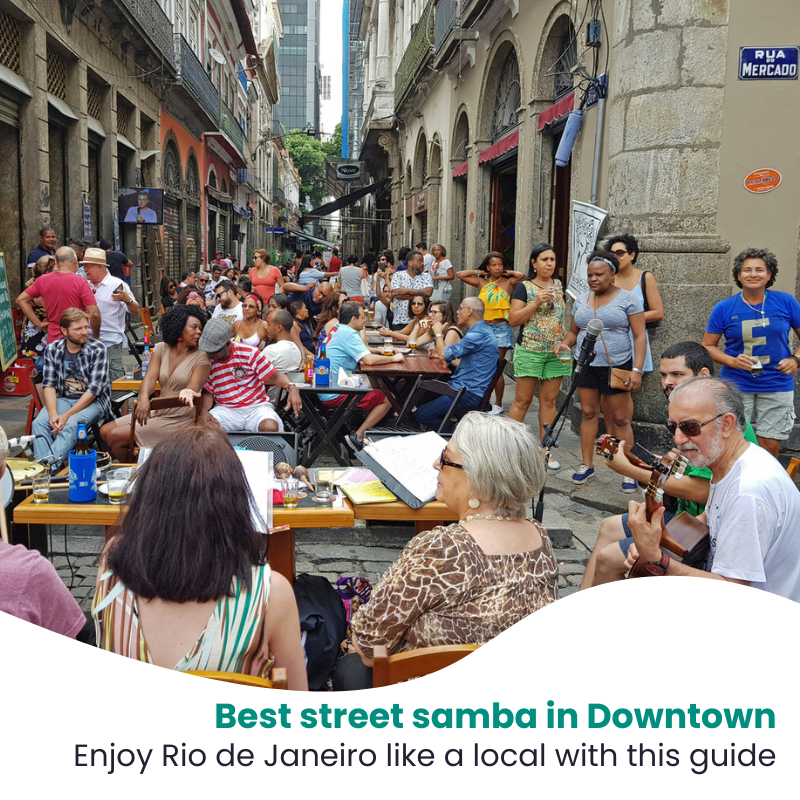
Samba in Rio isn’t confined to one neighborhood or type of venue. You can find small groups playing at beach kiosks, dedicated samba venues across the city, lively nights in Lapa, and historic places like Pedra do Sal, where the music is inseparable from Rio’s history.
There are also places where you can listen to samba with more comfort, good food, and some of the best views in the city. The experience can be as informal as standing outside with a drink in your hand or as relaxed as spending the evening at a table overlooking Guanabara Bay.
The best part is that you don’t need to plan your trip around a specific night. There is live samba somewhere in Rio de Janeiro every day of the week, and my guide to the best places to listen to samba in Rio organizes the options by day, making it easy to find something that fits your itinerary.
Samba school rehearsals offer something completely different. In the months leading up to Carnival, many schools hold events where visitors can experience the music, dancing, and energy behind the parade before it reaches the Sambadrome.
Watch a football match at Maracanã
Football is part of everyday life in Rio, and watching a match at Maracanã is one of the best ways to experience the passion Cariocas have for the sport.
Home to some of the most memorable moments in Brazilian football history, Maracanã is worth visiting even if you’re not a football fan. You can take a stadium tour to see the locker rooms, press room, pitch, and exhibitions dedicated to Brazilian football, but nothing compares to experiencing the stadium on match day.
Watching Flamengo or Fluminense play surrounded by thousands of local fans gives you a completely different perspective on the city and its culture. The chants, flags, and atmosphere begin long before kickoff, turning the match into much more than a sporting event.
My guide to the NFL Rio game at Maracanã also includes practical information for anyone planning a visit to the stadium, including how to get there by metro, what to expect from the stadium tour, and options for watching a football match during your trip.
Explore the neighborhoods that give Rio its personality
Rio de Janeiro is often described through its famous landmarks and beaches, but much of the city’s personality is found in the neighborhoods between them.
Spend an afternoon walking through Santa Teresa, explore the historic streets of the city center, stop for a drink in Urca, experience the nightlife of Lapa, or simply walk through Ipanema and Leblon without a list of attractions to check off.
Each neighborhood offers a different version of Rio. Some are known for their beaches, others for nightlife, history, architecture, food, or simply the rhythm of everyday life. Exploring them is also one of the best ways to discover the small places and unexpected moments that rarely make it into a traditional sightseeing itinerary.
You don’t need to visit every neighborhood or cross the city from one end to the other. Choose a few that match your interests and give yourself enough time to explore beyond the attractions that brought you there.
Looking for more ways to explore Rio de Janeiro?
My guide to unique things to do in Rio brings together experiences and places that can help you discover a different side of the city.


Rio de Janeiro's best luxury experiences and restaurants, from a doors-off helicopter flight to Michelin tasting menus, picked by a Carioca who knows the city.